
Brent Crude Drops to $79 as Details of Impending Hormuz Shipping Deal Emerge
Key Facts
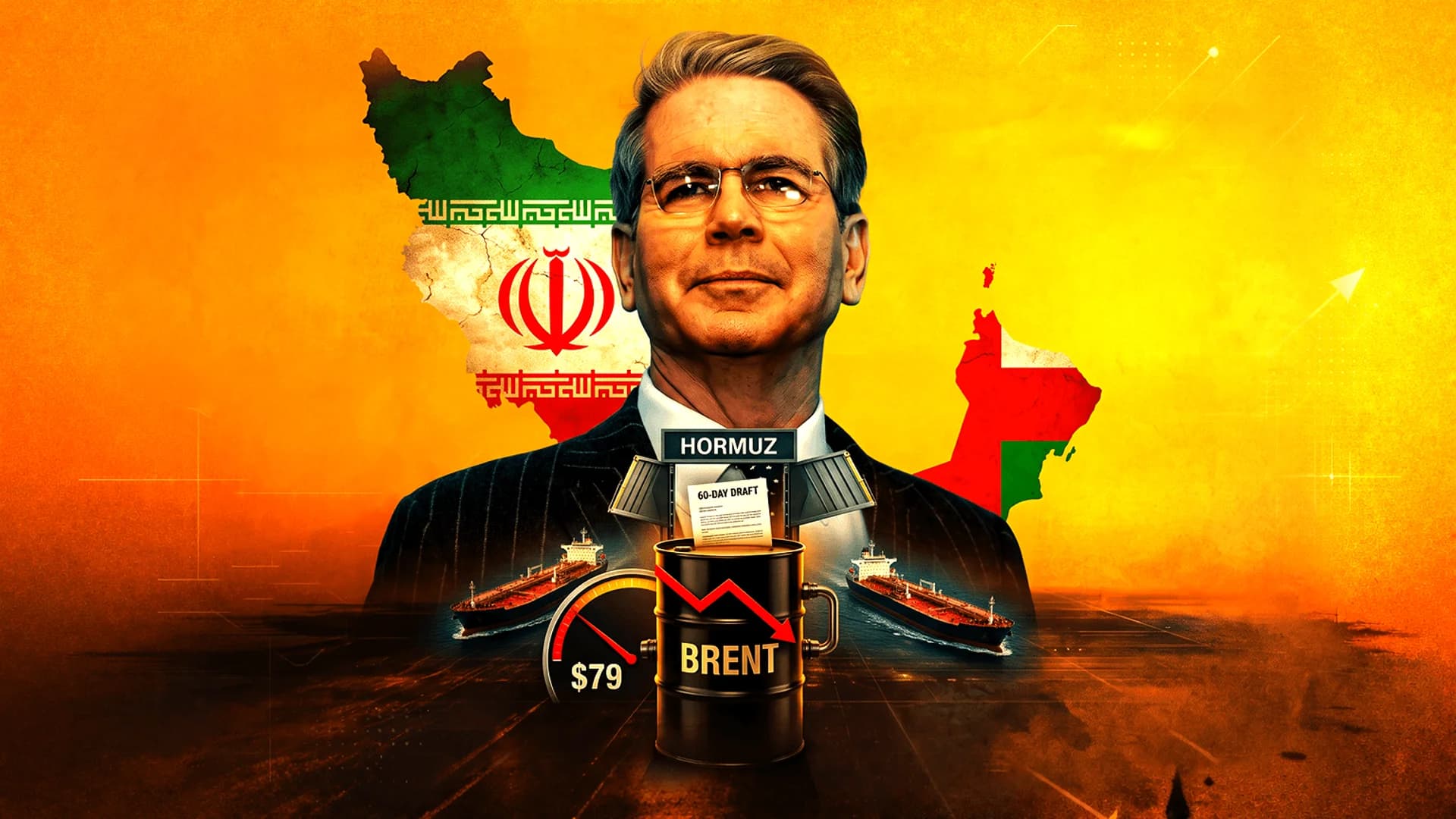
In a move reflecting the energy market's extreme sensitivity to geopolitical shifts, Brent crude futures dropped to $79 per barrel. This sharp decline follows reports of an imminent trilateral agreement between the United States, Iran, and Oman to reopen the Strait of Hormuz. According to reports, the proposed deal establishes a shipping route through Iranian and Omani waters for a 60-day trial period featuring no transit fees, significantly easing concerns over global supply disruptions.
Leaked details of the negotiations reveal ongoing disputes regarding future transit fees once the trial ends; Iran is reportedly demanding a 7% fee with exemptions for Russia and China, while the U.S. has proposed a 5% rate. These developments coincide with existing supply-side pressures, including a 2.7 million barrel increase in US crude inventories reported by the API and preliminary data showing OPEC production rose by 1.16 million barrels per day in July.
Regarding official data, the EIA Weekly Petroleum Report on July 29, 2026, showed a substantial draw of -7.167 million barrels, contrasting with private sector estimates. With Brent priced at $79 per barrel (close of July 29, 2026), market participants are now monitoring the formalization of the maritime deal alongside macroeconomic signals from the Federal Reserve, which maintained interest rates at 3.75% in its latest July 29 session.
Latest Updates · 2
- Major·
Update: Regional officials report that a draft agreement to reopen the Strait of Hormuz via specific controlled waters has been finalized and awaits approval from Iran's supreme leader. President Donald Trump further noted that an official announcement regarding the deal could be made as early as Wednesday or Thursday.
- Notable·
Update: President Trump has identified Wednesday as a potential date for finalizing the Hormuz deal, providing the market with a specific timeline for the diplomatic breakthrough. Analysts suggest that this progress could spill over into the forex market, potentially driving the EUR/USD pair higher as geopolitical risk premiums subside.