
Oil Prices Retreat as Trump Cancels Iran Strike and Calls for Negotiations
Key Facts
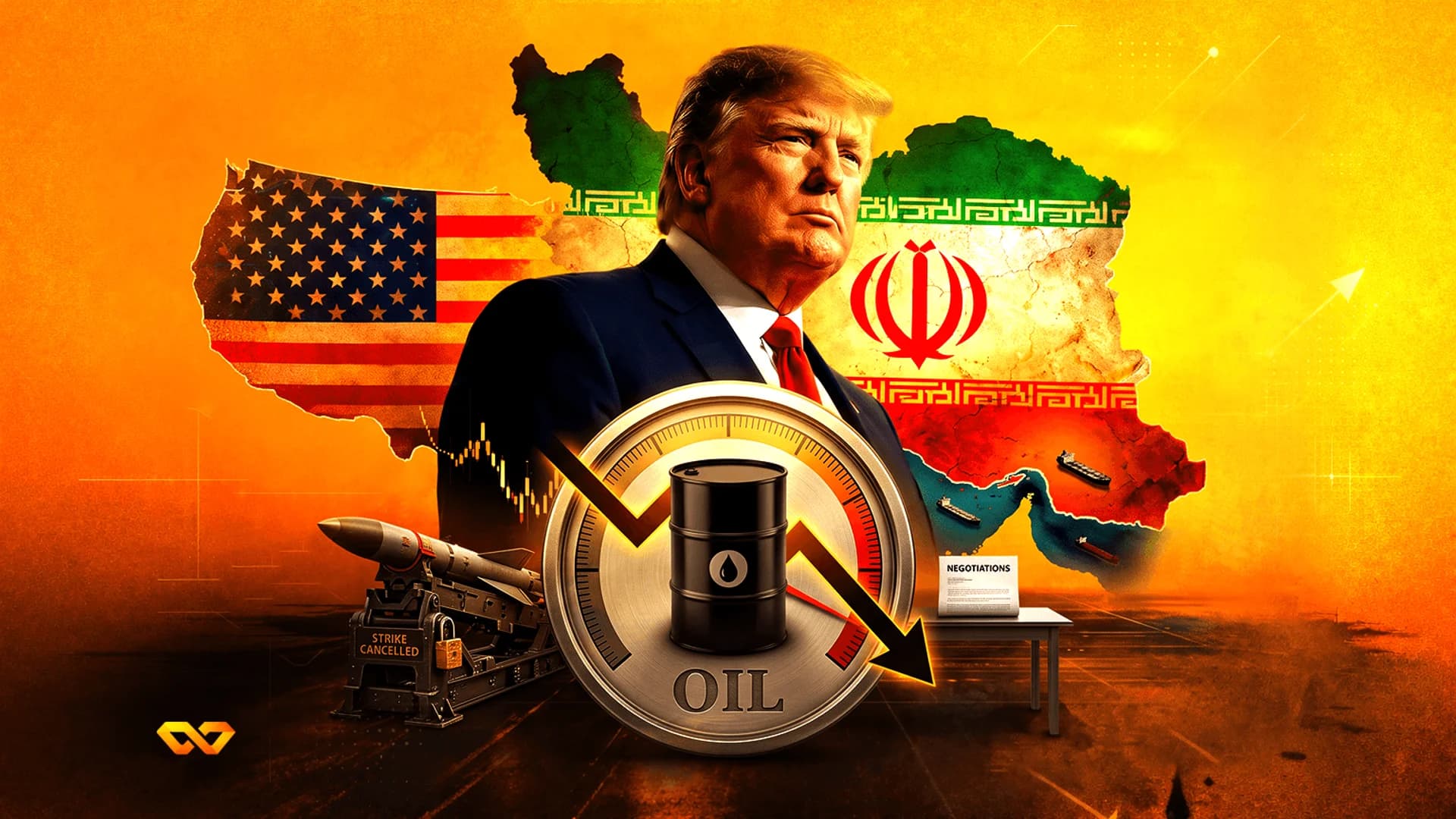
In a sudden shift in geopolitical dynamics, oil prices declined sharply following President Donald Trump's announcement that he cancelled a planned military strike against Iran. Trump expressed his intention to resume negotiations with Tehran, easing global energy supply concerns that had spiked after a tanker was struck by an unidentified projectile in the Strait of Hormuz. According to reports, this pivot toward de-escalation calmed markets that had been bracing for an imminent military confrontation in the region.
The easing of tensions immediately boosted risk appetite in financial markets, driving increased demand for US technology stocks. Per market data, this reversal occurred after oil prices had surged past the $80 per barrel threshold, subsequently retreating as the geopolitical risk premium faded. Meanwhile, Asian markets displayed mixed reactions to the news, with Japan's Nikkei 225 remaining under pressure while South Korea's KOSPI reacted to the shifting narrative.
Traders are now monitoring the viability of the new diplomatic path and its impact on shipping security in the Strait of Hormuz following 22 days of sustained tension. Looking ahead, focus remains on the upcoming EIA Weekly Petroleum Report to assess US inventory levels, especially after the API reported a stock change of 3.296 million barrels, which will provide clarity on market fundamentals beyond the immediate political headlines.
Latest Updates · 3
- Notable·
Update: The de-escalation narrative has expanded to include optimism over a potential US-Iran draft agreement mediated by Qatar, keeping Brent crude prices near the $80 per barrel mark. Simultaneously, President Trump has shifted focus to domestic energy costs, criticizing major firms like ExxonMobil and Chevron for high Q2 earnings and demanding lower retail fuel prices.
- Notable·
Update: New developments in the diplomatic track have emerged as Qatar indicated ongoing talks for a potential short-term deal between the U.S. and Iran. This Qatari mediation strengthens the prospects for de-escalation, providing a more concrete diplomatic path for markets monitoring energy supply stability.
- Notable·
Update: Qatar has confirmed the drafting of an agreement aimed at ending the escalation, which is currently being circulated between Washington and Tehran as part of regional mediation efforts. Reports indicate that the U.S. has shown increased flexibility regarding its maritime security demands, bolstering hopes for a lasting diplomatic resolution that could further reduce risk premiums in energy markets.