
Oil Prices Rebound as Iran Denies US Talks Amid New Shipping Attacks
Key Facts
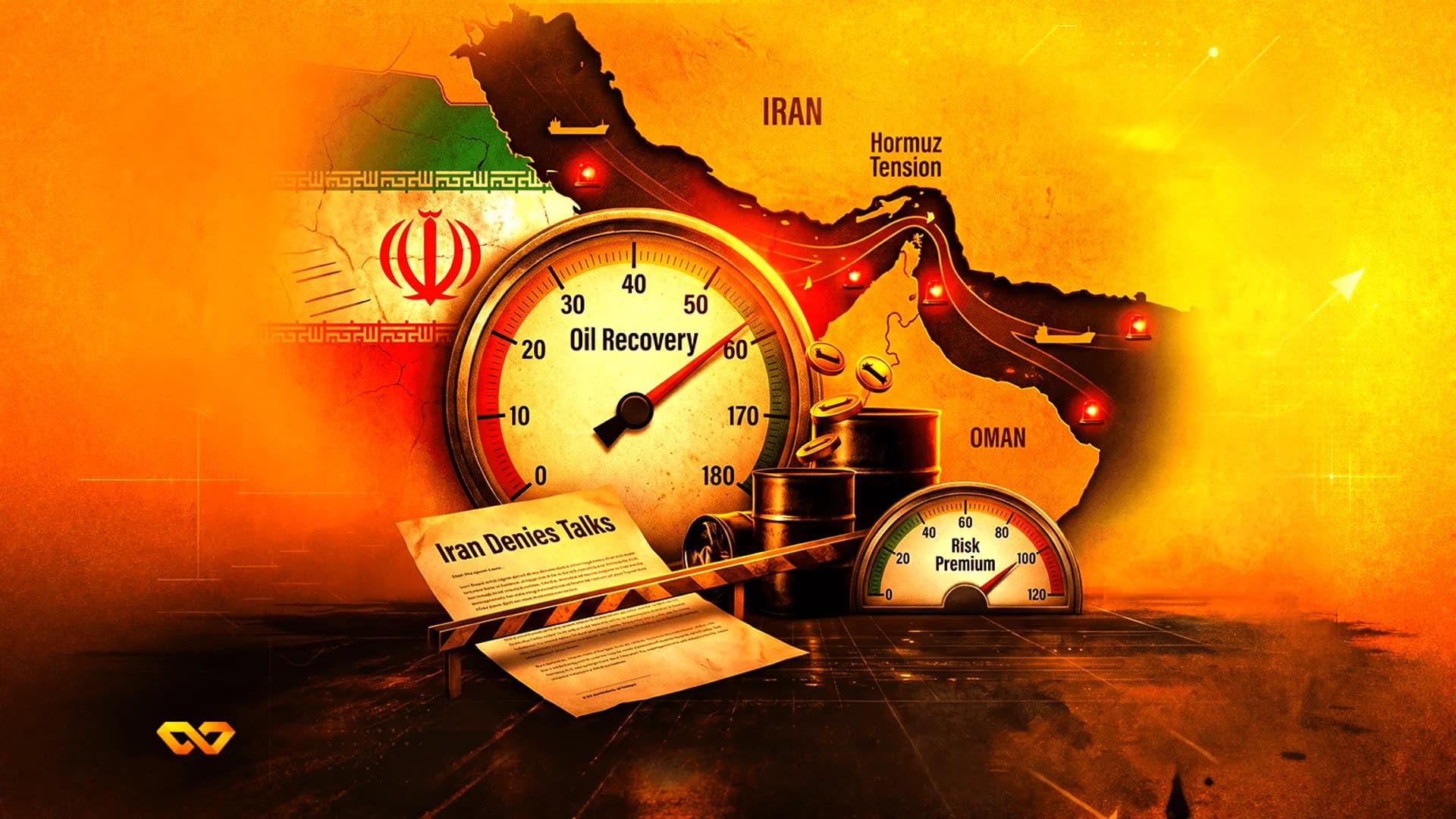
Amid heightened geopolitical uncertainty in the Gulf, oil prices rebounded to recover a portion of their recent losses. According to reports, Brent crude rose 1.3% to reach $84.89 a barrel, supported by fading expectations of a diplomatic breakthrough. Tehran officially denied that any negotiations with Washington were underway, directly contradicting earlier claims by President Trump that talks had commenced.
This diplomatic friction coincided with escalating physical risks to global energy security, as another vessel was reportedly struck near the strategic Strait of Hormuz. Such maritime incidents are forcing traders to re-evaluate the geopolitical risk premium, especially as tensions persist in vital shipping lanes. Per market data, these developments halted the significant sell-off seen in the previous session, reflecting market anxiety over potential physical supply disruptions.
Looking ahead, investors are closely monitoring inventory data to gauge underlying demand strength. Based on data as of August 4, 2026, the most recent API report showed a crude stock build of 3.296 million barrels, while the EIA report from July 29 recorded a substantial draw of 7.167 million barrels. Future price action will likely be driven by further escalations in the Strait of Hormuz or upcoming macroeconomic data impacting global growth forecasts.