
BP Q2 Profits More Than Double, Surpassing Analyst Estimates
Key Facts
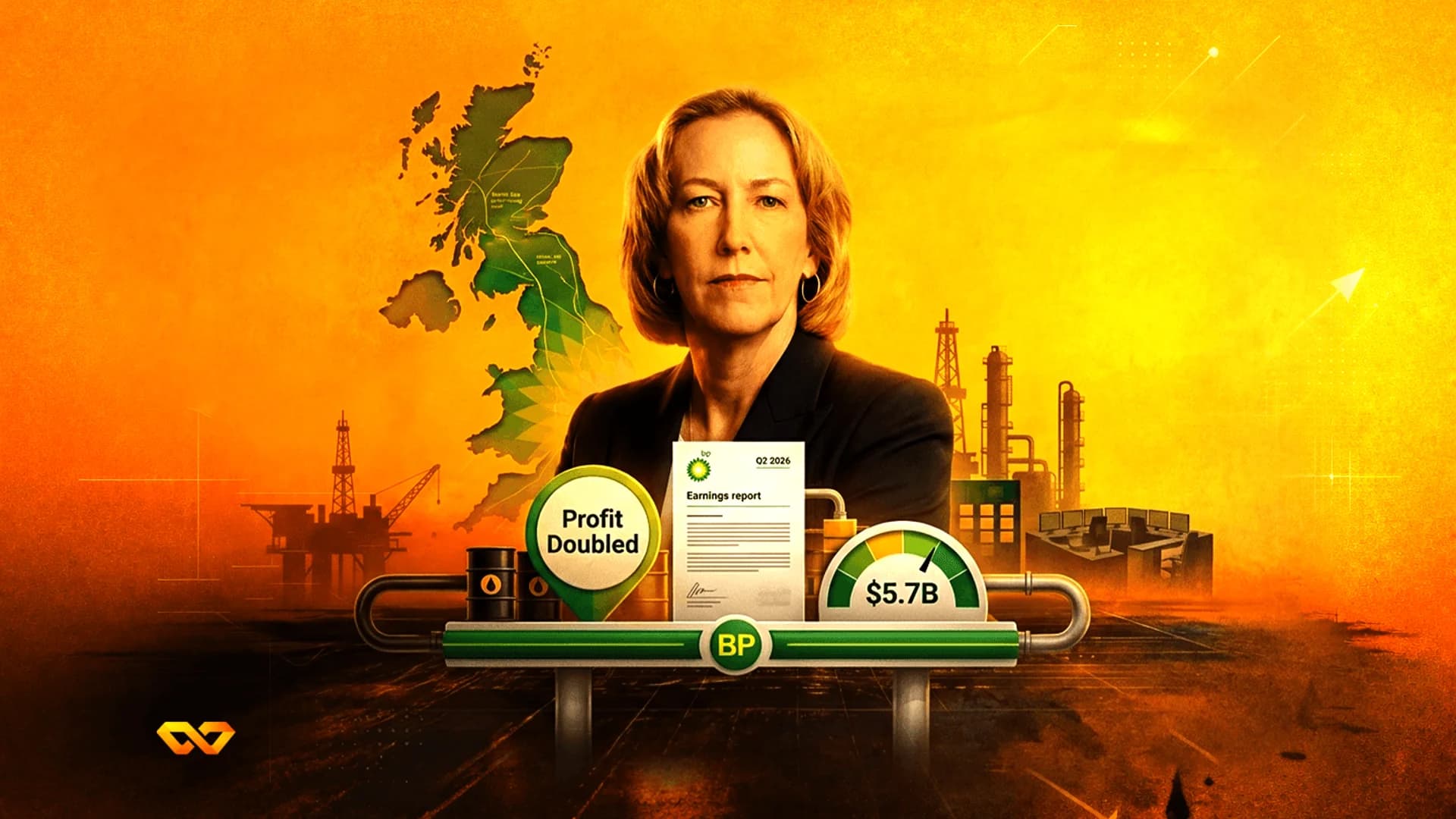
Amid a period of robust performance in the global energy sector, BP has announced exceptional financial results for the second quarter of 2026. According to company reports, BP delivered an underlying replacement cost profit of $5.73 billion, more than doubling its earnings from the previous year. These strong results significantly exceeded analyst expectations gathered in a company-provided poll, reflecting high operational efficiency within current market conditions.
The substantial profit surge was driven by favorable market dynamics, although the scale of these earnings has drawn political criticism regarding big oil profitability. Per analyst insights, this year-over-year growth strengthens the company's sector positioning, especially as global energy price volatility continues to impact operational profit margins.
Looking ahead, investors are monitoring the outcomes of the OPEC meeting held on July 28, 2026, which may influence future production strategies. Recent market data showed an API crude oil stock change increase of 3.296 million barrels, a factor that could impact energy price trends in the coming period, while BP stock levels remain subject to ongoing market valuations.
Latest Updates · 8
- Notable·
Update: BP CEO Meg O'Neill has confirmed strong interest from several potential buyers in the company's North Sea business, signaling possible strategic divestments. Management emphasized that the North Sea basin still holds untapped oil and gas potential, which could bolster the valuation of these assets if sale negotiations proceed.
- Notable·
Update: In a notable strategic shift, BP plans to sell its biogas firm Archaea just two years after its acquisition, as part of a move to refocus on its core oil and gas business. This decision follows days after the company confirmed its exit from North Sea operations, signaling a pivot in investment priorities away from green energy initiatives.
- Notable·
Update: As part of its current strategy, BP is looking to market its North Sea assets, a move that could reshape its production portfolio. Simultaneously, markets are monitoring reports of resumed talks between the US and Iran, which may have significant implications for global oil supply and market balance.
- Notable·
Update: Subsequent reports indicate that BP's profit growth reached 144%, surpassing Wall Street consensus. Analysts attributed this record surge to the spike in global energy prices driven by escalating geopolitical tensions and the conflict in Iran.
- Notable·
Update: In a strategic move to reshape its portfolio, BP is planning to sell its US biogas business in a deal valued at approximately $4 billion. Furthermore, the company's chief executive confirmed receiving multiple approaches for its North Sea assets, signaling a shift toward asset monetization alongside its record-breaking profit performance.
- Notable·
Update: In a strategic development, BP CEO Meg O'Neill stated that the UK should prioritize sourcing oil and gas from the North Sea. Meanwhile, leadership has discussed the potential sale of North Sea assets, a move occurring against the backdrop of the ongoing Hormuz crisis and its impact on global energy security.
- Notable·
Update: Additional details revealed that stronger refining margins were a key driver of profit growth, helping to offset several operational headwinds. The second quarter saw lower production levels and an increase in exploration write-offs, factors that partially moderated the overall financial gains.
- Notable·
Update: Analyst reports indicate that BP's oil-trading unit was a primary driver of the profit surge, successfully capitalizing on energy market turbulence fueled by geopolitical conflicts in the Middle East. The trading division's performance significantly bolstered profit margins during this period of heightened global market volatility.