
German Inflation Rises to 2.8% Pressuring ECB for September Rate Hike
Key Facts
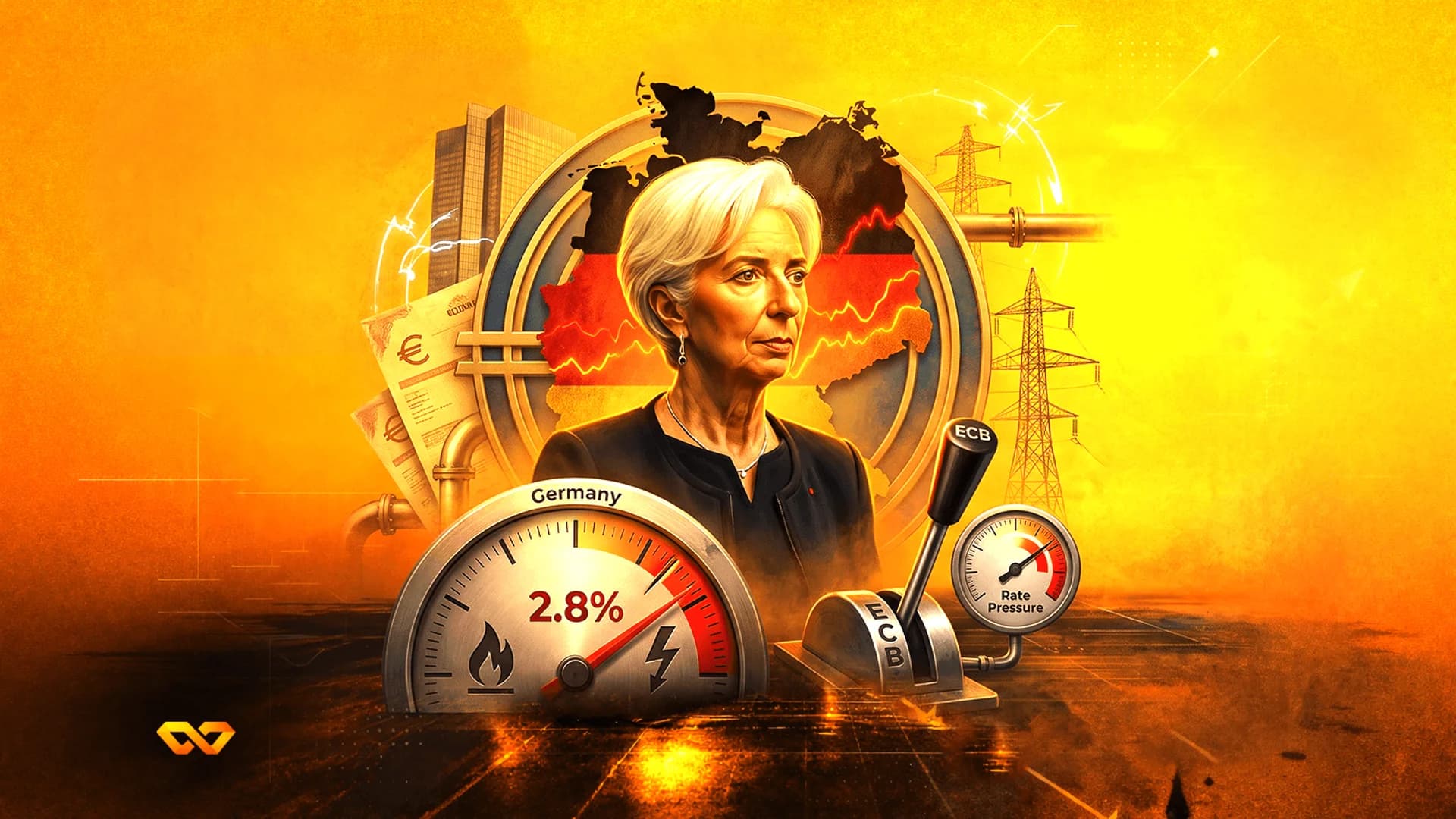
Amid escalating concerns over persistent price pressures, German headline inflation rose in July following the expiration of the government's fuel tax rebate. According to reports, the annual inflation rate climbed to 2.8% from 2.3% in June, primarily driven by higher energy costs as subsidies ended. This development increases the probability that the European Central Bank (ECB) will utilize the strengthening data to justify a potential interest rate hike during its September meeting.
While energy prices surged, market data indicates that other sectors showed deflationary signs, with prices for clothing and shoes dropping in July compared to June. Analysts note that the current environment differs from the 2022 inflation wave, as consumers' willingness and ability to absorb higher prices has diminished. Per market data from July 24, 2026, German Consumer Confidence remains deeply negative at -29.6, reflecting the ongoing strain on households.
Investors should watch for headline inflation potentially moving above 3% in the coming months before a projected cooling next year. A key catalyst to monitor is the upcoming Ifo Business Climate index release on July 27, 2026, which will provide critical insight into how German industry is responding to renewed inflationary pressures and its impact on the broader Eurozone outlook.