
US Senate Advances Sweeping Sanctions Bill Against Russia and Iran
Key Facts
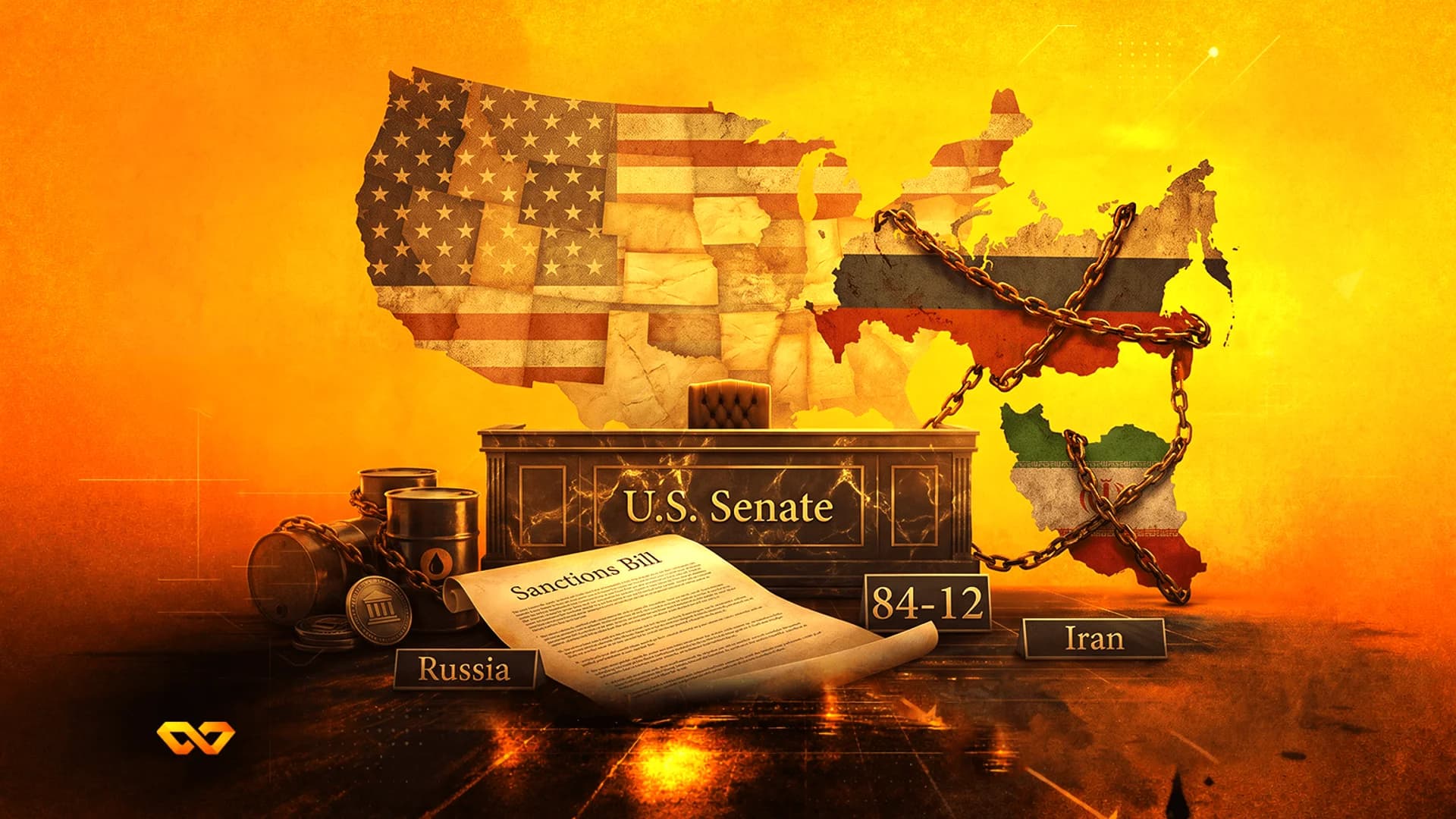
Amid escalating geopolitical tensions in global energy markets, US lawmakers have moved to impose new financial restrictions that could reshape crude oil flows. The US Senate voted 86-12 to advance legislation aimed at tightening economic pressure on Russia and Iran. This move followed a personal appeal from Ukrainian President Zelenskyy and seeks to increase the economic costs of the Russian war by targeting financial institutions, political elites, and the so-called 'shadow fleet' used to evade existing restrictions.
The step reflects a rare bipartisan consensus in Washington to strengthen sanctions against major energy producers, which typically disrupts supply chains and increases geopolitical risk premiums in oil markets. The legislation includes authorization for tariffs of up to 200% on the world's largest purchasers of Russian oil and gas, specifically focusing on eliminating the financial engine of the military campaign. Per market data, these developments occur as energy reports, such as the EIA Weekly Petroleum Report from July 22, 2026, show fluctuations in US inventories, heightening price sensitivity to foreign policy decisions.
Looking ahead, traders are closely monitoring the reactions of major economic powers and the impact of these sanctions on global supply stability. Notably, pending monetary policy decisions, such as the European Central Bank's interest rate decision, may intersect with these geopolitical pressures to dictate near-term market trends.