
Iran Proposes Enhanced Control Over Strait of Hormuz Transit
Key Facts
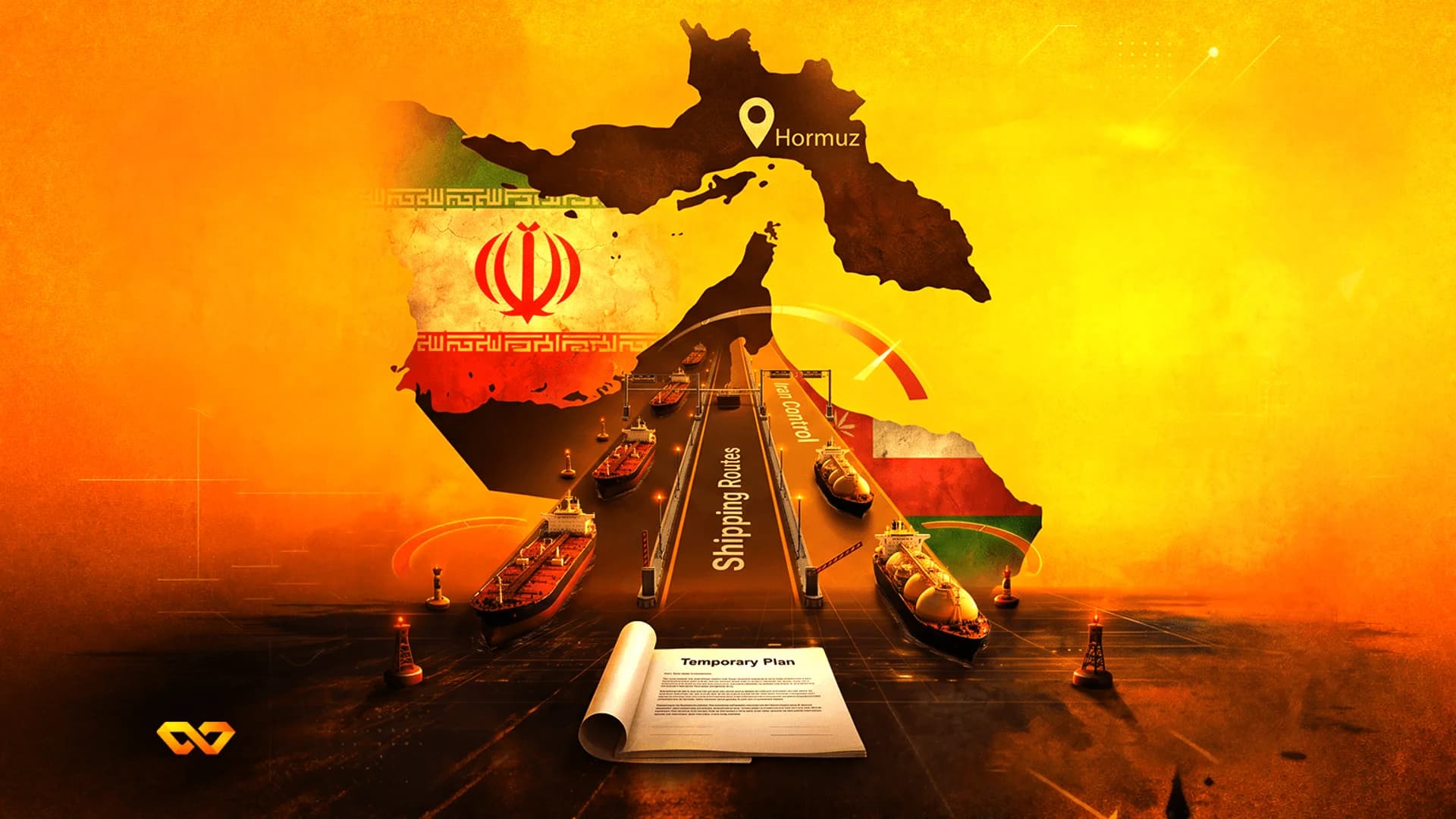
Amid escalating geopolitical tensions in one of the world's most critical energy chokepoints, new developments have emerged that could impact the stability of oil supplies. Iran has introduced a proposal for a temporary arrangement that would grant it enhanced authority over maritime transit routes in the Strait of Hormuz. The move appears aimed at consolidating Iranian oversight of the strategic waterway, which could serve as leverage in regional security and energy negotiations.
This proposal comes at a sensitive time for global energy markets, as heightened geopolitical risk in a critical chokepoint typically triggers market volatility and risk-off sentiment. Per market data, the EIA Weekly Petroleum Report released on July 22, 2026, showed an increase in U.S. inventories by 2.011 million barrels, placing any potential disruption to supply routes under intense scrutiny by traders.
The focus remains on how these plans might influence maritime shipping costs and insurance premiums in the region, especially as geopolitical risks continue to shape market sentiment in the near term.