
Trump Vows Retaliation Against Iran Following Deaths of US Troops
Key Facts
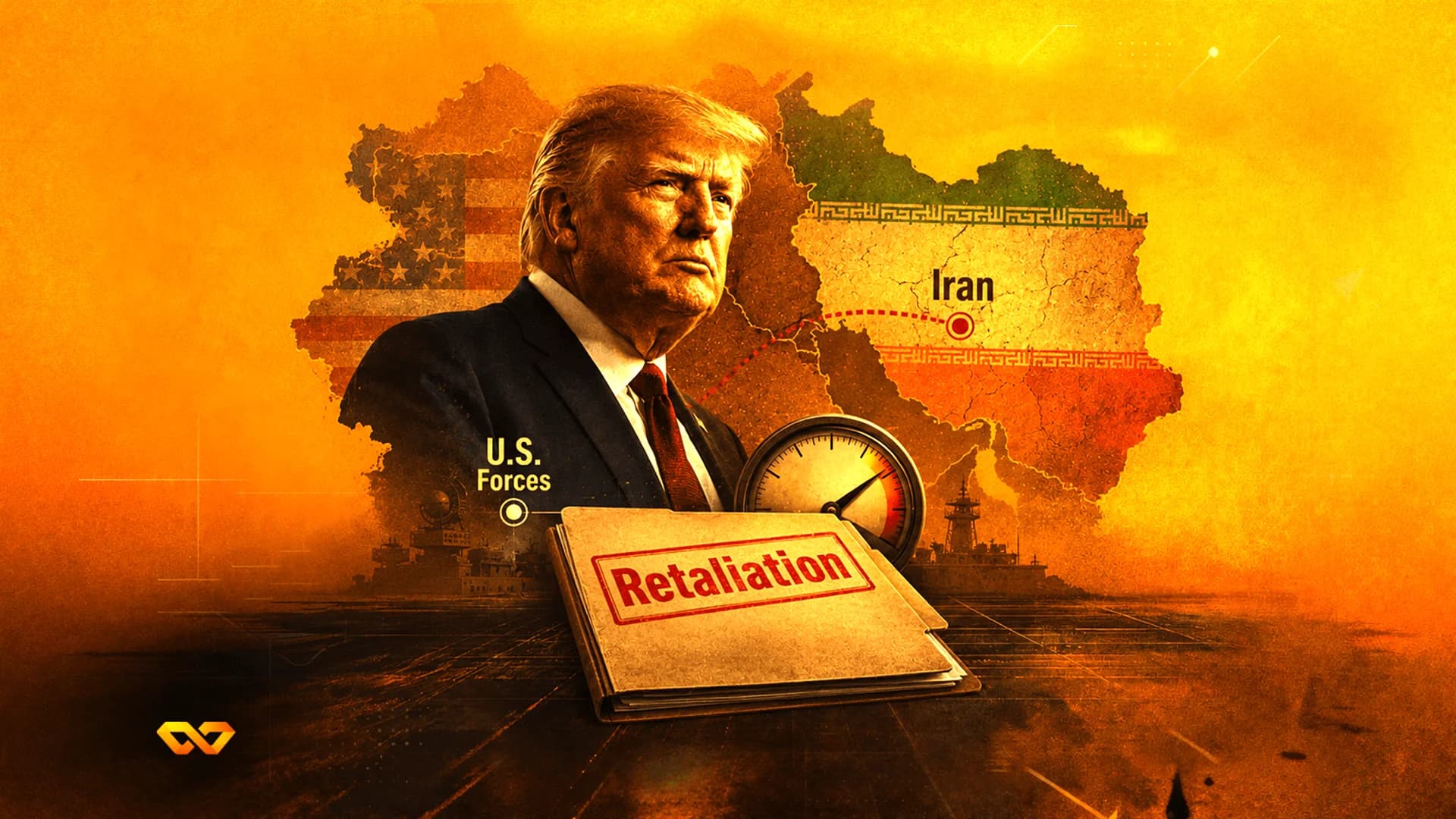
In a move reflecting a dangerous escalation in regional tensions, President Trump vowed revenge against Iran following a weekend that resulted in the deaths of US troops. This direct threat of retaliation follows a 13-day period of rising friction, including previous US strikes and oil license revocations. According to reports, the loss of US military personnel has pushed the administration toward a direct military response against Iranian interests.
These developments come at a sensitive time for global energy markets, as the threat of a direct confrontation between Washington and Tehran raises the geopolitical risk premium. Looking at market context, such threats typically trigger sharp volatility in crude oil prices, especially amid fears of supply disruptions through the Strait of Hormuz.
Traders should watch for upcoming policy moves in Washington, as any retaliatory strike could trigger a wave of risk-off sentiment across global markets. According to the economic calendar, the API Crude Oil Stock Change report on July 14, 2026, will be a key catalyst for energy markets. Additionally, speeches from Fed officials scheduled for the same day will be scrutinized to assess how geopolitical risks might influence inflation expectations and future monetary policy.