
US Gas Prices Top $4 Mark Amid Escalating Iran Conflict
Key Facts
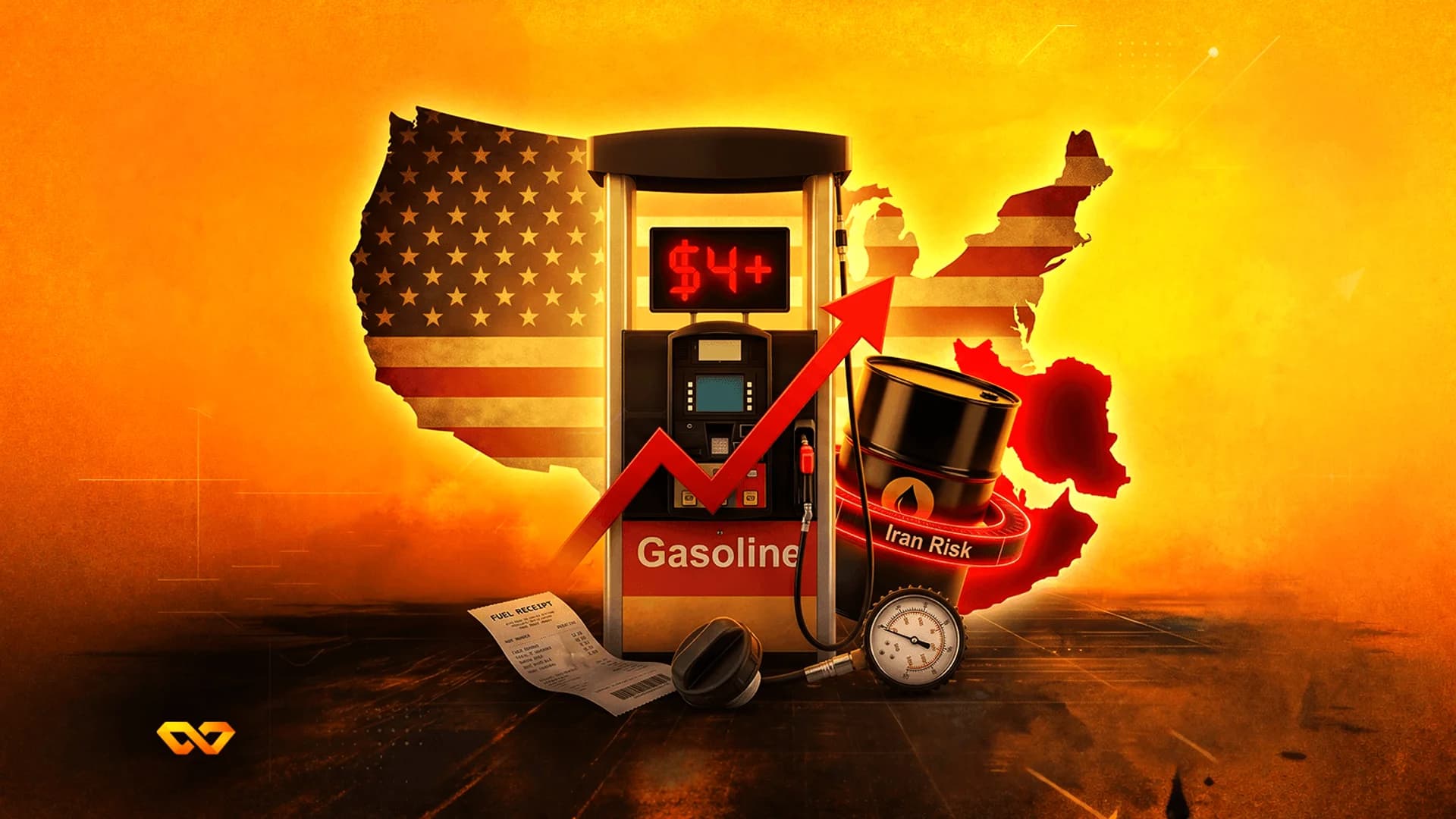
Amid escalating geopolitical risks in the Middle East, energy markets are facing increased pressure that has directly impacted living costs in the United States. According to reports, the national average gas price has surged past the $4 per gallon mark, driven by the intensifying conflict with Iran. This spike is attributed to a rising supply risk premium, which has placed additional strain on fuel retailers and defied political efforts to stabilize energy costs.
This price surge comes at a critical juncture for the macroeconomy, sparking concerns that renewed inflationary pressures could dampen consumer discretionary spending. Industry experts suggest that continued tensions may lead to further volatility in energy markets as traders weigh potential supply disruptions. Per market data, while higher fuel prices typically bolster margins within the energy sector, they act as a significant headwind for broader consumer-facing industries.
As of July 20, 2026, investors are closely monitoring the API Crude Oil Stock Change report scheduled for July 14 to gauge domestic supply levels. Additionally, the US Consumer Price Index (CPI) release on the same day will be a pivotal catalyst, as it will reveal how energy costs are filtering into annual inflation rates, which previously stood at 3.5% according to official data, potentially influencing upcoming monetary policy directions.