
Polestar to Exit U.S. Market After Deciding Not to Appeal Federal Ban
Key Facts
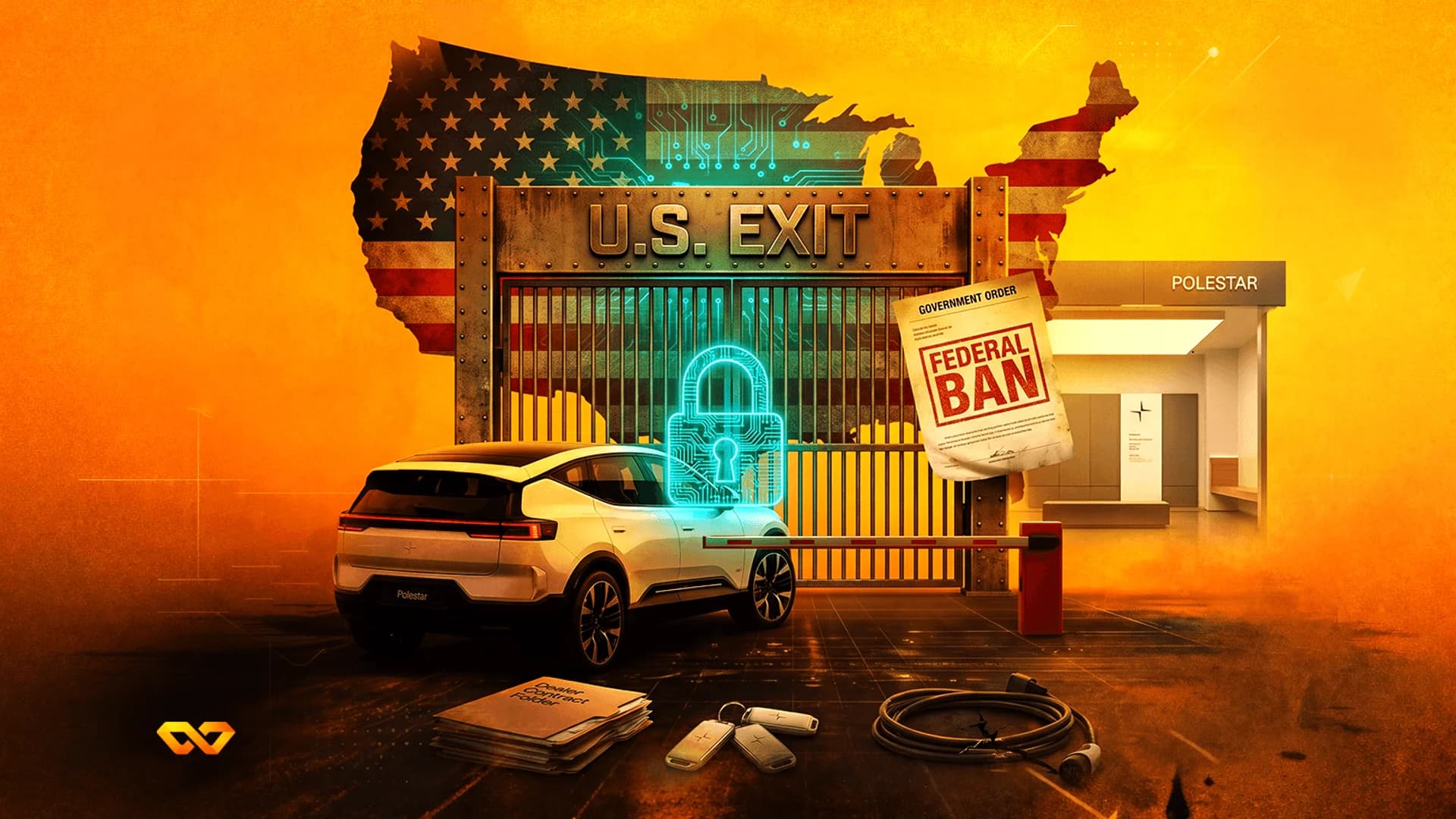
Amid intensifying trade scrutiny and technical restrictions on Chinese-linked components, EV manufacturer Polestar has decided not to appeal the federal ban on its vehicles in the United States. According to reports, this decision effectively signals the company's exit from the American market. This strategic pivot leaves retail dealers in a difficult position, following significant investments based on the company's previous expansion promises.
This retreat occurs as Chinese-owned entities face mounting pressure from the U.S. Department of Commerce regarding connected vehicle software and hardware. In contrast to peers like Tesla and Rivian, which continue to solidify their domestic market shares, Polestar has found regulatory hurdles too high to maintain viable operations. Per market data, Polestar's exit leaves a vacuum in the premium EV segment that domestic and non-Chinese international rivals are expected to fill.
Looking ahead, investors are focused on the upcoming U.S. Consumer Price Index (CPI) data on July 14, 2026, which could impact financing costs across the automotive sector. Traders will also monitor scheduled speeches from Fed officials, including Waller and Barr, for insights into monetary policy that could influence consumer confidence in alternative markets.