
US Small Businesses Fight for $166B in Tariff Refunds After Court Ruling
Key Facts
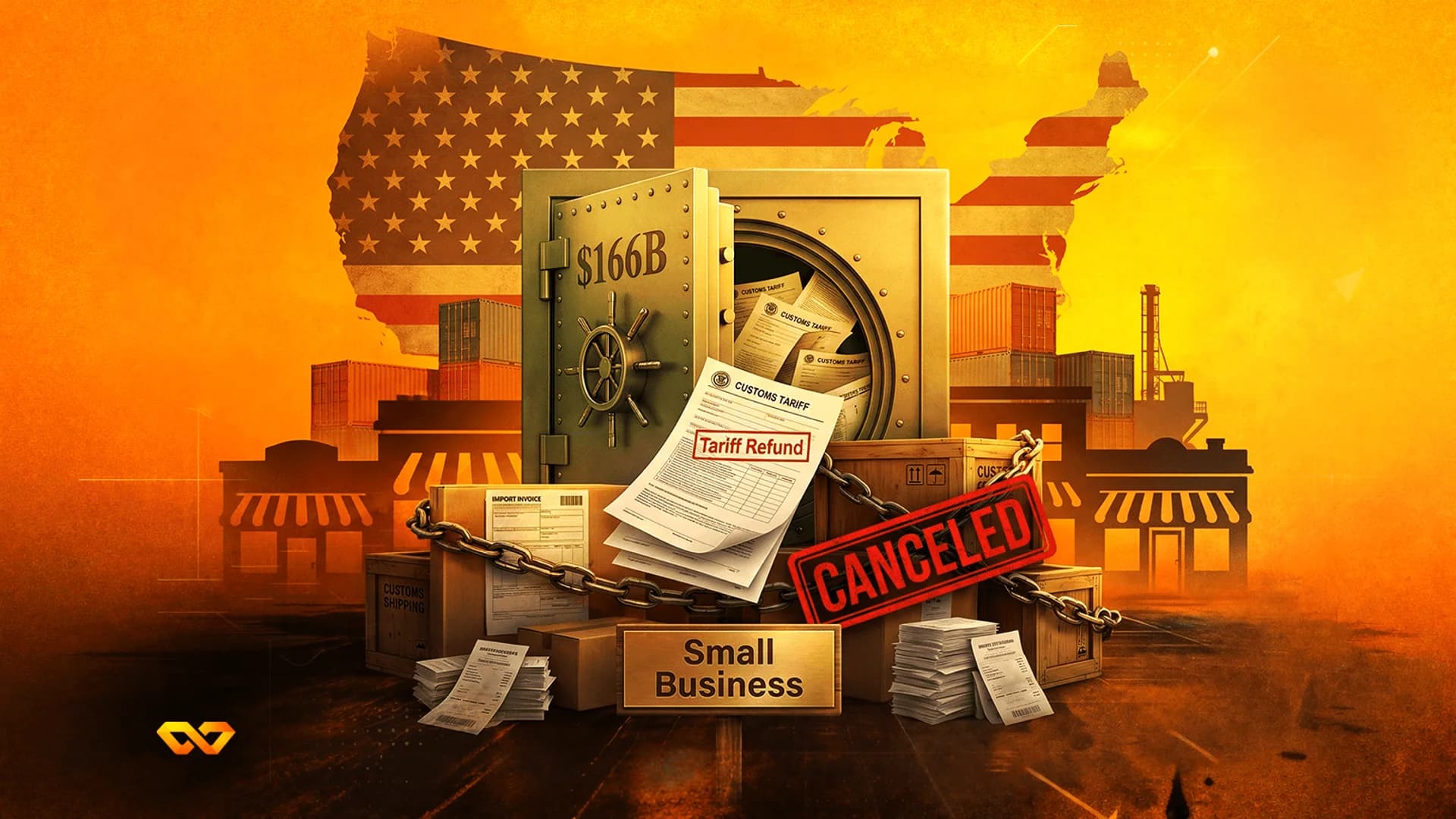
In a move reflecting the complexities of US trade policy, small businesses are navigating a new struggle to reclaim massive tariff payments previously collected by the government. According to reports, the US government amassed approximately $166 billion from over 330,000 importers under the International Emergency Economic Powers Act (IEEPA) before the Supreme Court struck them down. This situation is causing significant cash-flow and operational strain for firms attempting to secure these refunds.
This legal dispute arrives at a sensitive time for global trade balances; recent market data showed India’s trade balance at -$30.43 billion in July 2026. Legal experts suggest that the refund process could span years due to the sheer volume of claimants and bureaucratic hurdles within the US Treasury, leaving many retailers in a state of uncertainty regarding the timing of these liquidity injections compared to previous fiscal cycles.
Looking ahead, investors are monitoring US government budget statements, which showed a deficit of $120 billion as of July 13, 2026, per market data, as large-scale refunds could impact public fiscal balances.