
UK Upholds North Sea Drilling Ban Despite Industry and Union Backlash
Key Facts
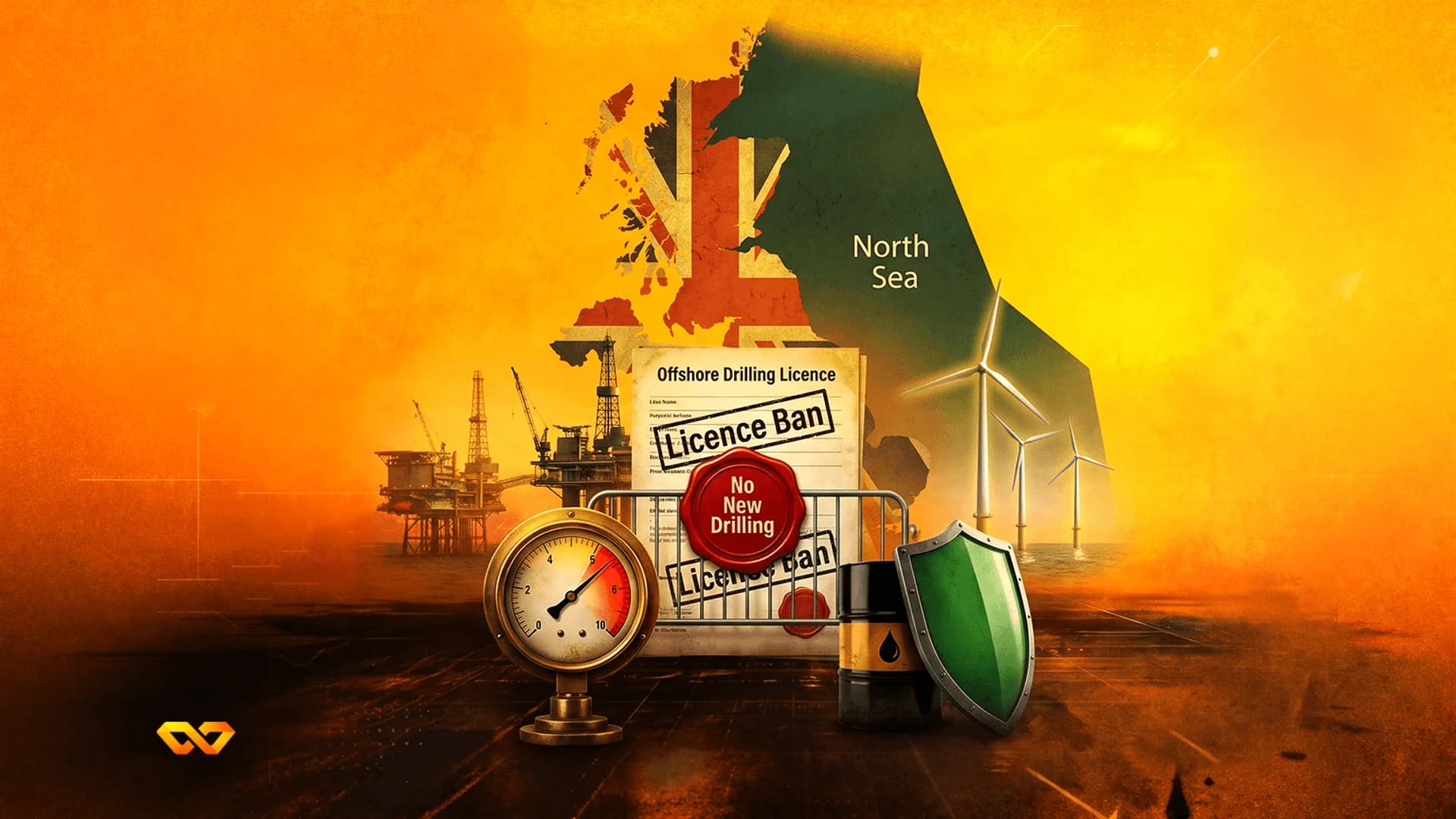
In a move reflecting the UK government's strict adherence to its environmental agenda, Energy Secretary Ed Burnham has decided to maintain the ban on new oil and gas exploration licenses in the North Sea. This decision upholds a key campaign pledge aimed at aligning national energy policy with net-zero strategy. However, the confirmation has triggered significant backlash from the energy industry and trade unions, who warn of heightened risks to domestic energy security and potential job losses in the sector.
This regulatory stance comes as energy majors like SHEL.L and BP.L navigate structural shifts in European policy. Recent earnings reports from Shell indicate an increased reliance on share buybacks to sustain investor confidence amid tightening exploration limits (per market data). Compared to US peers like ExxonMobil, which benefit from more permissive drilling environments, North Sea producers face growing concerns over declining domestic output and a long-term reliance on energy imports, potentially weighing on sector valuations.
In the markets, BP.L shares stood at 510.20p while SHEL.L closed at 3160p (as of July 16, 2026). Investors are now looking ahead to further clarity on fiscal policies regarding energy profits and windfall taxes. Additionally, traders are monitoring the fallout from the OPEC meeting held on July 13, which remains a critical catalyst for global supply expectations in light of the UK's restricted production outlook.