
US Launches Retaliatory Strikes on Iranian Targets to Secure Hormuz Oil Routes
Key Facts
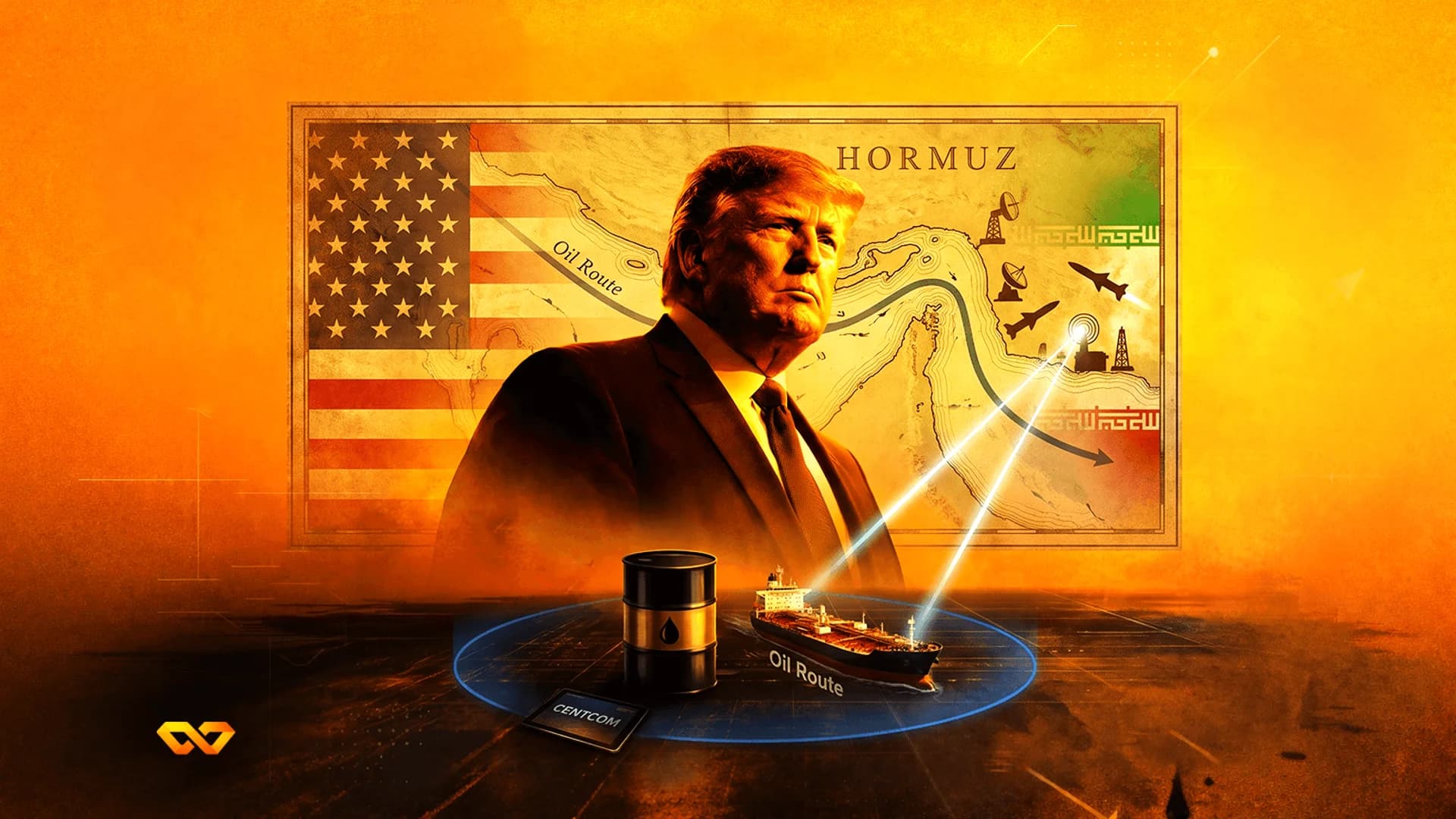
In a significant escalation of regional hostilities, the United States has commenced active military retaliation via airstrikes targeting Iranian military capabilities following the deaths of US service members. According to reports, Washington has explicitly linked these strike objectives to the protection of oil tanker traffic and the preservation of maritime security in the Strait of Hormuz. This move transitions the conflict from a period of tension into a phase of direct kinetic engagement with potential long-term implications for global energy security.
Historically, military operations near the Strait of Hormuz—a chokepoint for nearly 20% of global oil consumption—trigger immediate supply disruption premiums, with Brent crude often reacting sharply to such threats per Reuters citations. In the equities market, defense sector peers including Lockheed Martin and Raytheon typically experience increased demand as geopolitical hedges when US military involvement intensifies, according to historical market data.
Traders should closely monitor the scale of any Iranian counter-response, as further escalation could drive extreme volatility across commodity markets and regional indices. Looking ahead, the OPEC meeting on July 13, 2026, remains a critical catalyst for assessing supply-side adjustments, while Fed Governor Bowman’s speech on the same day will be scrutinized for the central bank's view on energy-driven inflationary risks.