
US Dollar Index DXY Rises on Strong Retail Sales and Resilient Labor Market
Key Facts
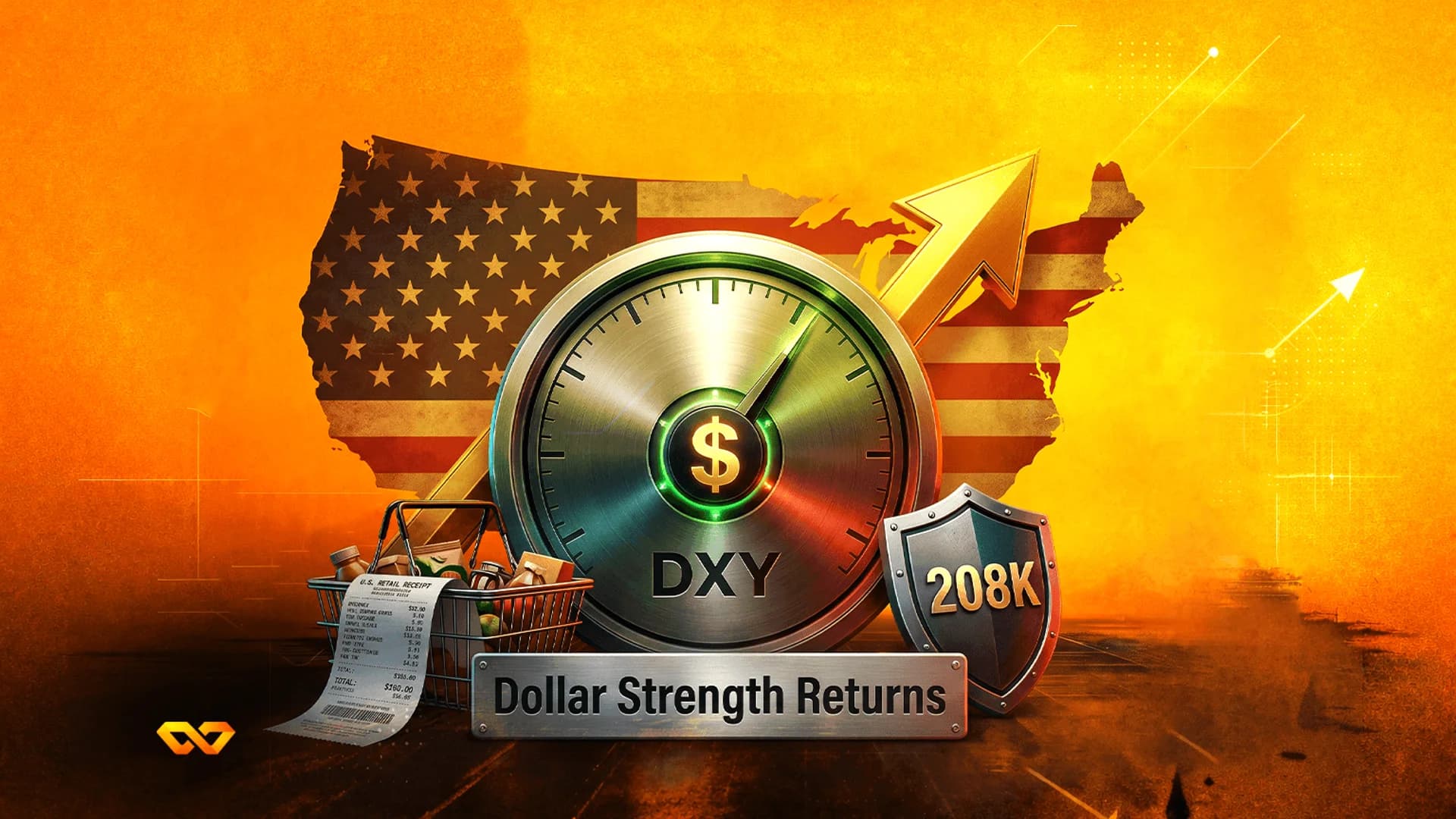
In a move reflecting the resilience of the US economy against high interest rates, the US Dollar Index (DXY) recorded notable gains following positive economic releases. Reports showed strong US retail sales alongside resilient jobless claims, indicating sustained consumer spending momentum and labor market stability. According to reports, this data reinforces the Federal Reserve's cautious stance regarding the timing and pace of future interest rate cuts.
This rally comes as major global economies show mixed signals, with Germany recording a 0.7% monthly decline in wholesale prices per market data released on July 14, 2026. In contrast, Chinese trade data showed robust export growth of 27%, positioning the Dollar as a strong asset backed by solid yields compared to peers in Europe and Asia who face varying inflationary pressures.
Looking ahead, traders are monitoring central bank communications for clearer signals on the rate path, especially following the Fed's Monetary Policy Report on July 10, 2026. While current price levels are not available in this snapshot, market focus remains on upcoming Fed official speeches to assess whether the Greenback can maintain its bullish momentum above key support levels formed after the latest data.
Latest Updates · 1
- Notable·
Update: Safe-haven flows have begun providing additional support to the DXY as investor sentiment shifts toward defensive positioning. This trend emerges amid growing caution in global markets, enhancing the Greenback's appeal as a secure investment choice away from high-risk asset volatility.