
Hormuz Escalation: Iran Targets Vessel as Oil Prices Surge on Supply Fears
Key Facts
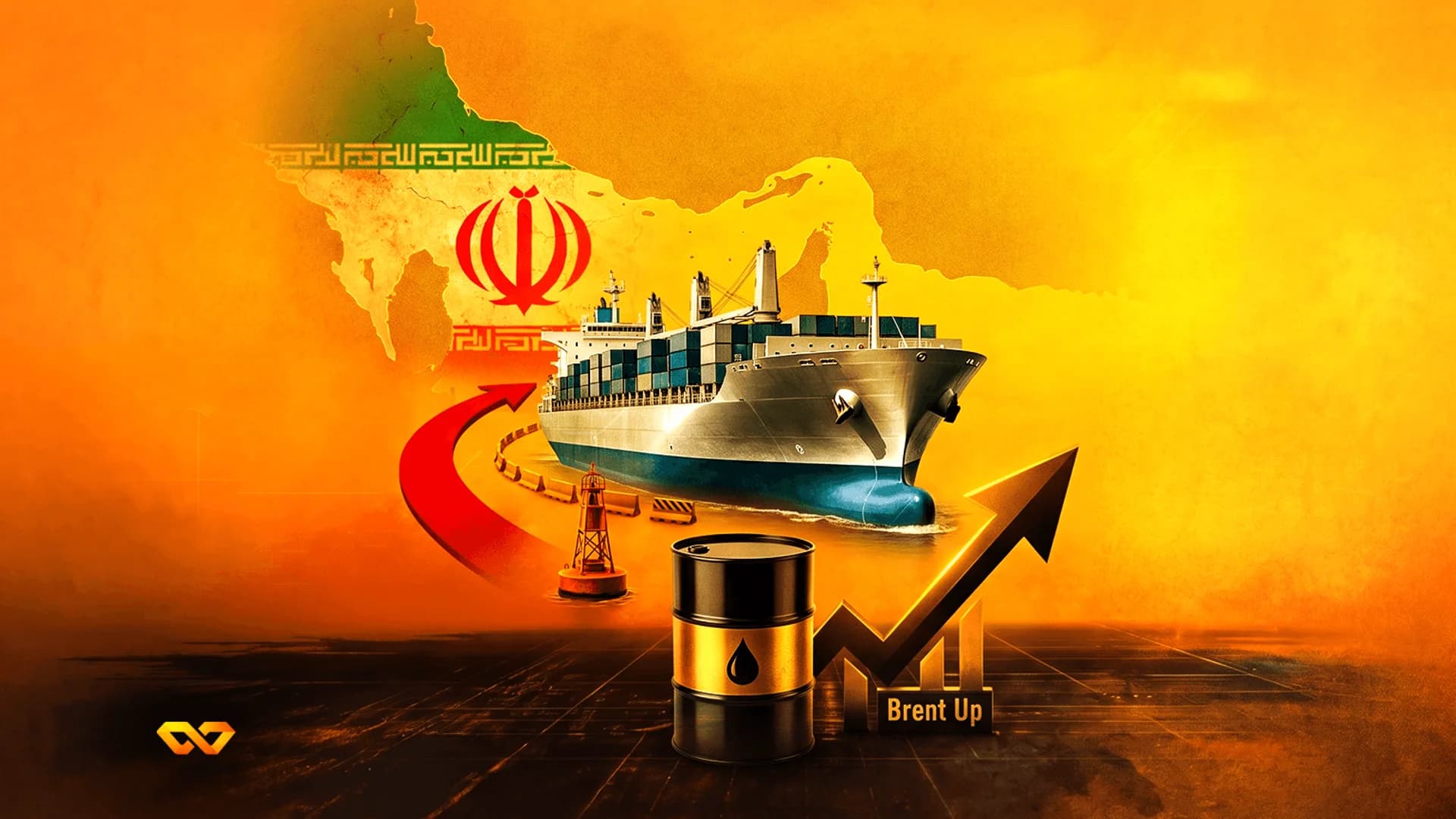
In a move reflecting heightened geopolitical risks in the world's most vital energy corridor, Iran's Revolutionary Guard reportedly targeted a commercial vessel in the Strait of Hormuz. According to the Tasnim news agency, the action was taken after the ship ignored warnings while attempting to transit the strategic waterway. This escalation triggered an immediate surge in WTI crude oil prices, which rose by $3.53 to reach $82.48 per barrel, while the 3-2-1 oil crack spread hit a historic high exceeding $70 per barrel.
This escalation comes at a sensitive time for global energy markets, as targeting vessels in the Strait of Hormuz raises fears of widespread supply chain disruptions, similar to recent incidents in the Red Sea. Compared to previous volatility, the record-high refinery margins reflect intense pressure on refined petroleum products, which technical reports indicate are at their highest historical levels due to immediate supply constraints (per market data).
Traders should closely monitor field developments in the region, as oil prices remain susceptible to sharp volatility based on international reactions. Looking at the economic calendar, the market is awaiting the OPEC meeting scheduled for July 13, 2026, which may address the impact of these tensions on global supply stability, alongside the release of the CFTC Commitment of Traders report to gauge long positions in oil contracts.