
Eurozone Trade Deficit Widens to €7.8 Billion in May as Imports Surge
Key Facts
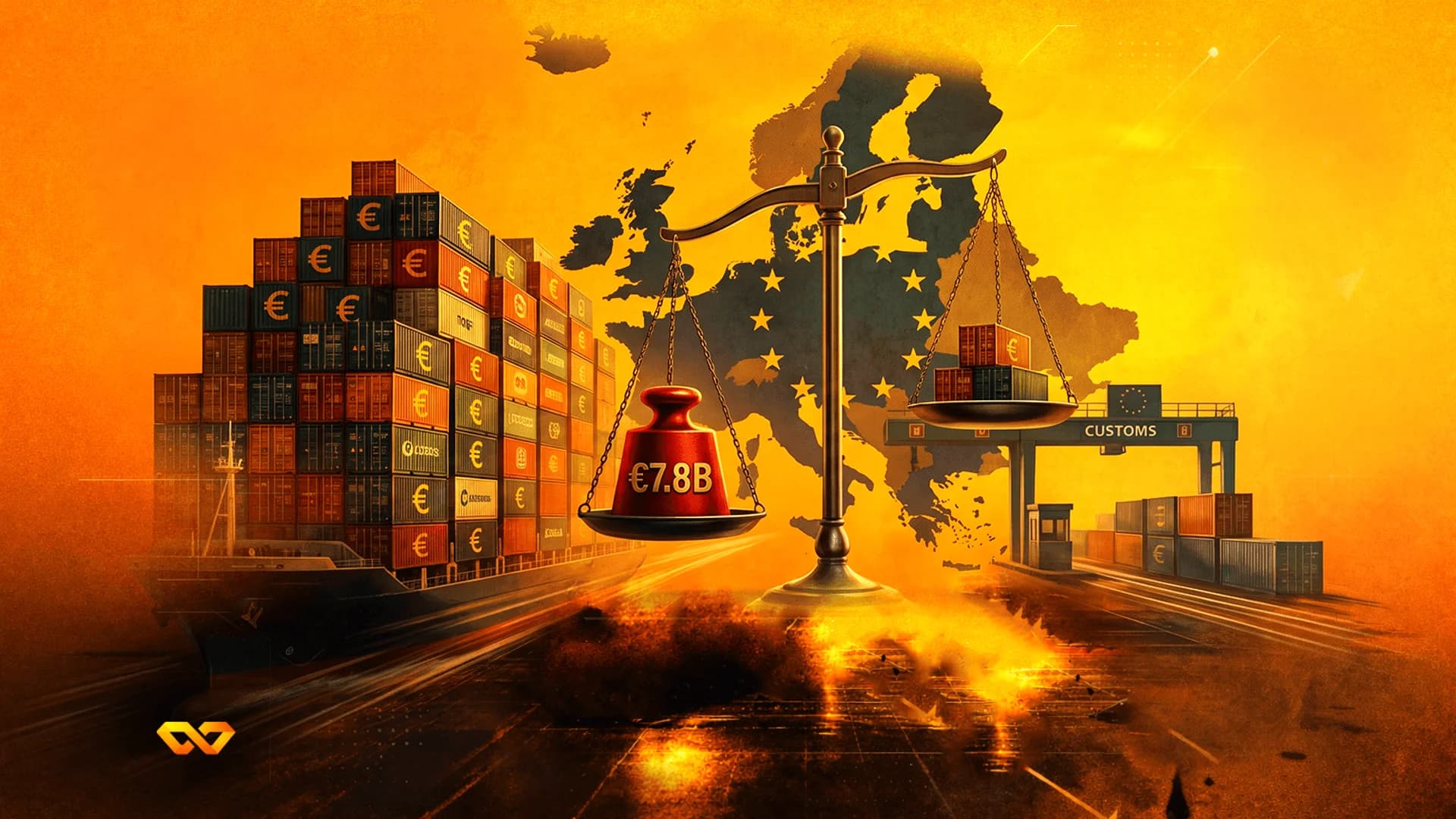
In a move reflecting growing pressure on the bloc's trade balance, the Eurozone recorded a deficit of €7.8 billion in May, the largest since January 2023. According to reports, this widening was driven by a 10% surge in imports year-on-year, while exports remained nearly flat. High energy import costs, which reached a standalone deficit of €30.3 billion, were the primary weight on the overall trade balance.
This deterioration comes as the region's major industrial powers face structural challenges; industrial production in Germany and Italy both contracted by 0.3% month-on-month per market data released on July 10, 2026. Compared to the first quarter, shrinking surpluses in the machinery and chemicals sectors suggest a decline in European export competitiveness amid high input costs, further weighing on the single currency.
Investors should monitor how this data influences European Central Bank (ECB) sentiment, especially following the release of the Monetary Policy Meeting Accounts on July 9, 2026, which reflected a cautious stance.