
Trump Scraps 20% Hormuz Shipping Fee Threat
Key Facts
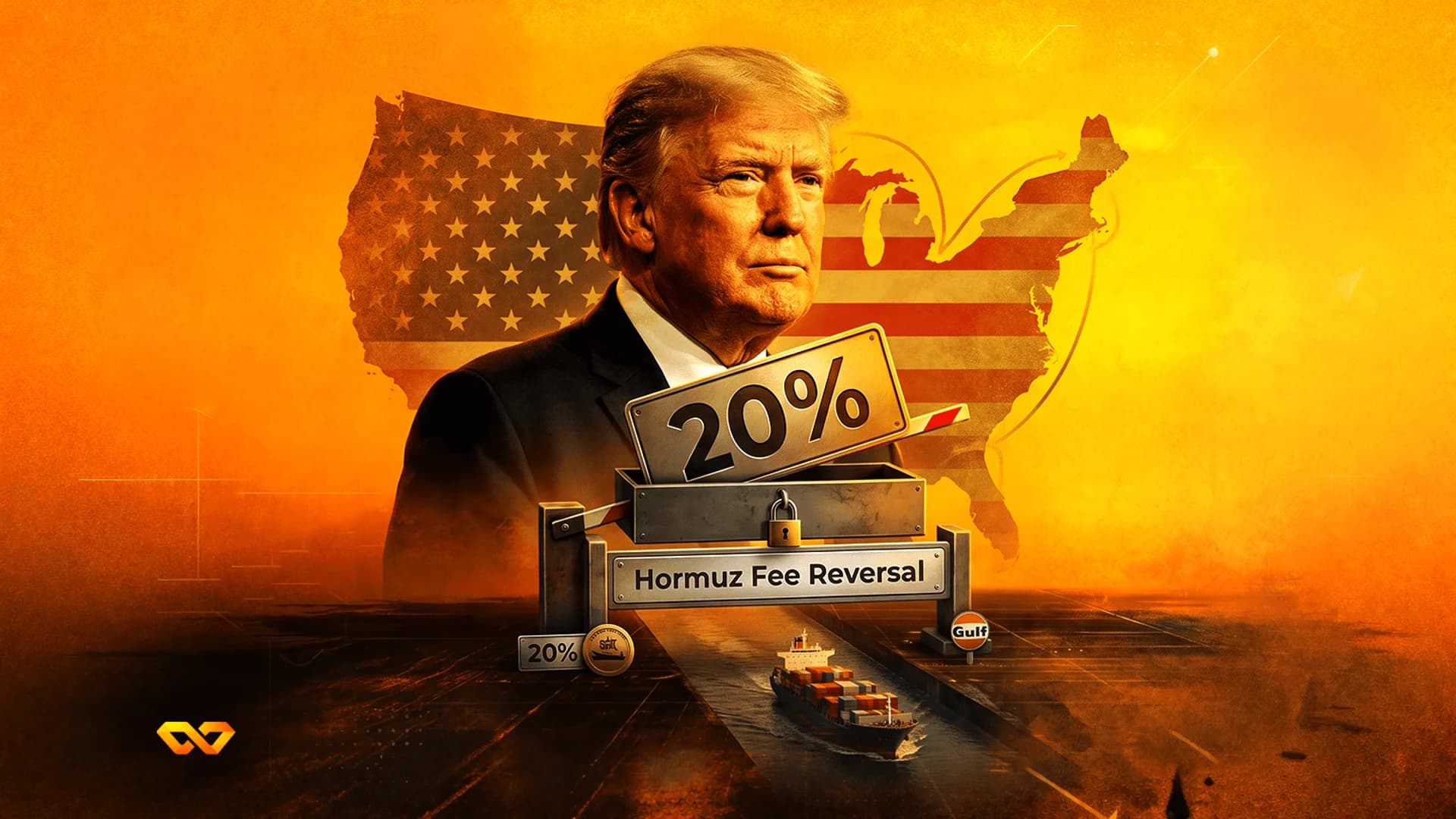
In a move aimed at easing pressure on global supply chains, President Trump has dropped his threat to impose a 20% fee on cargo ships transiting the Strait of Hormuz. This reversal followed intense diplomatic pressure from Gulf allies seeking to avoid disruptions to international trade and energy flows. However, reports indicate that the United States will maintain its blockade of Iranian ports to challenge Tehran's control over the strategic waterway.
The Strait of Hormuz is a vital artery through which approximately one-fifth of global oil consumption passes, making any additional fees a significant burden for major shipping lines like Maersk and Hapag-Lloyd. Per market data, rescinding these fees mitigates concerns over rising maritime insurance premiums, which have spiked during previous periods of regional tension. Geopolitical experts suggest that focusing on a direct blockade rather than broad shipping fees aims to isolate Iranian infrastructure while minimizing collateral damage to global commerce.
Looking ahead, traders are monitoring the US EIA Weekly Petroleum Report scheduled for July 8, 2026, which may reflect the impact of these developments on crude inventories. Additionally, market participants will watch the German Balance of Trade data on July 9, 2026, to assess how stabilized shipping costs influence global export dynamics.