
India-UK Free Trade Agreement Enters Into Force to Boost Economic Ties
Key Facts
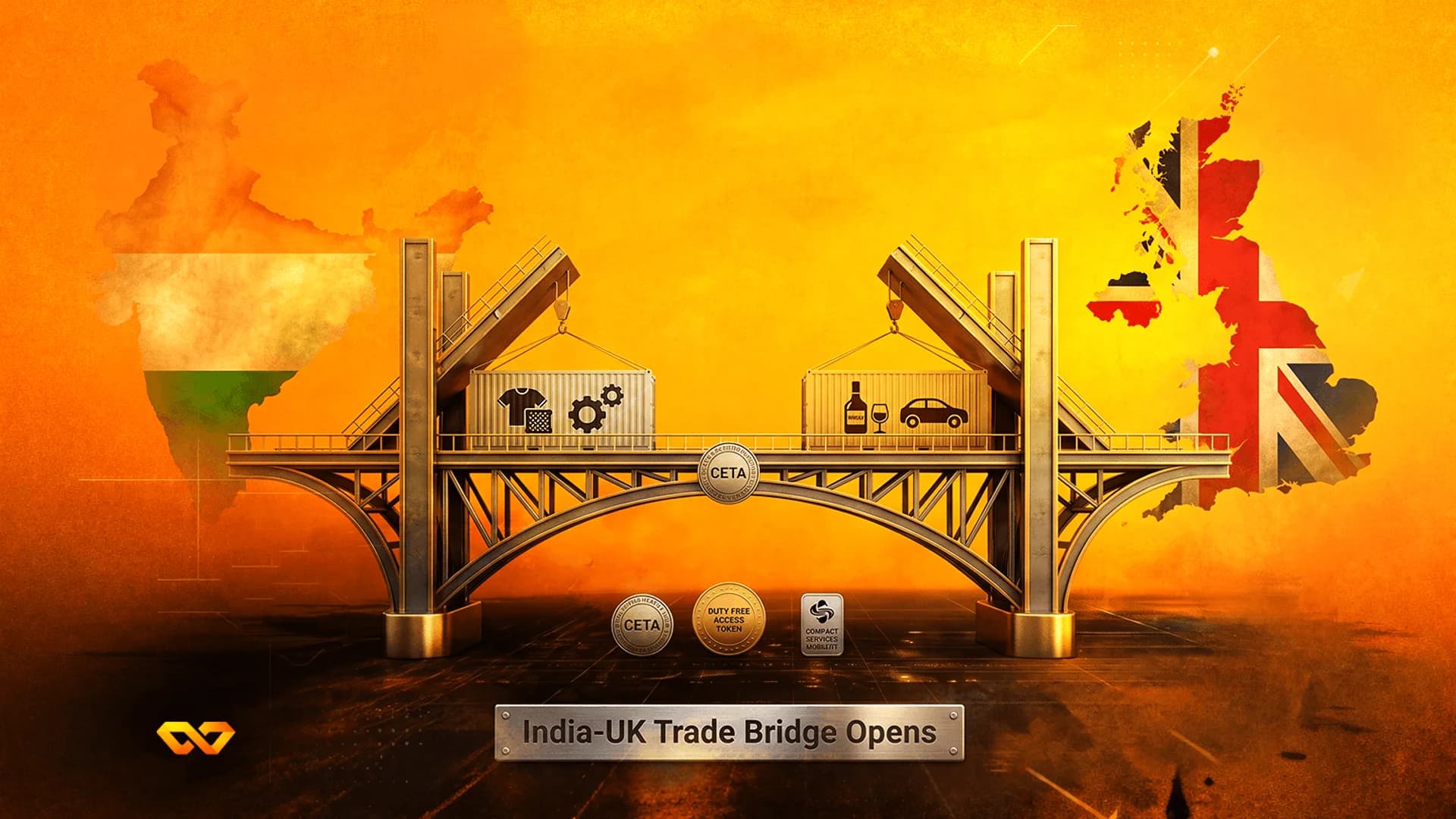
In a move reflecting a strategic shift in global trade dynamics post-Brexit, the free trade agreement (FTA) between India and the United Kingdom has officially entered into force. This landmark deal between the world's fifth and sixth largest economies aims to strengthen bilateral economic ties by significantly lowering trade barriers. The implementation focuses on reducing tariffs on various goods and services, ranging from textiles to spirits, marking the commencement of a new era in trade cooperation between the two nations.
This implementation arrives as London aggressively seeks to diversify its trading partners, with Bloomberg reports suggesting bilateral trade could double by 2030 under the new framework. Compared to previous trade arrangements, experts note that this FTA provides British firms with a competitive edge in a market of over 1.4 billion consumers, while India stands to gain from increased foreign direct investment and easier access for its exports. Per market data, Germany's balance of trade showed a surplus of 19.1 billion in July 2026, highlighting the broader trade activity context as these new corridors open.
Looking ahead, investors are monitoring the long-term impact on global supply chains and the earnings of major industrial players in both regions. According to the economic calendar, market participants are awaiting the release of the FOMC Minutes, which could influence broader risk sentiment across emerging markets including India.