
Hormuz Tensions Revive ECB Rate Hike Risks Amid Energy Volatility
Key Facts
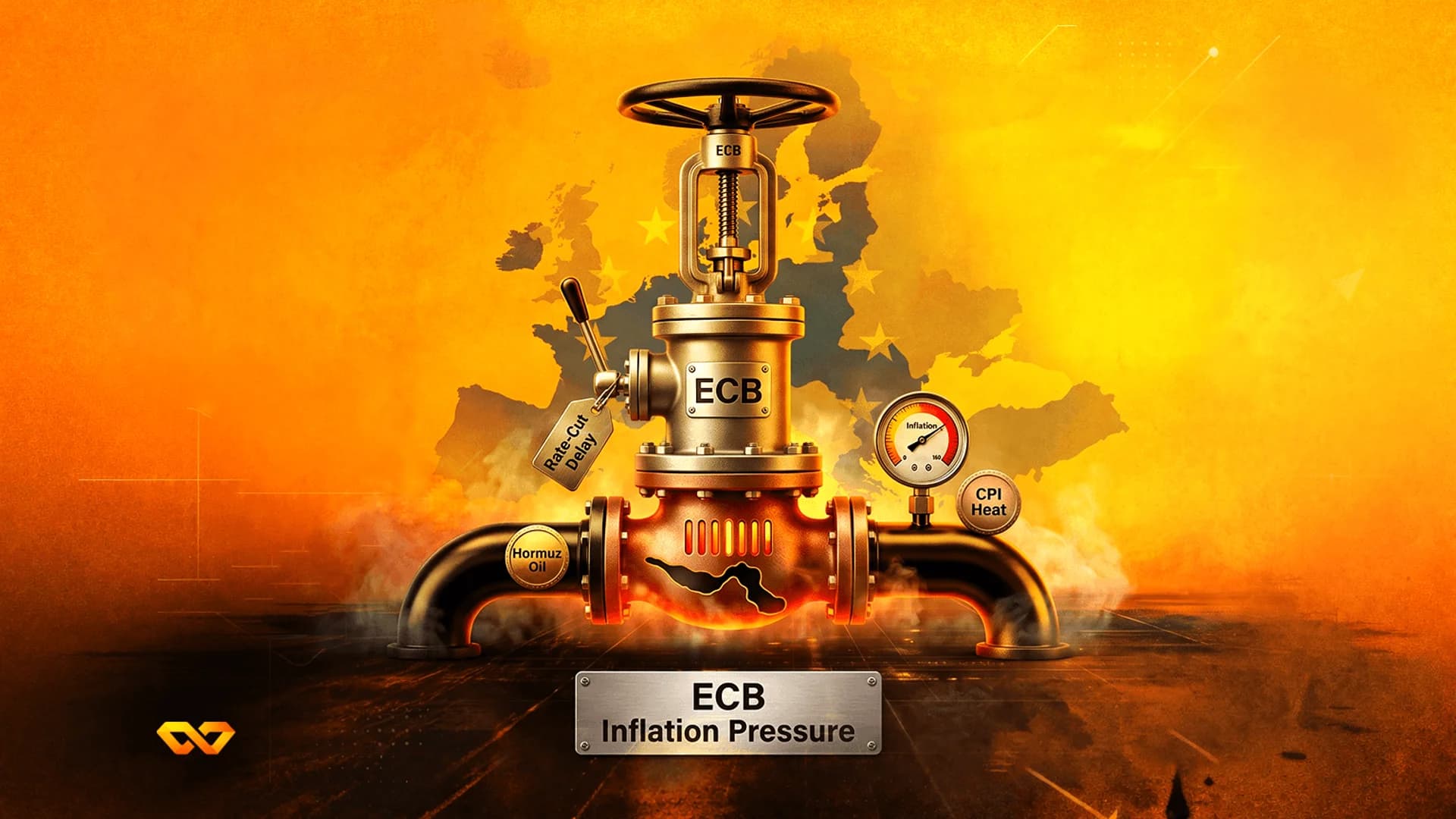
Amid escalating geopolitical risks threatening global energy supply chains, the European Central Bank (ECB) faces renewed pressure to reassess its monetary policy path. According to reports, higher oil prices resulting from tensions in the Strait of Hormuz have put a potential rate hike back on the table for next week's meeting, a move previously considered unlikely. This shift follows the ECB's 25-basis-point hike to its key deposit rate in June, which was also triggered by a spike in energy costs.
These developments coincide with heightened uncertainty across European markets, as volatile oil prices raise fears of inflation remaining above targets for longer. Looking at global peers, China's inflation data released on July 9, 2026, showed a slowdown to 1% annually, missing the 1.1% forecast per market data, highlighting divergent inflationary pressures between major economies. Meanwhile, Germany's trade balance reported a surplus of 19.1 billion euros on July 9, reflecting relative resilience in Europe's largest economy despite energy challenges.
Investors are now focused on the ECB's monetary policy meeting scheduled for July 22, 2026, for clear signals on the next move. The recent German CPI report, which stood at 2.3% year-on-year as of July 10, 2026, will be a critical factor in shaping final market expectations ahead of the upcoming rate decision.