
Trump Vows Control Over Strait of Hormuz as US Oil Reserves Near Limits
Key Facts
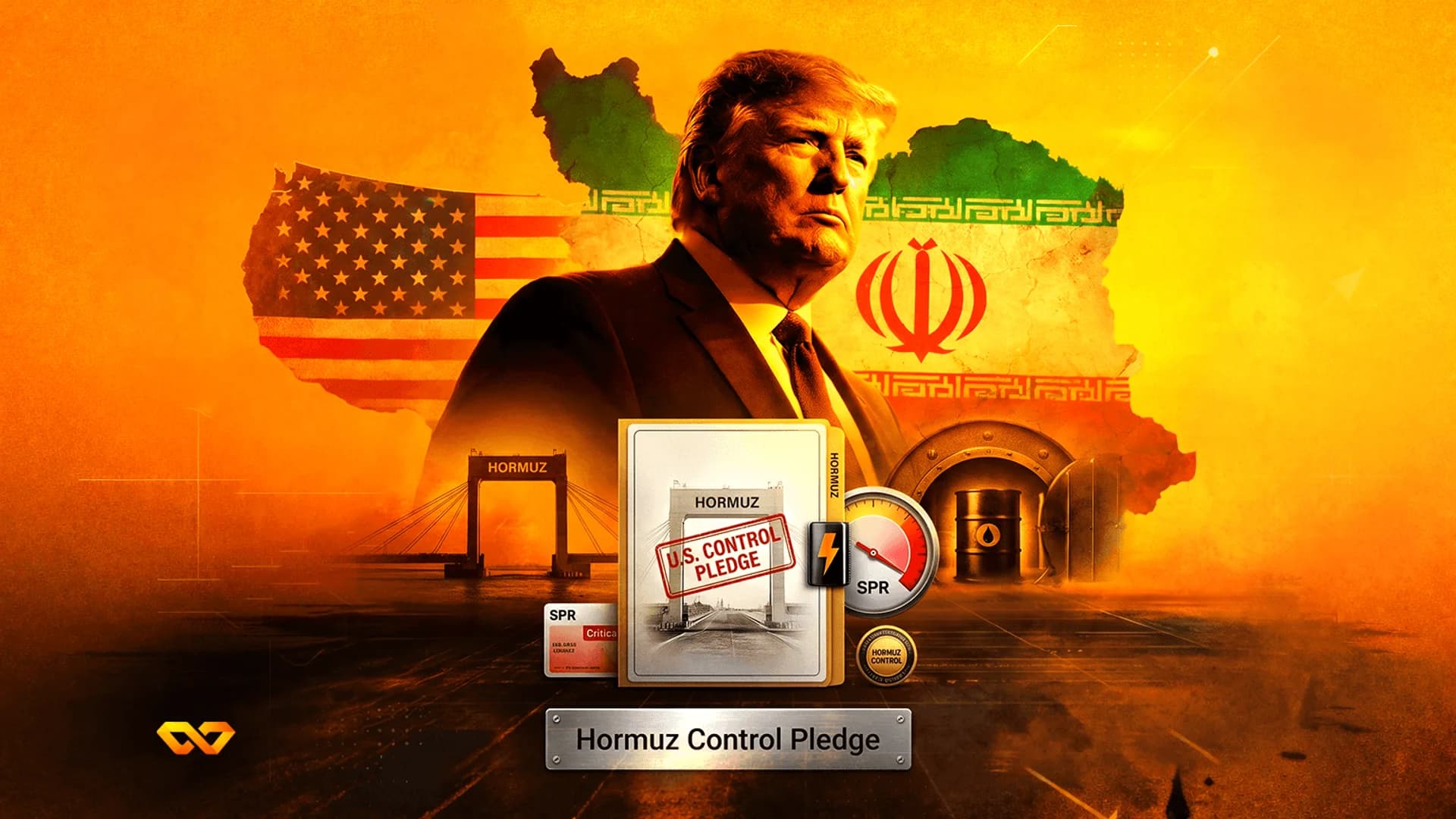
Geopolitical concerns in global energy markets are intensifying as the United States reportedly reaches the limits of its Strategic Petroleum Reserve (SPR). Amidst this tightening supply backdrop, Donald Trump has vowed to exert control over the Strait of Hormuz to ensure the stability of global energy flows. This move combines domestic energy reserve management with a firm geopolitical stance aimed at securing critical oil transit routes in the Middle East.
The Strait of Hormuz is a vital chokepoint through which approximately one-fifth of the world's oil consumption passes daily, making any rhetoric regarding its control a significant driver for risk premiums. Per market data, the depletion of U.S. strategic reserves limits the government's buffer to counteract supply shocks, a dynamic that historically leads to increased price volatility. Experts note that such a stance could redefine maritime security protocols in the Persian Gulf.
Investors should closely monitor upcoming energy data, specifically the EIA Weekly Petroleum Report scheduled for July 8, 2026, to gauge the actual state of U.S. inventories. Additionally, the FOMC Minutes due on the same day will be crucial for assessing how energy-driven inflation might influence interest rate trajectories.