
Trump Signals Major Iraq Oil Deals and Gulf Investment Pivot
Key Facts
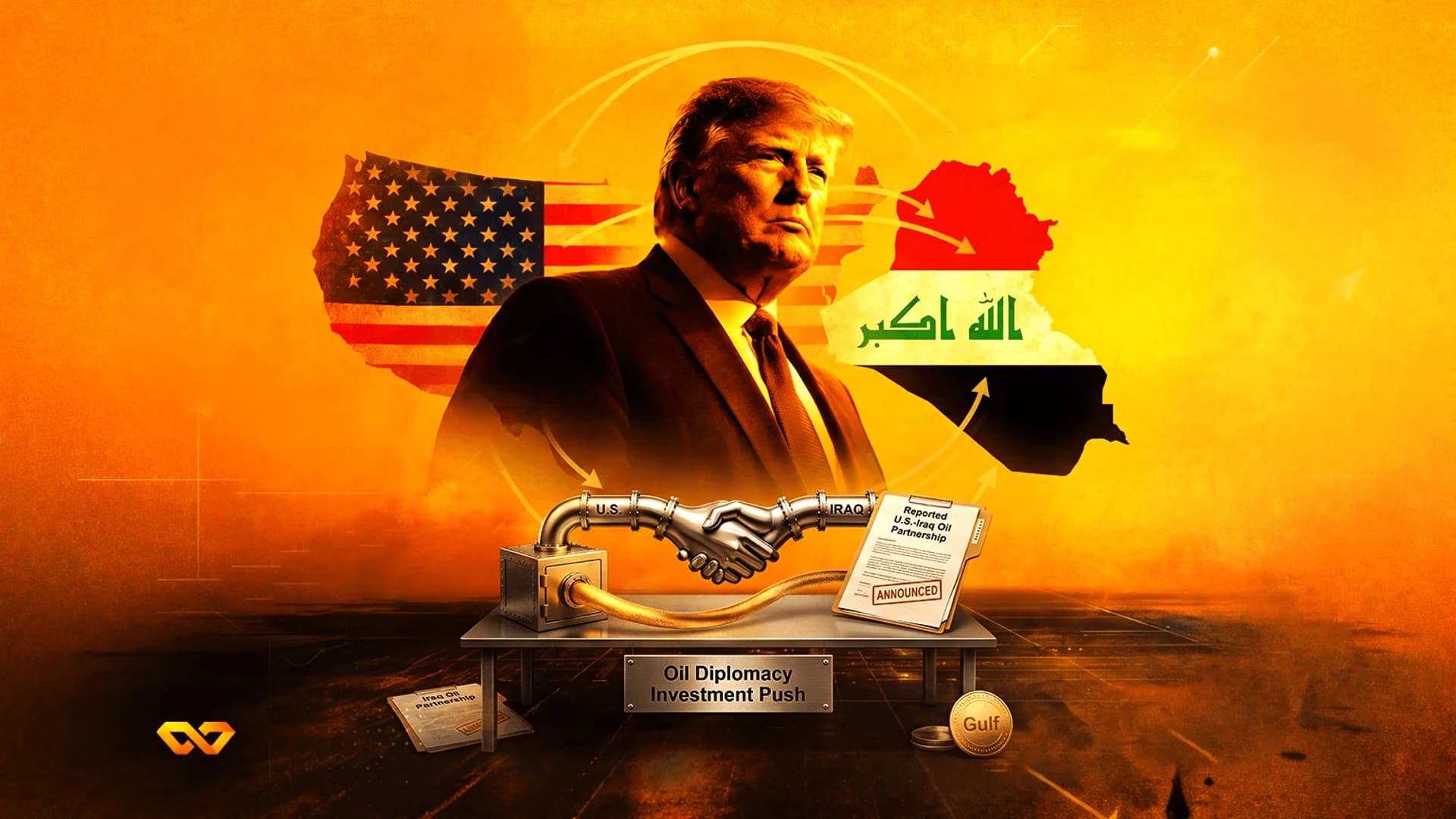
In a move aimed at bolstering US energy security and lowering domestic prices, President Trump announced plans for extensive oil deals with Iraq. According to reports, Trump stated that the US intends to extract significant quantities of oil through these new agreements. He also highlighted a strategic shift in regional financial flows, noting that Gulf states are expected to invest directly in the US economy rather than charging passage fees in the Strait of Hormuz, while signaling a potential expansion of the sanctions regime.
These statements come as global energy markets monitor the administration's policies toward major producers, with Trump seeking to revive the 'energy dominance' strategy of his previous term. This pivot toward direct Gulf investment represents a change in regional trade dynamics; meanwhile, recent global trade data, such as Germany's trade balance surplus of 19.1 billion euros (per market data in July 2026), suggests resilient industrial demand despite energy sector volatility.
Looking ahead, traders are assessing the impact of these policies on crude inventories, especially following the EIA Weekly Petroleum Report on July 8, 2026, which showed a build of 2.998 million barrels. Crude prices remain highly sensitive to geopolitical developments surrounding the Strait of Hormuz. Investors will also focus on the upcoming FOMC Minutes to gauge how dollar strength might influence energy import costs and the projected capital inflows from Gulf partners.