
Oil Prices Hit 4-Month High Growth as U.S.-Iran Military Conflict Erupts
Key Facts
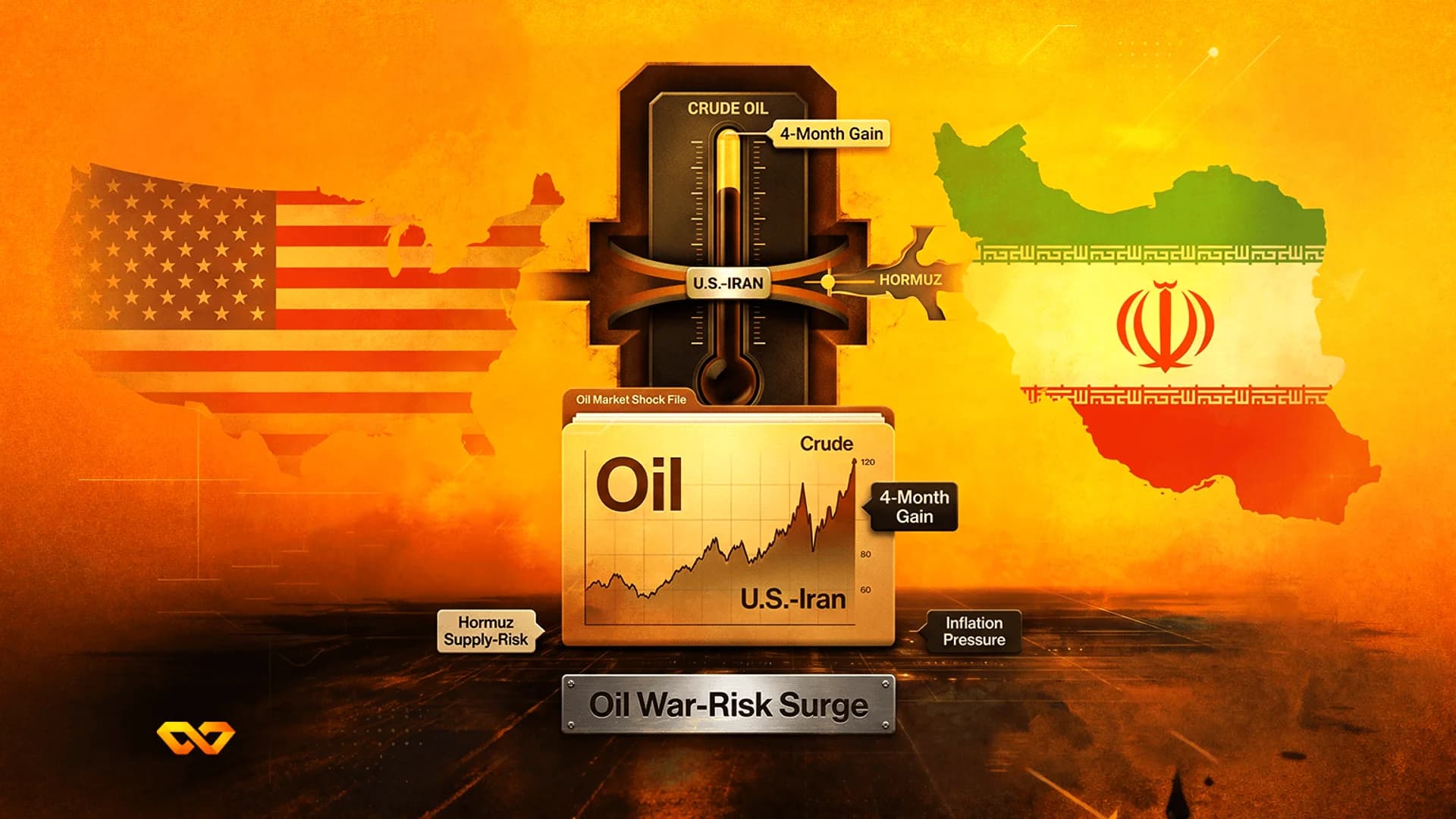
In a dramatic shift in the geopolitical landscape, oil prices recorded their largest two-day percentage gain in four months as tensions escalated from economic threats to direct military engagement. Reports have confirmed active fighting between U.S. and Iranian forces, sparking immediate fears of prolonged energy supply disruptions through the Strait of Hormuz. This military escalation has intensified market uncertainty, overshadowing previous concerns regarding the proposed 20% shipping levy.
Historically, military conflicts in the Arabian Gulf have triggered sharp price spikes due to the geopolitical risk premium, as the strait handles approximately 20% of global oil consumption. Per market data, shares of energy giants such as ExxonMobil and Chevron have reacted strongly to the surging crude prices. Analysts suggest that active combat could lead to broader retaliatory measures, potentially targeting oil infrastructure and creating global inflationary pressures far exceeding those of previous trade-related crises.
Looking ahead, traders are closely monitoring the EIA Weekly Petroleum Report and the FOMC minutes scheduled for July 8, 2026, to assess the impact of this supply shock on monetary policy.