
US-Iran Military Escalation Jolts Global Markets Amid Strait of Hormuz Closure
Key Facts
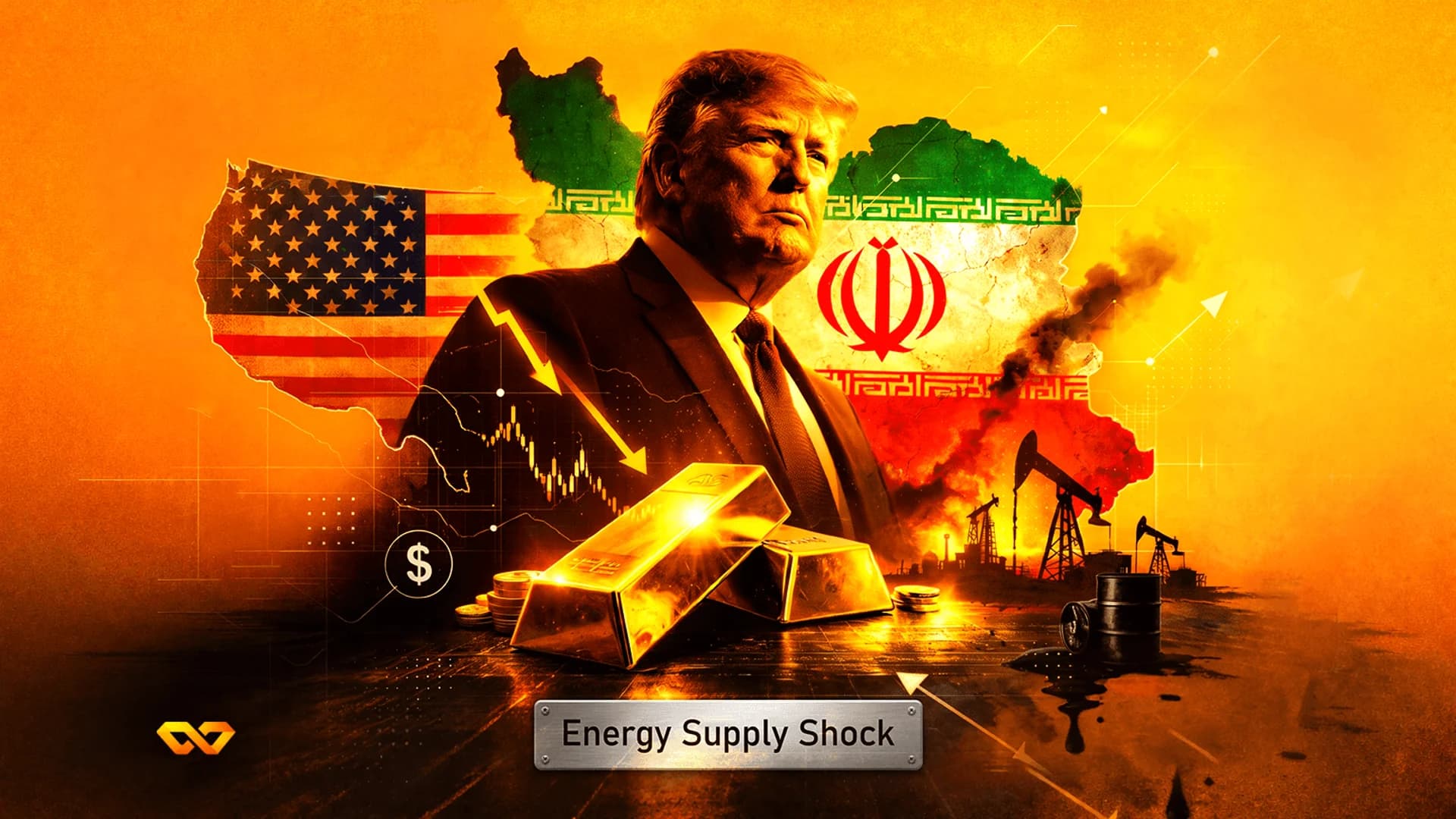
In a dramatic escalation threatening global market stability, the United States launched airstrikes against 140 military targets in Iran, triggering immediate Iranian retaliation against US bases and the announced closure of the strategic Strait of Hormuz. This direct military confrontation has placed immense pressure on risk assets, as the prospect of a wider regional conflict raises unprecedented concerns over the disruption of global energy flows.
The military conflict has intensified the selloff in the semiconductor sector, which was already reeling from supply chain concerns; Intel shares dropped 4% to $104.97, while AMD fell to $533.58. Per market data, Nvidia (NVDA) closed at $203.53 on July 13, 2026, and TSMC (TSM) traded at $434.11 on July 10, 2026, illustrating the fragile market environment that preceded this geopolitical explosion.
Investors must now closely monitor the situation in the Strait of Hormuz, with INTC trading near its July 10, 2026 low of $107.45 (as of July 13, 2026 close). With no major catalysts on the economic calendar for the next seven days, price action will be dictated by military developments and their impact on energy prices, which further strain operational costs for chip equipment makers like AMAT.