
Oil and LNG Tankers Go Dark in Strait of Hormuz Amid Rising Risks
Key Facts
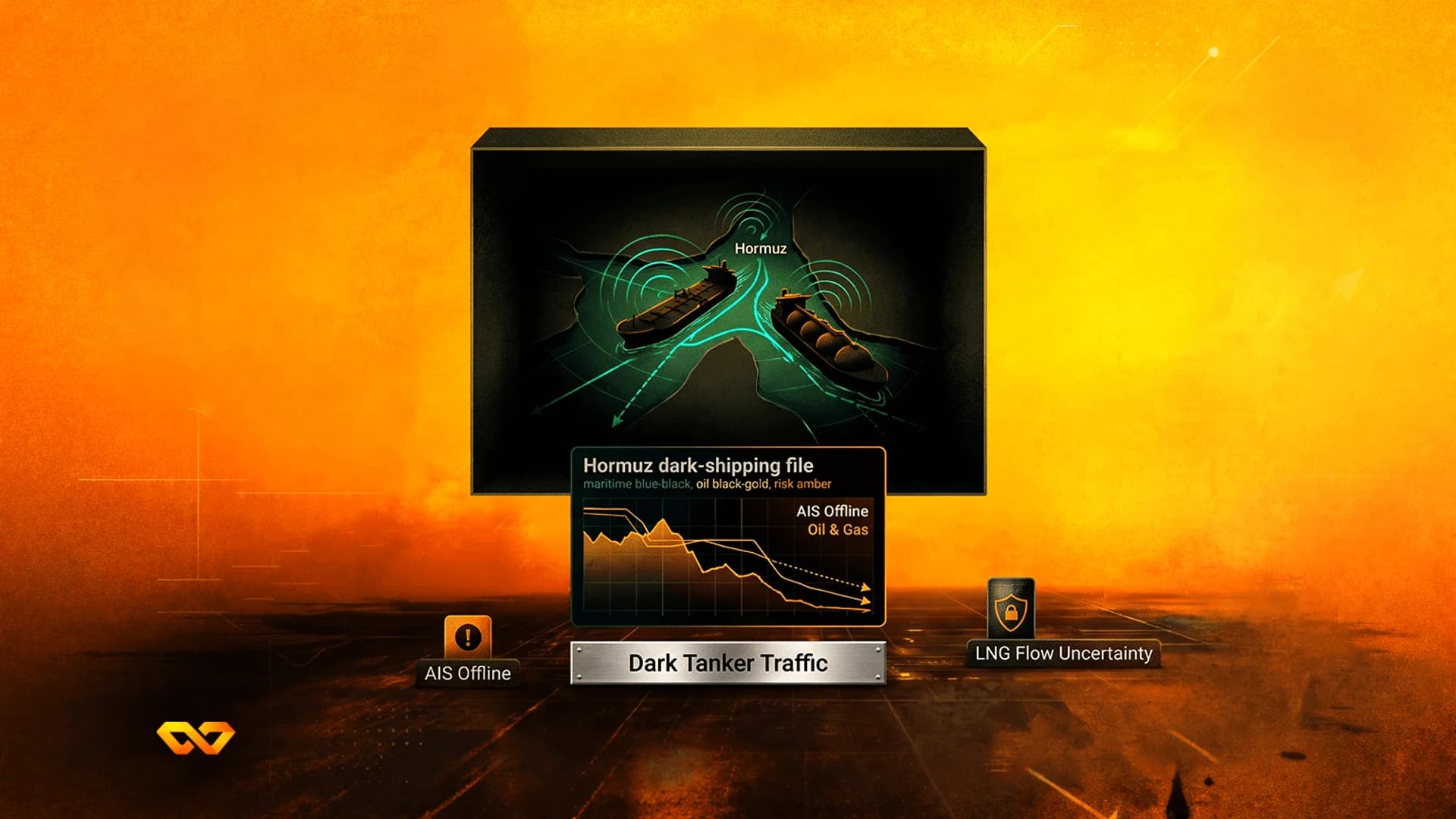
Amid escalating regional tensions threatening global energy security, the Strait of Hormuz has seen a radical shift in commercial shipping patterns. According to Kpler data, visible tanker traffic through this strategic chokepoint collapsed to just six vessels on Sunday. Reports indicate that vessel operators are increasingly switching off their transponders—entering "dark mode"—to avoid detection and mitigate the risk of seizure or attack following recent Iranian military actions.
This disruption occurs at a critical juncture for energy markets, as the Strait of Hormuz handles approximately one-fifth of global oil consumption daily. Compared to previous maritime crises, such as the 2019 tanker attacks, analysts suggest that the widespread adoption of "dark mode" reflects an unprecedented level of caution among major shipping firms. Per market data, these security maneuvers are driving up insurance premiums and freight costs, potentially impacting global energy prices in the near term.
Traders should closely monitor the EIA Weekly Petroleum Report scheduled for July 8, 2026, as inventory data may reveal the impact of any supply disruptions from the Gulf. Additionally, the market awaits the Commitment of Traders (CFTC) report later today to gauge how large speculators are positioning for supply-side risks.