
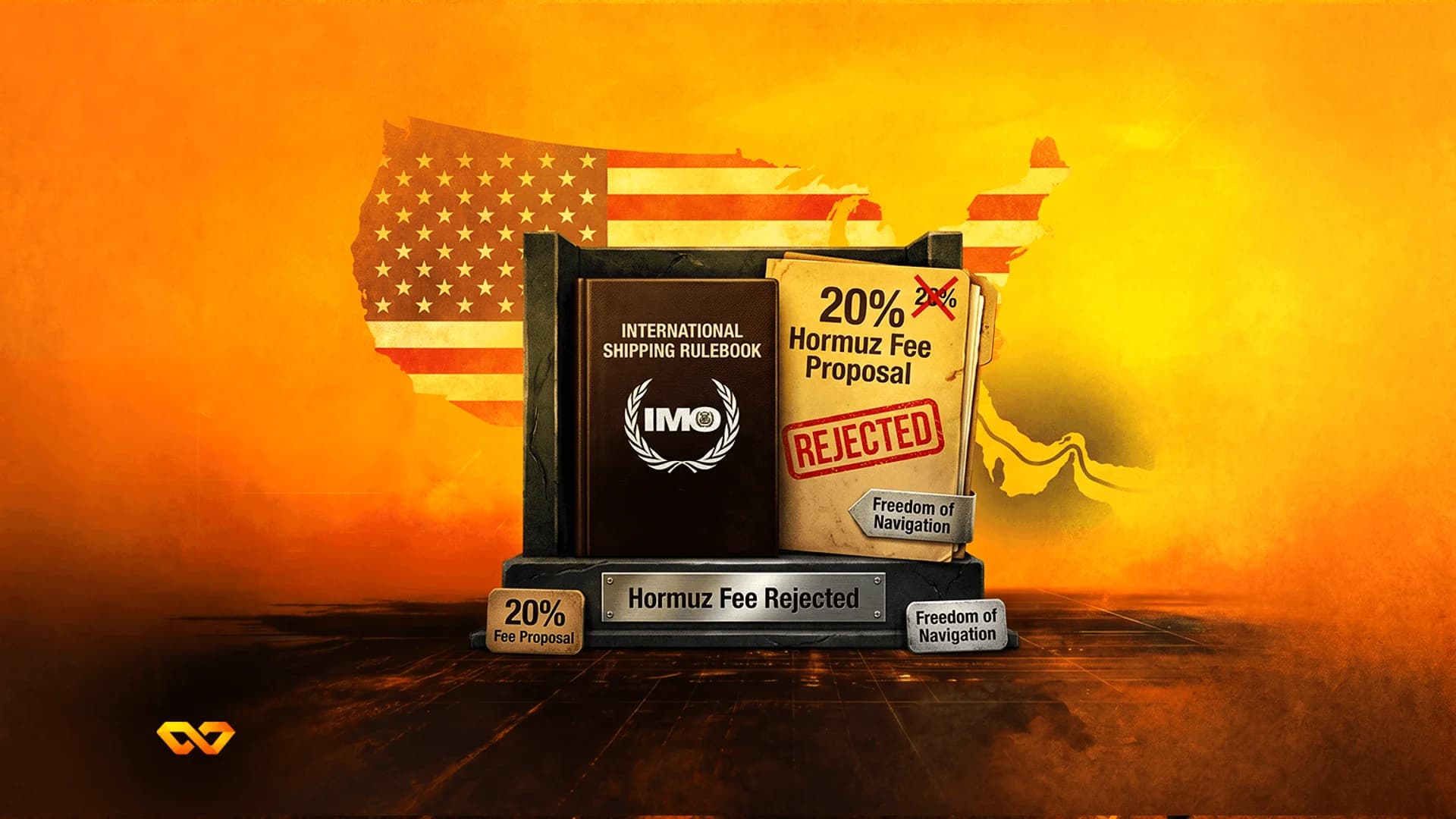
IMO Rejects Trump's Proposed 20% Transit Fees for Strait of Hormuz
Key Facts
In a move that creates significant legal hurdles for Washington's efforts to recoup military costs, the International Maritime Organization (IMO) has formally opposed President Donald Trump's proposal for transit fees. The UN body stated there is no legal basis for mandatory tolls in the Strait of Hormuz. President Trump had demanded that the U.S. receive payments equivalent to 20% of all cargo value in exchange for the protection provided by the U.S. Navy in the strategic waterway.
If implemented, this levy would drastically increase global energy shipping overheads, as approximately one-fifth of global oil consumption passes through the strait daily. According to international maritime experts, the UN Convention on the Law of the Sea guarantees the right of 'transit passage' for commercial vessels without financial encumbrance, making unilateral fees a violation of international norms. This dispute emerges as maritime insurance premiums remain sensitive to regional geopolitical risks.
Traders should monitor upcoming energy data, specifically the EIA Weekly Petroleum Report scheduled for July 8, 2026, which may reflect supply sensitivities to political friction. Additionally, the FOMC Minutes due on the same day will be critical for assessing how potential energy cost spikes might influence inflation forecasts.