
Hormuz Clashes Spike Oil Prices and Pressure Asian Tech Stocks
Key Facts
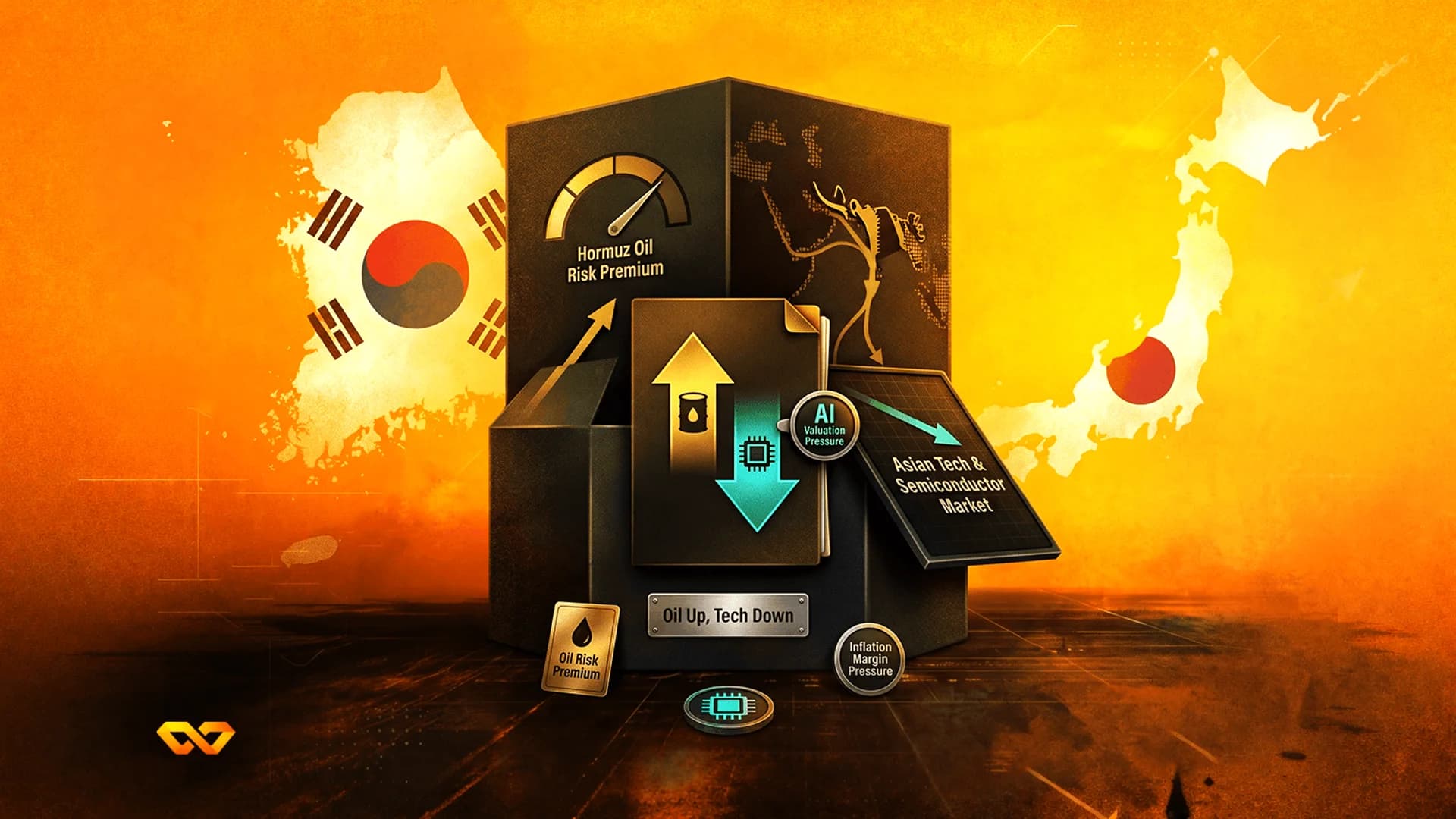
Amid escalating geopolitical risks in one of the world's most critical energy chokepoints, markets experienced a sharp shift toward risk-off sentiment following reports of military clashes in the Strait of Hormuz. This escalation triggered an immediate climb in oil prices due to fears of disruptions to vital supply lines. Conversely, Asian memory chipmakers led global equity declines as investors rushed to liquidate positions in sectors sensitive to global trade and economic growth.
These pressures arrive at a sensitive time for the tech sector, as analysts monitor the ability of semiconductor firms to absorb rising energy costs; in similar past crises, shares of companies like Samsung and SK Hynix have seen sharp volatility when maritime trade routes are threatened. Per market data, any disruption in the Strait of Hormuz—through which approximately 20% of global oil consumption passes according to the U.S. Energy Information Administration—directly raises the geopolitical risk premium on export-oriented Asian assets.
Looking ahead, traders are awaiting the EIA Weekly Petroleum Status Report on July 8, 2026, to assess current supply and demand balances.
Latest Updates · 1
- Notable·
Update: The sell-off extended to major U.S. tech firms, with five of the 'Megacap Eight' recording declines between 1% and nearly 4%. Additionally, U.S. stock markets and Treasuries sank simultaneously as oil prices surged following reports of a new U.S. blockade.