
Mideast Tensions Pressure Bitcoin as Oil Price Surge Complicates Inflation
Key Facts
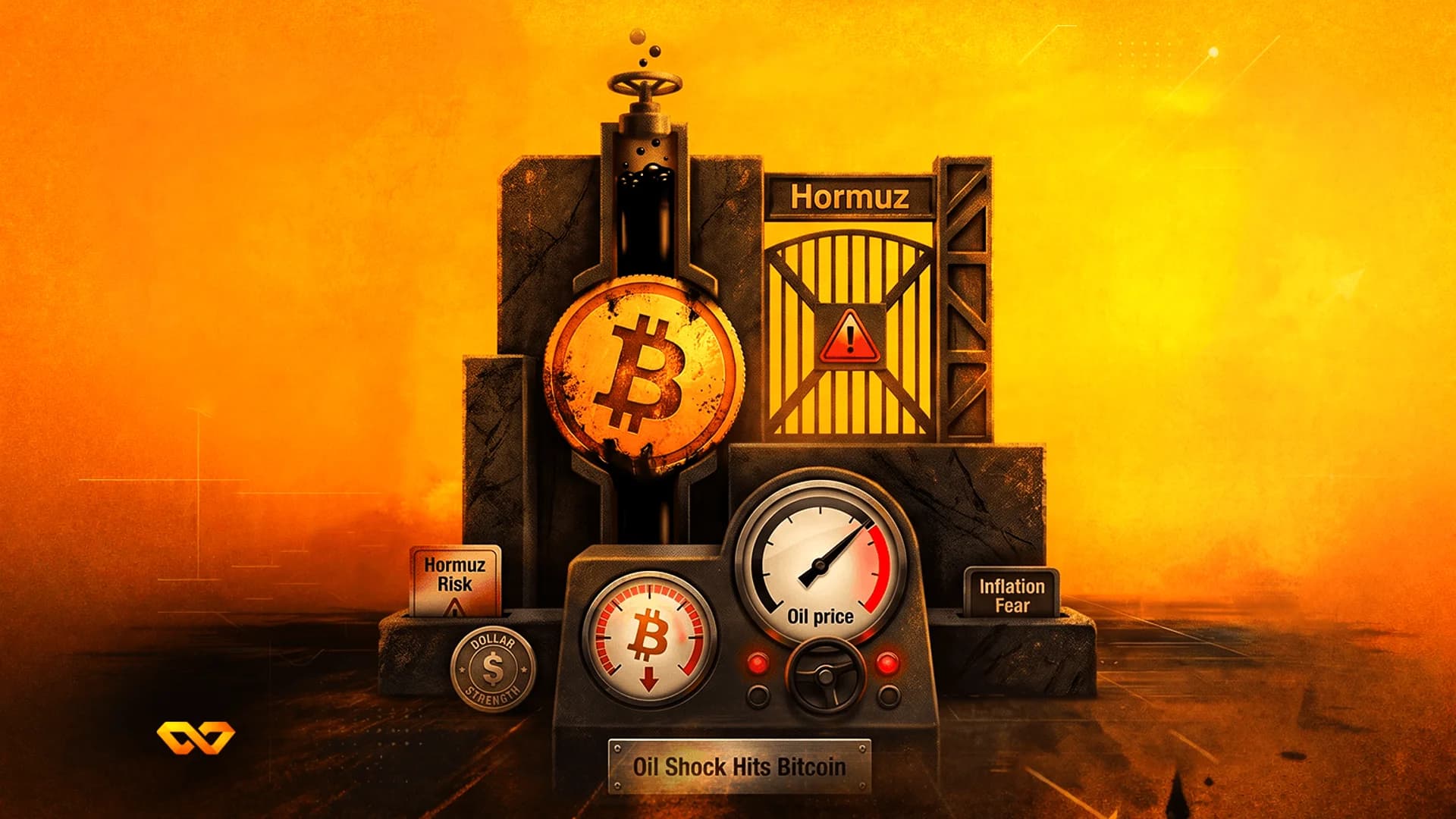
Amid rising geopolitical uncertainty, the resurgence of conflict in the Middle East has reshuffled global market dynamics, sending oil prices soaring. According to reports, this spike in energy costs has complicated the inflation outlook for Bitcoin, negatively impacting its narrative as an inflation hedge as macroeconomic conditions become increasingly volatile.
Historically, oil price surges are linked to heightened consumer price pressures, a trend reflected in recent global data where annual inflation reached 3.2% in South Korea and 32.11% in Turkey per market data. Investors fear that these energy-driven inflationary pressures could trigger tighter monetary policies and reduced global liquidity, placing significant selling pressure on high-risk assets like cryptocurrencies.
Looking ahead, traders are closely monitoring the EIA Weekly Petroleum Report to gauge inventory levels and price impact, following a reported deficit of -3.775 million barrels (as of July 1, 2026).
Latest Updates · 1
- Notable·
Update: Geopolitical tensions escalated on July 7 as the US Treasury's OFAC revoked General License X, effectively cutting off Iranian crude oil and petrochemical transactions. This regulatory shift triggered an immediate 5% surge in crude oil prices, with markets now focused on the July 17 deadline for winding down operations under the new X1 license, further intensifying liquidity concerns for risk assets like Bitcoin.