
Gold Holds Firm Amid Hormuz Strait Tensions and Stagnant US Dollar
Key Facts
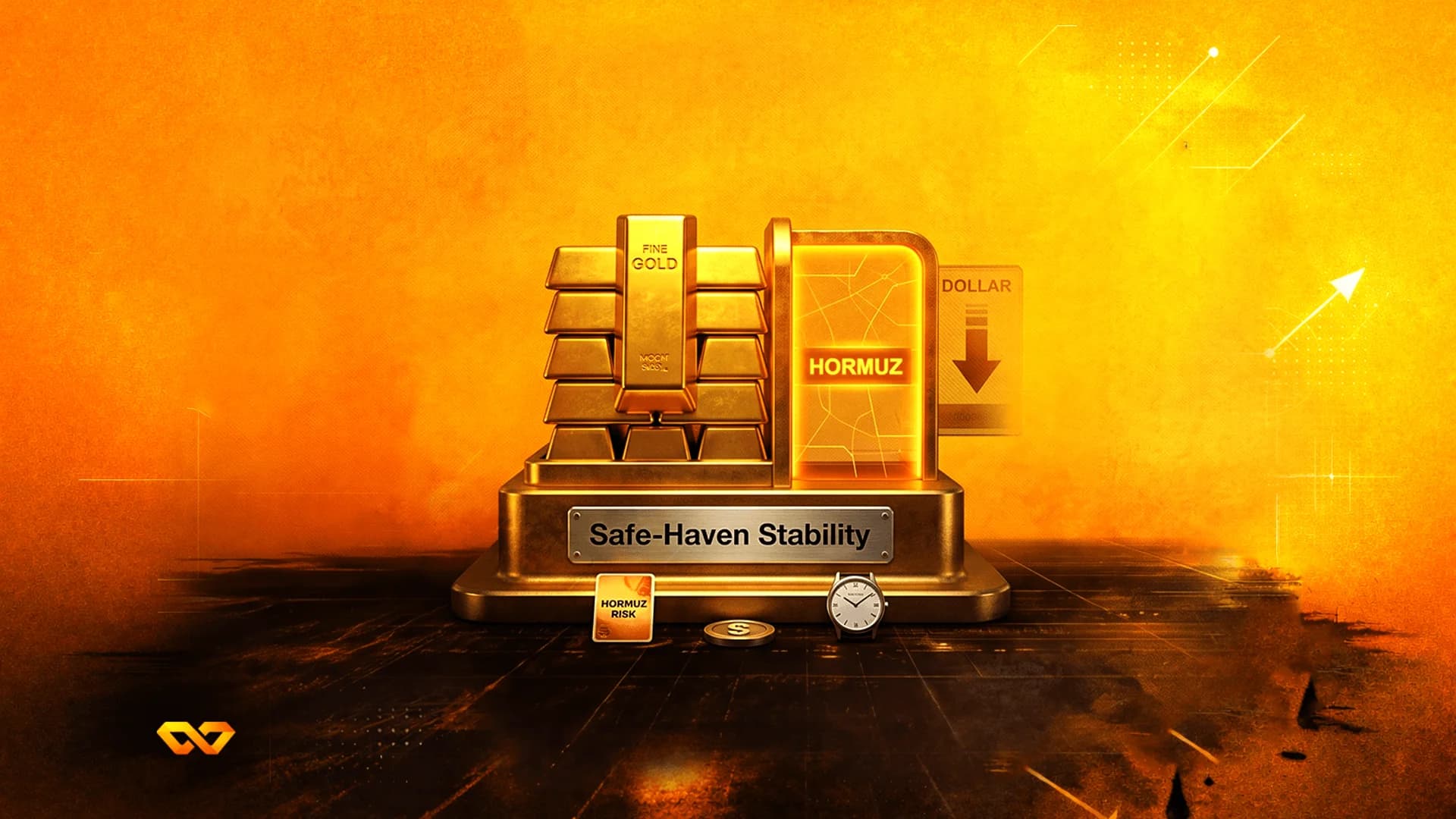
Amid escalating geopolitical risks that typically drive investors toward safe-haven assets, gold is maintaining its position following increased tensions in the Middle East. According to reports, a tanker incident in the Strait of Hormuz has placed ongoing negotiations between the United States and Iran at risk. Despite this escalation, the US dollar has failed to capitalize on the uncertainty, providing a supportive backdrop for gold prices to remain steady without pressure from the greenback.
These developments occur at a sensitive time for energy and commodity markets, as the Strait of Hormuz serves as a vital artery for approximately 20% of global oil consumption, per US Energy Information Administration data. Comparing this to previous crises, analysts at Goldman Sachs suggest that geopolitical risk remains the primary driver for gold if diplomatic negotiations continue to stall. Market data from prior sessions indicates that gold often outperforms currencies during maritime conflicts that threaten global supply chains.
On the economic front, markets are awaiting the release of the US ISM Manufacturing PMI. This data point could reshape expectations regarding dollar strength and interest rate trajectories, directly impacting gold's attractiveness as a hedging tool.