
ECB Gives Euro Zone Banks 4-Month Deadline to Counter AI Cyber Threats
Key Facts
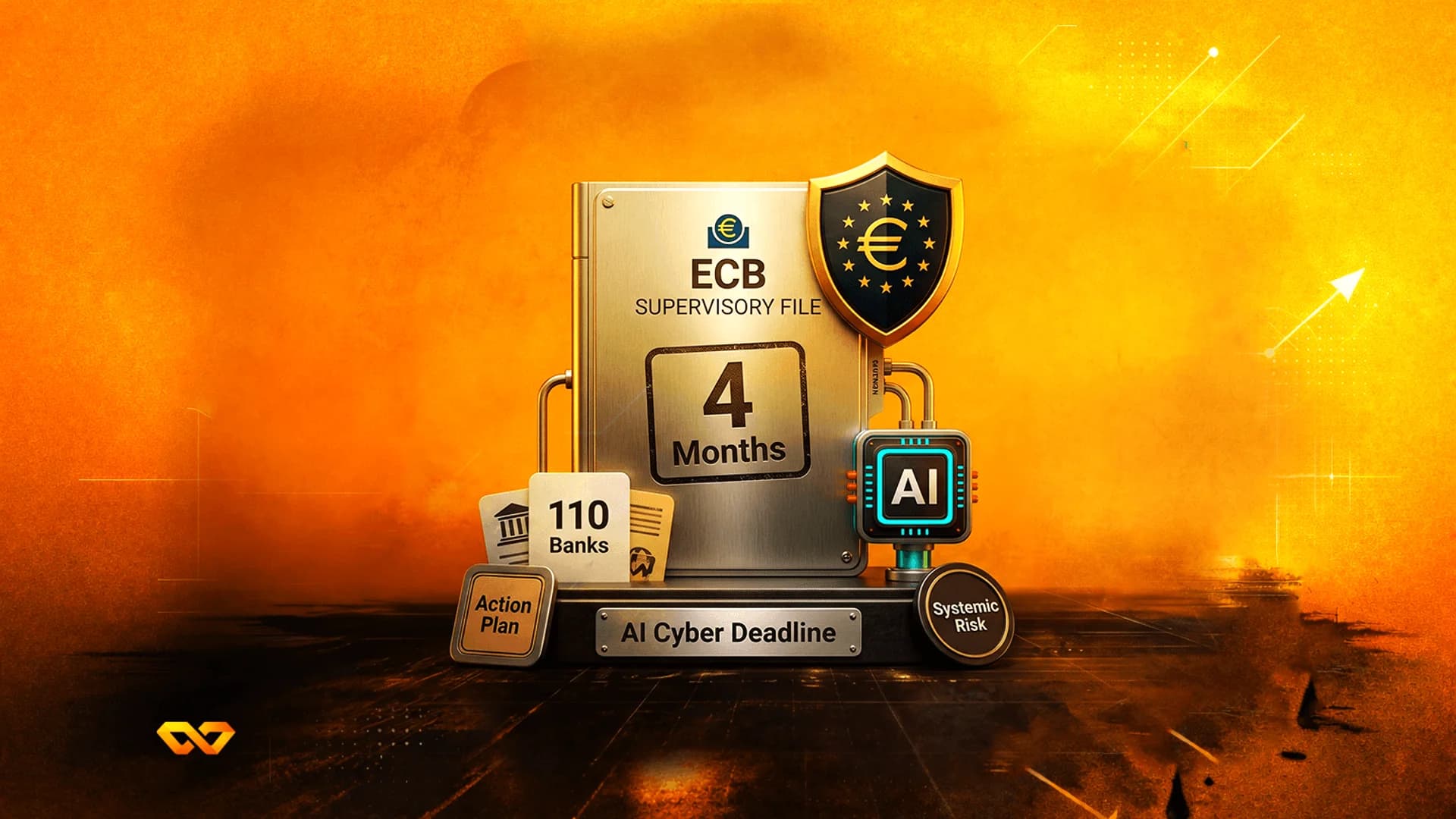
In a move reflecting growing concerns over emerging technological threats, the European Central Bank (ECB) has given euro zone banks a four-month deadline to develop strategic plans against AI-enabled cyber threats. This directive aims to prevent sophisticated AI-driven attacks from undermining confidence in the financial system or disrupting critical payment infrastructures. The mandate underscores the regulator's commitment to ensuring financial institutions are prepared for a new wave of digital risks.
This regulatory pressure comes as the financial industry undergoes a radical transformation; expert reports indicate that attackers are increasingly using generative AI to create more convincing phishing schemes and bypass traditional security protocols. Compared to other sectors, the banking industry faces rising operational costs to comply with new security standards, while major lenders like Deutsche Bank and BNP Paribas are ramping up cybersecurity investments to meet these requirements per market data.
Regarding economic data, recent figures showed the euro zone's annual inflation rate cooling to 2.8% in July 2026, below the 3% forecast, potentially allowing the ECB more room to focus on operational and technical risks. Investors should monitor further regulatory updates from the central bank, especially as manufacturing PMI indices remain volatile in major economies like Germany, which recorded a -0.3% contraction in consumer prices as of June 30, 2026.