
Japan-Linked Fleet Exits Strait of Hormuz Following Maritime Disruptions
Key Facts
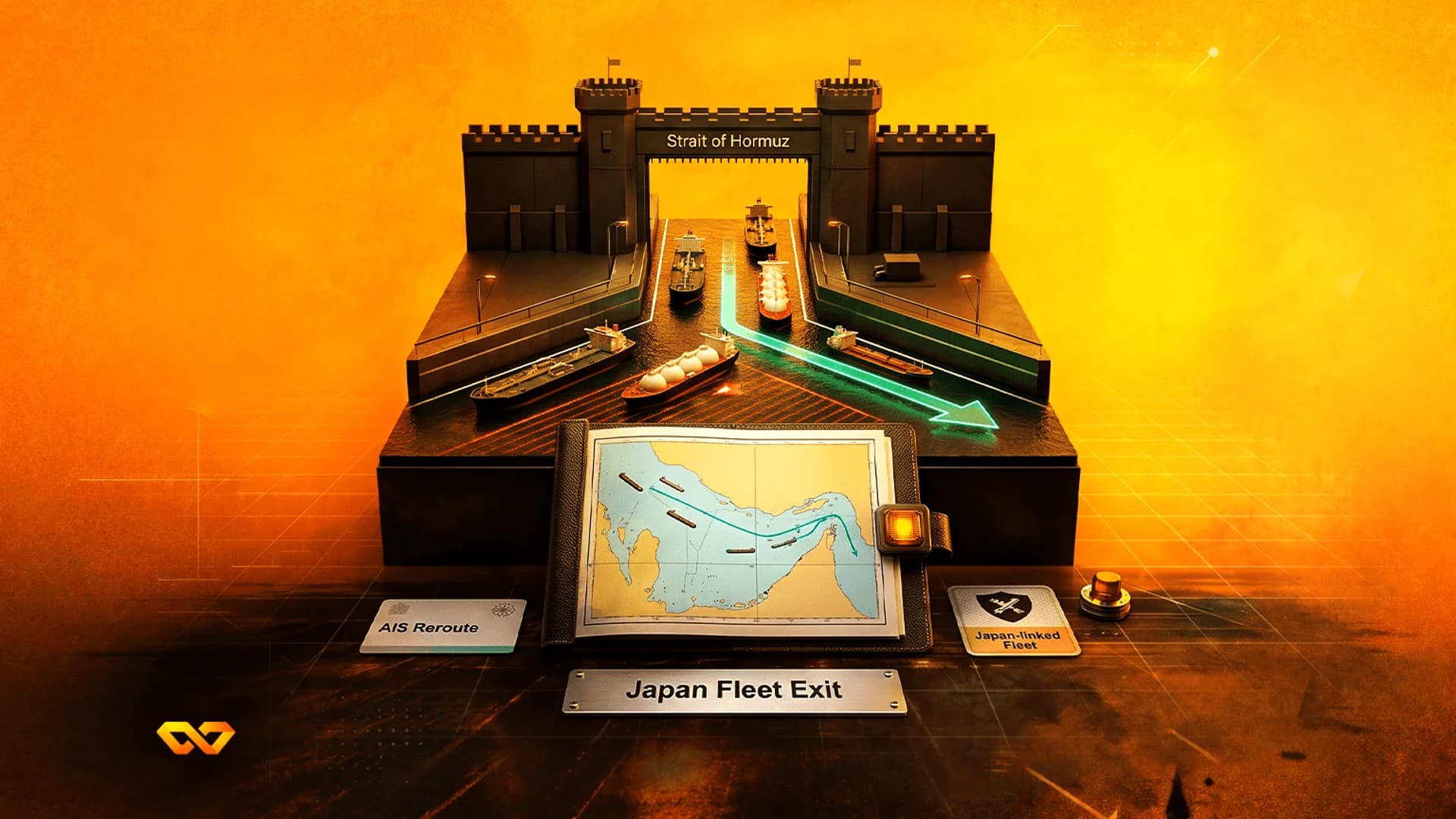
Amid escalating concerns over the security of vital waterways, ship tracking data shows a fleet of 10 Japan-related vessels has successfully exited the Strait of Hormuz. This movement follows reports of shipping disruptions and diversions where tankers were reportedly directed toward Iranian waters, sparking international concerns over maritime safety. According to reports, the fleet's successful navigation out of the strait concludes a period of cautious monitoring for Japanese operators.
Japan remains one of the largest energy importers via the Strait of Hormuz, with its economy heavily reliant on the stability of maritime supply chains. In a broader context, the region has witnessed similar incidents previously that led to spikes in maritime insurance costs, prompting firms like Mitsui O.S.K. Lines and NYK Line to tighten safety protocols. Per market data, stable navigation in this artery is critical for global energy prices and Asian trade flows.
Looking at the economic calendar, recent Japanese data showed the unemployment rate holding at 2.5% and industrial production growing by 0.5% (as of June 29, 2026), underscoring the importance of stable energy imports to support Japan's industrial sector in the coming period.