
Gold Prices Eye Fed Minutes for Breakout Above Key Technical Resistance
Key Facts
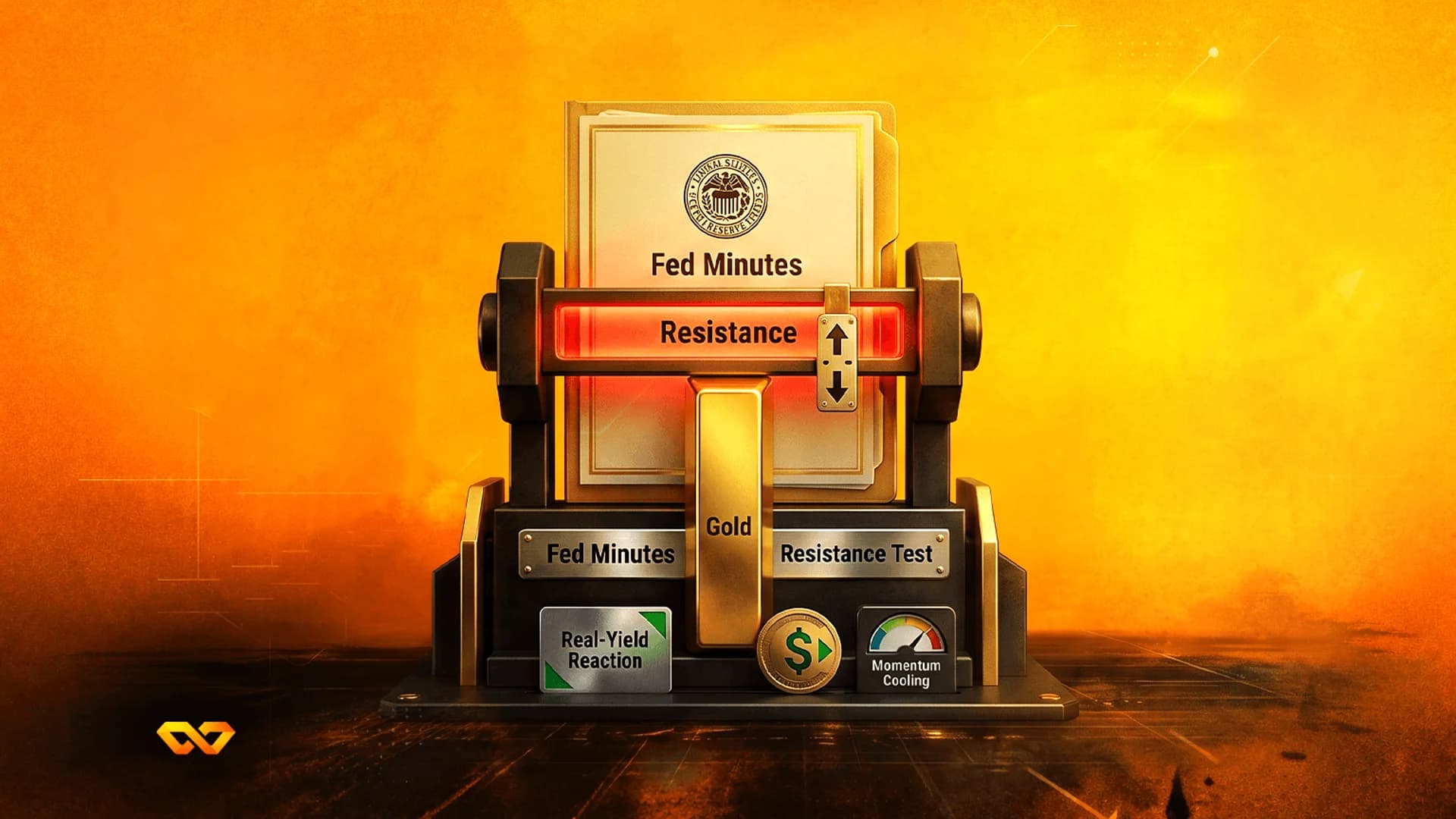
Global markets are centered on the upcoming release of the Federal Reserve meeting minutes as gold tests significant technical resistance levels. According to reports, traders are closely watching to see if the precious metal can break above its 52-week moving average, a pivotal level for determining future price action. This anticipation comes as the market seeks confirmation of a reversal bottom in XAU/USD, which could act as a catalyst for a sustained rally.
This technical movement occurs amid mixed global economic data influencing safe-haven demand, with recent market data showing relatively stable investor sentiment. Looking at peer assets, silver and platinum have exhibited sideways trading awaiting clarity on U.S. monetary policy, while the dollar index remained steady per market data. Furthermore, recent Eurozone inflation data held at 3.2% (as of June 29, 2026), reinforcing the cautious stance ahead of major central bank signals.
Technically, gold is testing critical levels that require a strong fundamental catalyst for a breakout, with the Fed minutes scheduled for July 5, 2026, serving as the primary potential driver. Investors should monitor the minutes for any hints regarding the pace of rate cuts or inflation outlooks, as a hawkish tone could hinder the desired technical breakout.
Latest Updates · 2
- Notable·
Update: Gold prices are currently facing additional technical pressure at the 20-day Exponential Moving Average (EMA), which serves as an immediate hurdle to recovery attempts. Analysts note that failing to break above this level could limit bullish momentum even if the Federal Reserve minutes provide a supportive backdrop.
- Notable·
Update: Gold has stabilized above the key psychological support level of $4,000, even as the rally momentum following the Non-Farm Payrolls (NFP) report begins to fade. As markets digest the employment data, investor focus is shifting toward upcoming inflation figures as the next primary driver for Fed monetary policy expectations.