
Iran Grants China Shipping Concessions in Strait of Hormuz to Secure Oil
Key Facts
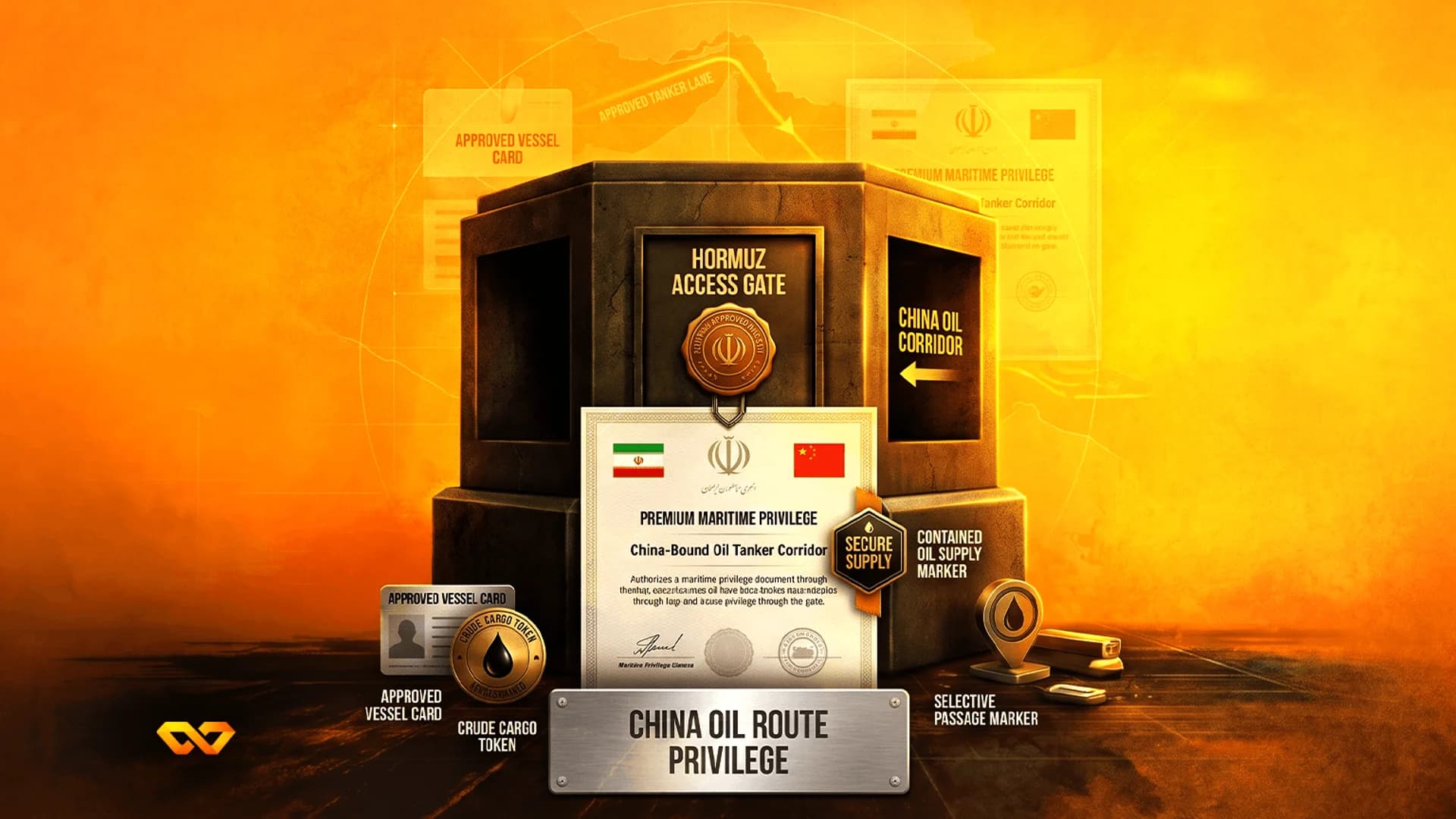
In a move reflecting the deepening strategic alliance between Tehran and Beijing, Iran's envoy to China announced granting Beijing specific concessions regarding the Strait of Hormuz to ensure stable oil flows. This development follows calls from China, the primary purchaser of Iranian crude, for the unhindered flow of shipping through the vital waterway. The agreement aims to bolster Chinese energy security as Iran reasserts control over the strategic passage, ensuring export continuity.
These concessions emerge at a critical juncture for global energy markets, as China relies on Iran for a significant portion of its oil requirements at competitive prices compared to Brent benchmarks. Per market data, nearly 20% of global oil consumption passes through the Strait of Hormuz, explaining China's urgency in securing shipping lanes. Experts suggest these bilateral concessions could expand Beijing's regional influence, following a steady rise in non-oil trade between the two nations reported by Chinese customs.
Regarding economic indicators, China's Manufacturing PMI stood at 50.3 as of June 30, 2026, signaling modest growth in industrial energy demand. Traders are closely monitoring international reactions to these bilateral maritime arrangements, which could complicate broader maritime security dynamics. Looking ahead, the market awaits key economic data from the Eurozone and the US in the coming week to gauge global crude demand trends.