
Hormuz Shipping Disruptions as Tankers Divert Toward Iranian Waters
Key Facts
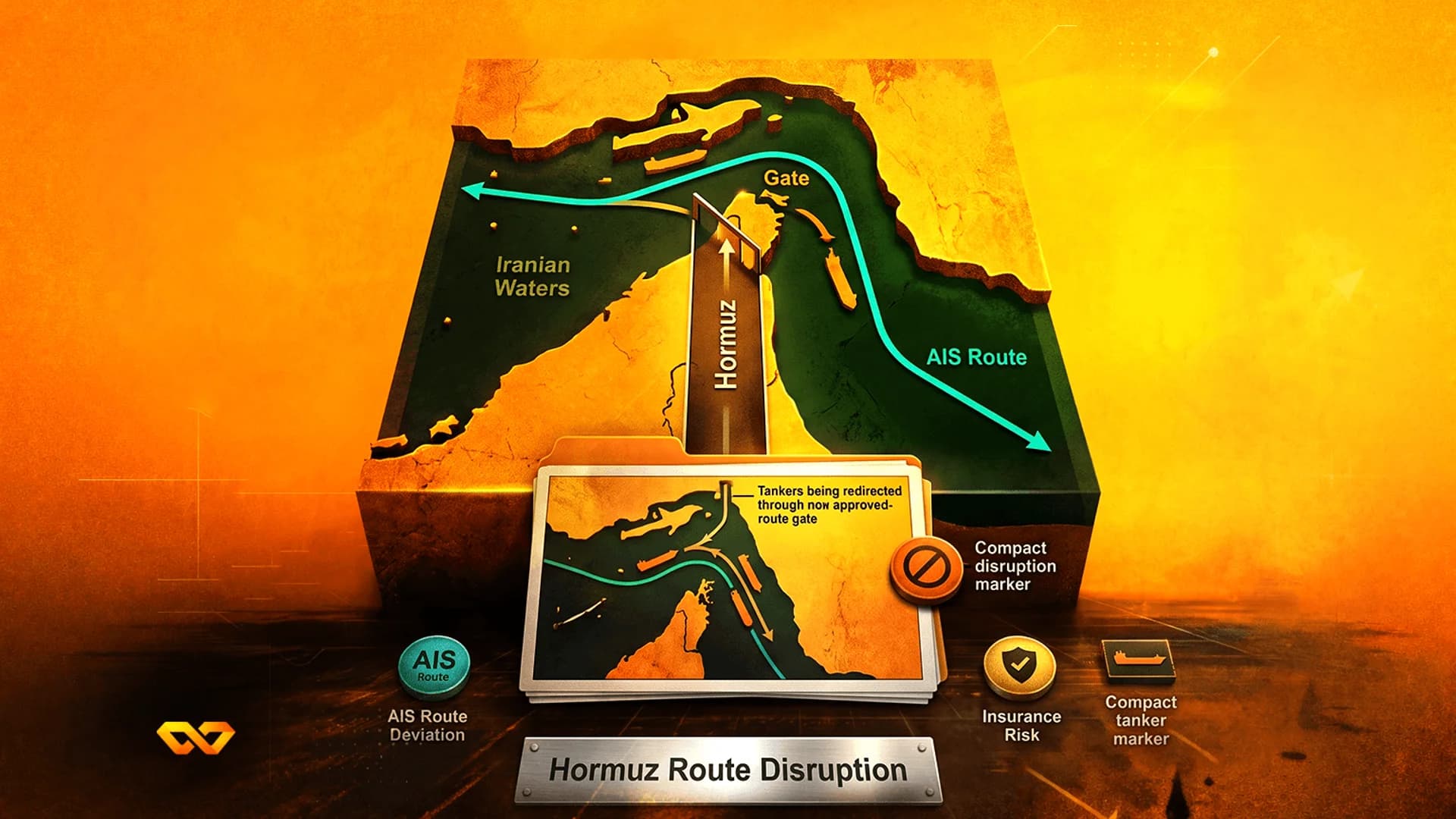
Amid escalating geopolitical tensions in one of the world's most critical energy chokepoints, the Strait of Hormuz has experienced a sudden disruption in commercial shipping traffic. According to reports, at least eight vessels, including oil tankers, abruptly reversed course near the Strait before shifting to Iran-approved maritime lanes. These maneuvers followed warnings from Tehran to Western powers that the security of the Strait remains the responsibility of coastal states, cautioning against foreign military movements in the area.
This development reflects Iran's assertion of control as a "security guarantor" in the waterway, reacting to UK and French readiness for freedom-of-navigation operations. Historically, any threat to oil flows through Hormuz adds an immediate risk premium to crude prices, as approximately one-fifth of global oil consumption passes through the Strait daily. Per market data, global refiners are closely monitoring these shifts for potential supply chain impacts, especially as traffic continues at lower volumes due to the re-routing.
Traders should watch for global energy market reactions, as these disruptions serve as a bullish catalyst for oil prices. Looking at the economic calendar, remarks from Eurozone officials, such as the Lagarde speech scheduled for June 29, 2026, may influence broader market sentiment and inflation expectations tied to energy costs. Additionally, China's Manufacturing PMI data on June 30, 2026, will be critical for assessing the demand side amidst these geopolitical uncertainties.