
France Faces Critical Budget Battle Amid Rising Fiscal Risks
Key Facts
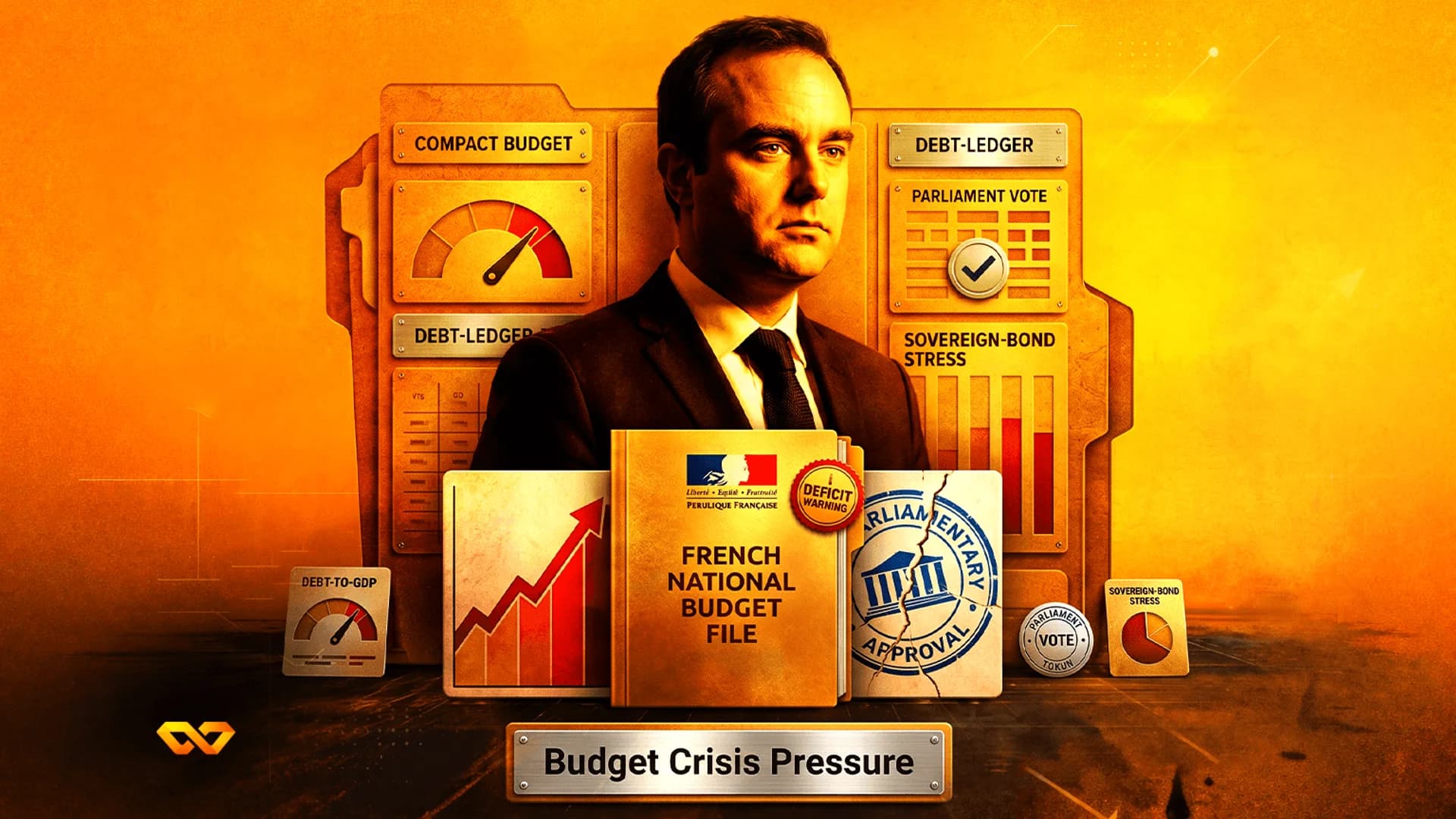
At a time when Eurozone fiscal policies are under intense scrutiny, France is confronting a pivotal budget battle as fiscal risks and financial pressures on its economy intensify. According to reports, the French government and Ministry of Finance are entering a critical legislative phase aimed at addressing rising fiscal deficits and stabilizing national finances. This situation is driven by the urgent need for fiscal consolidation amidst a climate of political and economic uncertainty.
This fiscal crisis occurs at a sensitive moment for France, the Eurozone's second-largest economy, as markets closely monitor widening bond yield spreads. Per market data, persistent fiscal instability in France typically pressures the Euro and increases sovereign borrowing costs. Compared to Germany, which has historically maintained stricter fiscal discipline according to Eurostat data, France remains under the microscope of credit rating agencies that have warned about the country's deteriorating fiscal trajectory.
Looking at recent economic data, France's annual inflation rate cooled to 1.8% as of June 30, 2026, coming in below the 2.1% forecast. Investors should watch the upcoming legislative debates in the French Parliament and the speech by ECB President Christine Lagarde on June 29, 2026, for any signals regarding regional financial stability and the impact of national fiscal policies on the broader Eurozone monetary outlook.