
Strait of Hormuz Closure Sends Brent to $127; Gabelli High Income ETF Posts 0.2% Q1 Return
Key Facts
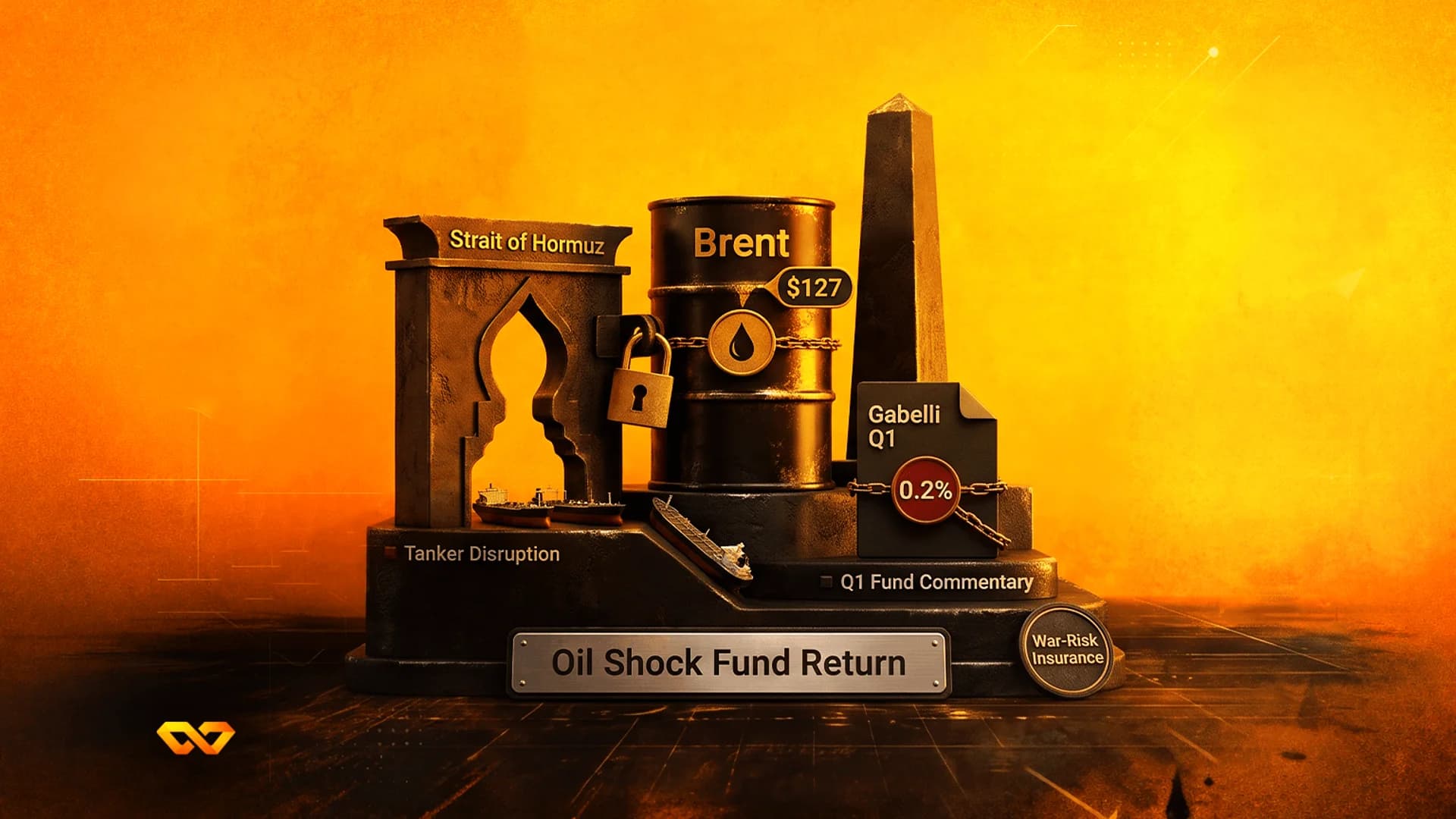
Reflecting escalating geopolitical tensions in the Middle East, the closure of the Strait of Hormuz has triggered a historic oil price surge that is impacting global markets and high-yield credit. According to Gabelli High Income ETF's Q1 2026 commentary, the fund posted a 0.2% NAV total return, slightly outperforming its benchmark. Brent crude surged from $61 to $127 per barrel after Operation Epic Fury halted oil transportation through the Strait of Hormuz. High-yield new issuance totaled $79.8 billion in Q1, compared to $68.3 billion a year earlier.
The oil price spike represents an unprecedented supply shock, with Brent crude remaining above $120 per barrel according to market data. For the week ending June 24, the U.S. Energy Information Administration reported a larger-than-expected draw of 6.088 million barrels in crude inventories, reinforcing supply tightness. In the bond market, high-yield issuance rose year-over-year despite geopolitical uncertainty, indicating steady investor demand for yield.
Markets are now focused on diplomatic efforts to reopen the Strait of Hormuz, as well as the U.S. Federal Reserve's bank stress test results due June 24, which will test bank resilience to oil price shocks. OPEC meetings and Chinese demand remain key drivers for oil. Investors should monitor regional developments, as crude prices are likely to remain volatile amid risks of escalation or de-escalation.