
Sharp Drop in Oil Tanker Traffic Through Strait of Hormuz After US-Iran Strikes
Key Facts
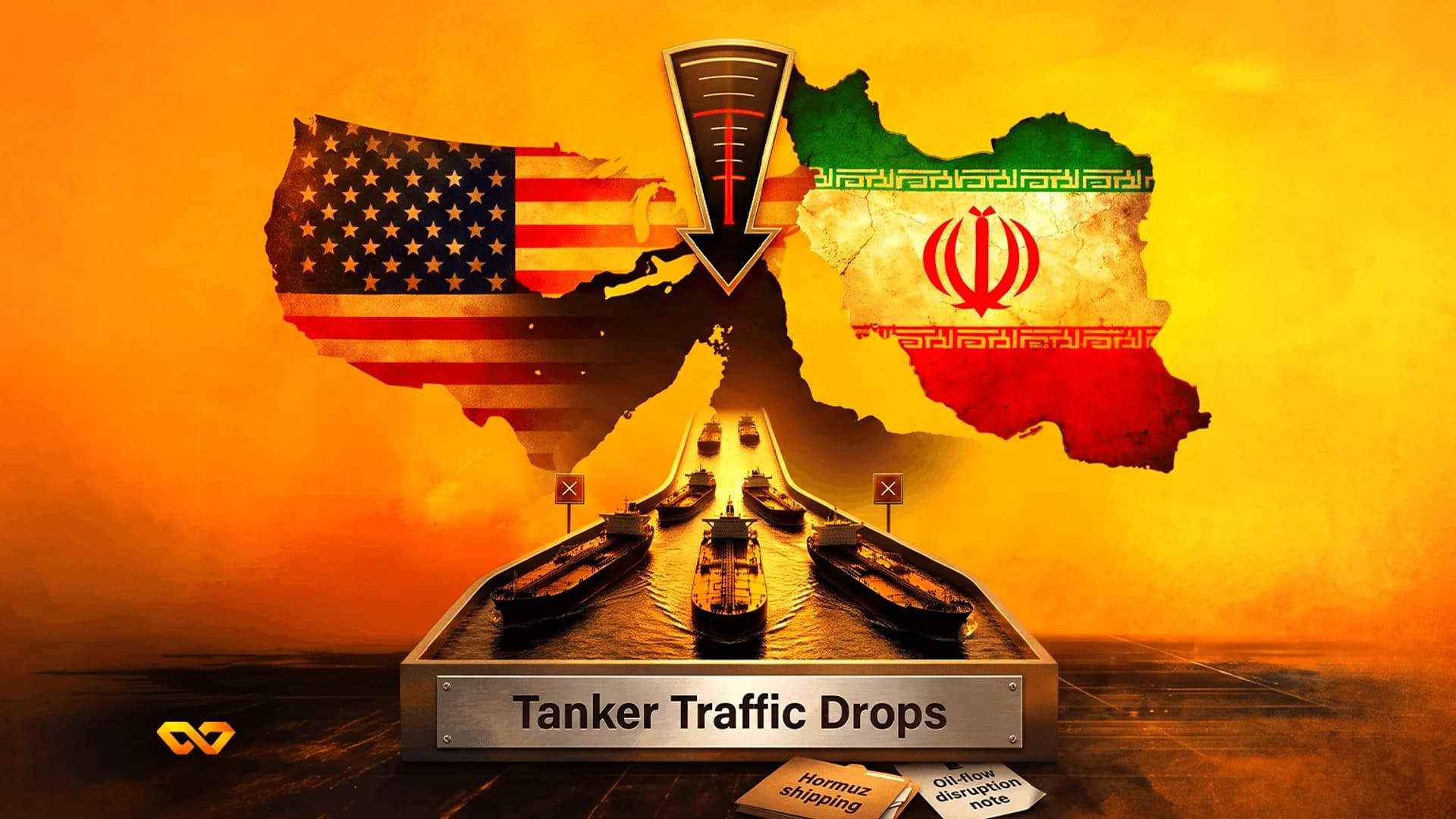
In a development that threatens navigation security in one of the world's most critical oil chokepoints, tanker traffic through the Strait of Hormuz has plunged sharply since late last week. According to reports, shipowners have frozen operations amid renewed hostilities between Iran and the United States. Sources indicate that Iran attacked the Panama-flagged tanker Kiku, which was carrying more than 2 million barrels of crude oil on June 28. US forces conducted retaliatory strikes on multiple targets in Iran in response to attacks on vessels near the strait.
This escalation follows a period of relative calm in the region over recent months. The Strait of Hormuz is a vital passage for approximately 20% of global oil supply, making it a sensitive chokepoint for energy markets. Such disruptions typically trigger sharp oil price spikes due to supply disruption fears, especially with tensions persisting without immediate signs of de-escalation.
Investors are closely monitoring military developments in the region, as any further escalation could lead to a sharp jump in oil prices. Traders also await responses from major consuming nations, particularly the US and China, and the potential use of strategic reserves to offset any supply shortfall. Price movements remain contingent on the duration of the navigation disruption through the strait.