
Massive Oil Exodus from Strait of Hormuz Threatens Global Supply
Key Facts
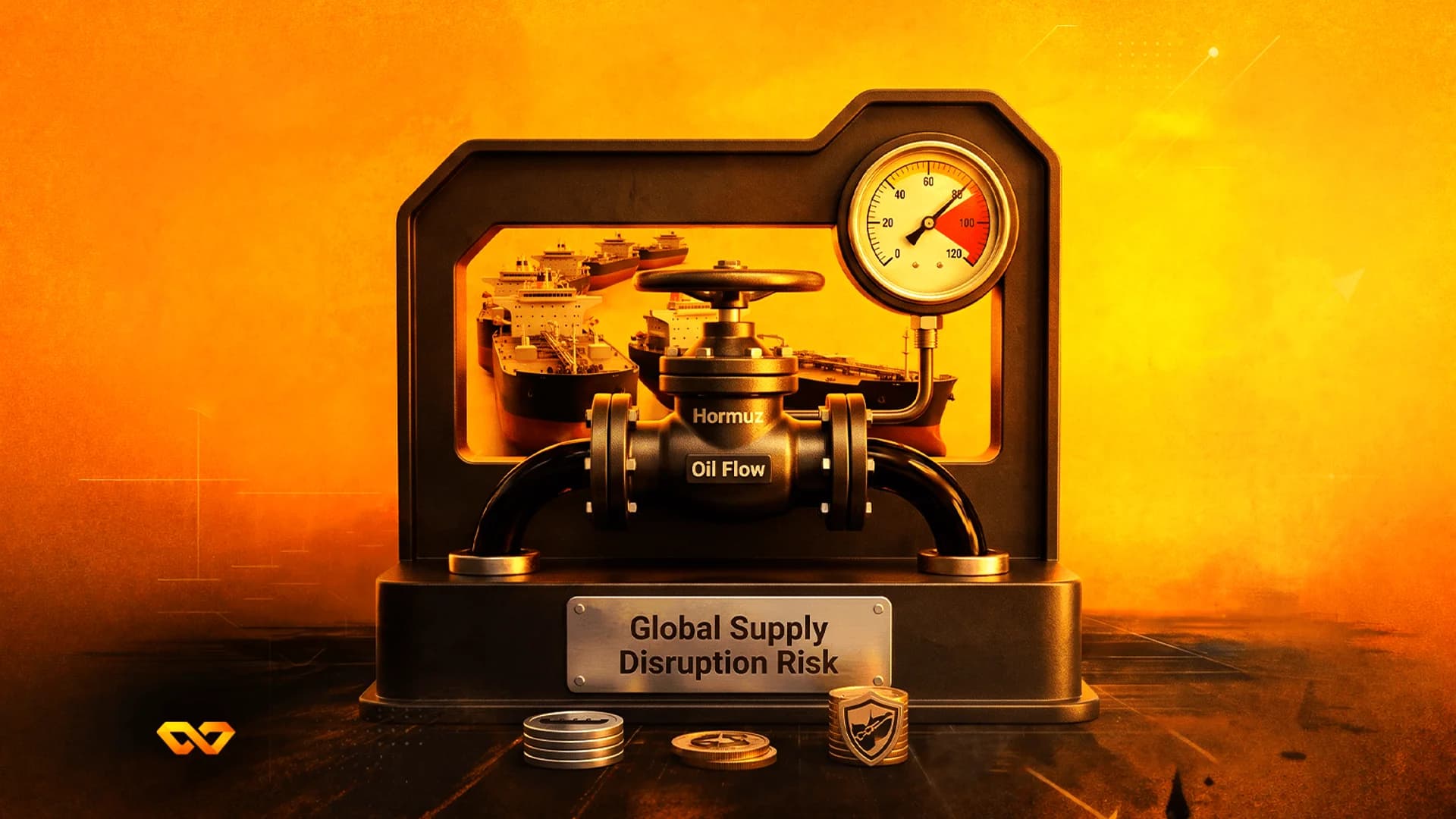
The Strait of Hormuz, through which about 20% of global oil passes, is a geopolitical flashpoint threatening energy market stability. According to a Reuters report, a massive oil exodus from the strait is redirecting global flows, with tankers rerouting away from the vital waterway, setting the stage for a chaotic rebalancing of oil markets.
These developments come at a time when markets are already facing supply-side pressures; data from the U.S. Energy Information Administration released on June 24 showed crude oil inventories fell by 6.1 million barrels, exceeding analysts' forecast of a 4.5 million barrel draw, per preliminary data. Brent crude oil prices have risen to around $85 per barrel in recent trading, supported by supply shortage fears.
Traders are closely watching for any official statements from Iran or the United States regarding the situation in the Strait of Hormuz, as any escalation could trigger sharp price spikes. Markets are also awaiting the next weekly inventory data from the American Petroleum Institute to assess whether supply contraction continues, with expectations of sustained volatility.