
Iran-US tensions lift Brent amid missile strikes, Doha talks
Key Facts
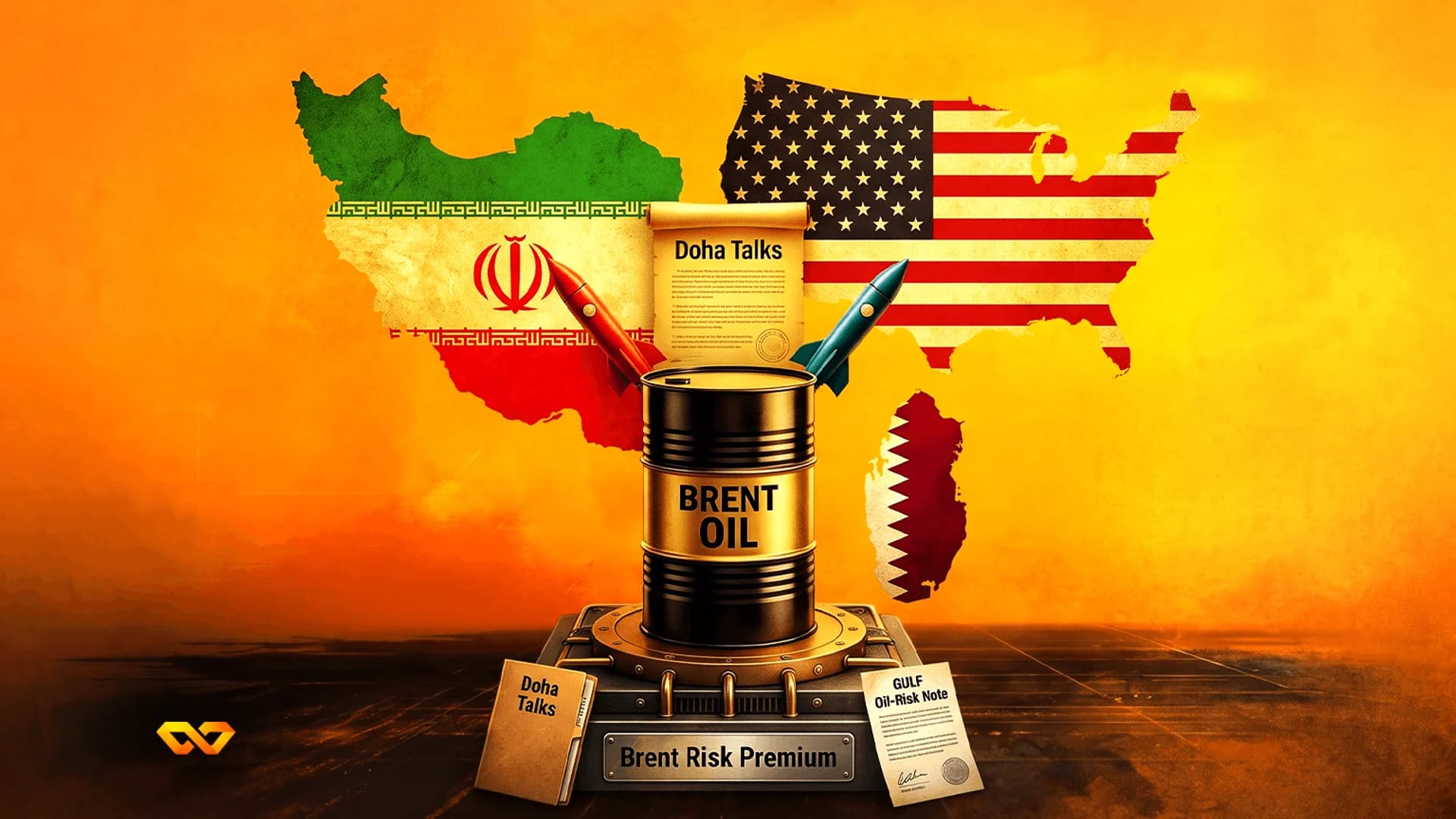
As geopolitical risks escalate in the Middle East, the Strait of Hormuz emerges as a critical flashpoint threatening global oil supplies. Iran's president called Trump's comments 'unreasonable boasting and unfounded threats,' stating that understanding is mutual if the US adheres to the MOU. Both Iranian and US negotiating teams are traveling to Doha this week, but Tehran insists no direct talks are planned. Over the weekend, missile and drone exchanges occurred, with the US bombing Iranian military facilities and Iran striking American sites in Kuwait and Bahrain.
Data from the American Petroleum Institute (API) showed a draw of 0.765 million barrels in US crude inventories for the week ending June 23, while the EIA report recorded a larger decline of 6.088 million barrels, adding supply-side pressures. The Strait of Hormuz is a vital chokepoint for roughly 20% of global oil shipments, and any significant disruption could trigger sharp price spikes. Analysts warn that sustained escalation could push Brent crude toward $90 per barrel or higher.
Markets will focus on Doha talks this week as both sides attempt to de-escalate before tensions spiral further. Failure to secure a ceasefire could sustain the risk premium in oil prices. Investors also await any official statements from US or Iranian officials that might signal a path toward negotiations or a return to direct talks.