
Persistent Strait of Hormuz Shipping Risks Could Rebound Oil Prices
Key Facts
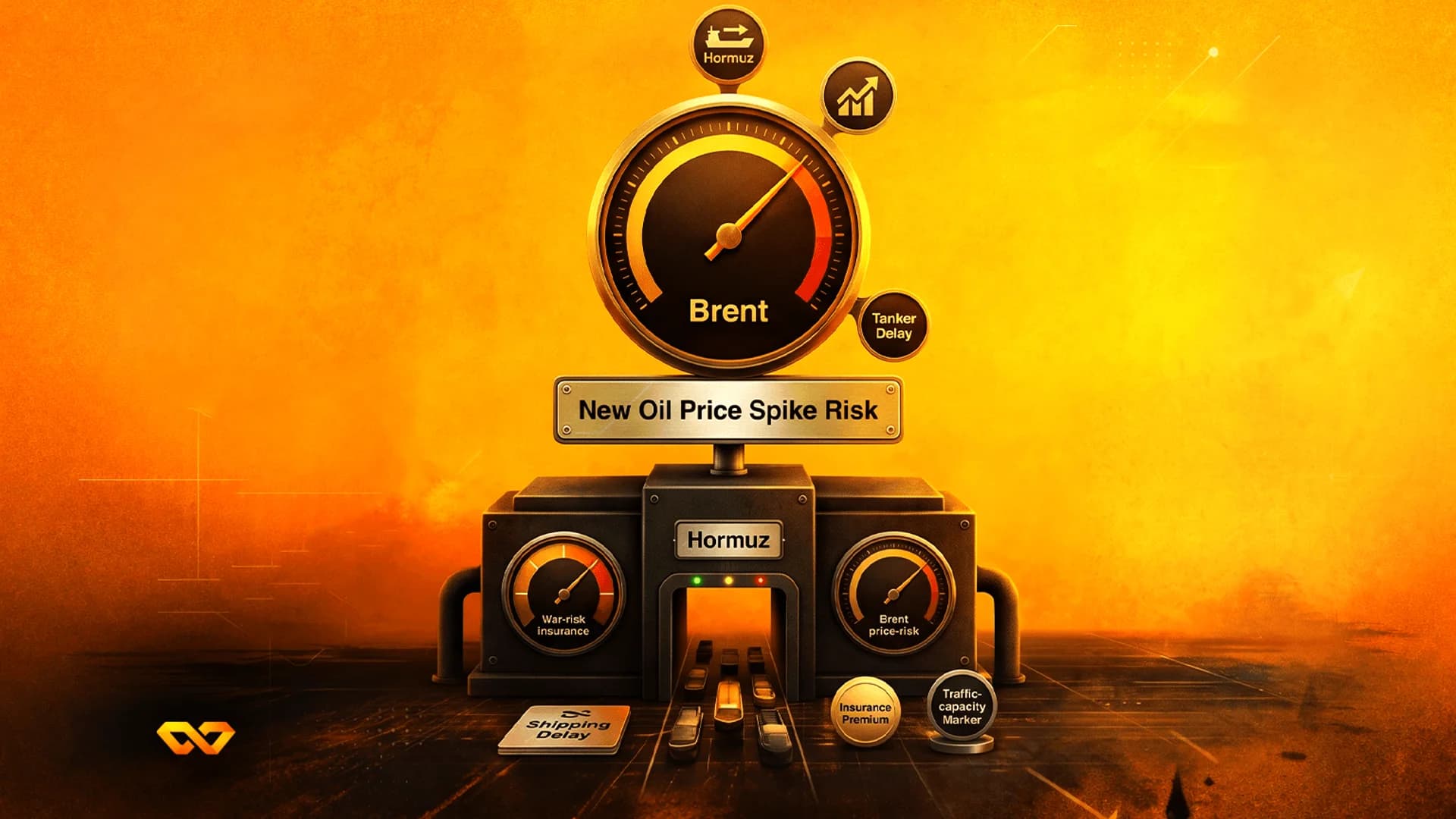
As oil prices hold relatively steady, supply risks in the Strait of Hormuz are re-emerging as a potential price-supporting factor. According to a CNBC report, shipping through the strait is unlikely to rebound quickly to pre-war levels due to unclear ceasefire terms, higher insurance costs, and mine risks. Reports also indicate that Iran is expected to continue leveraging its influence over the strait to push for greater control over vessel traffic.
Amid these geopolitical risks, recent U.S. weekly inventory data reinforced the bullish outlook. The American Petroleum Institute (API) reported a 0.765-million-barrel draw on June 23, while the Energy Information Administration (EIA) data on June 24 showed a larger 6.088-million-barrel decline, signaling sustained demand in the world's largest oil consumer. Oil prices remain near pre-war levels, suggesting that any escalation in the Strait of Hormuz could trigger a sudden price spike.
Traders will closely watch upcoming weekly U.S. inventory reports as well as any diplomatic developments concerning negotiations with Iran. The market appears not yet to have fully priced in the risk of supply disruptions through the strait, leaving room for sharp upside moves if tensions escalate. Meanwhile, continued output restraint from OPEC+ could increase the market's sensitivity to any supply outage.