
Oil and Gas Prices Slide After Preliminary US-Iran Peace Framework Announced
Key Facts
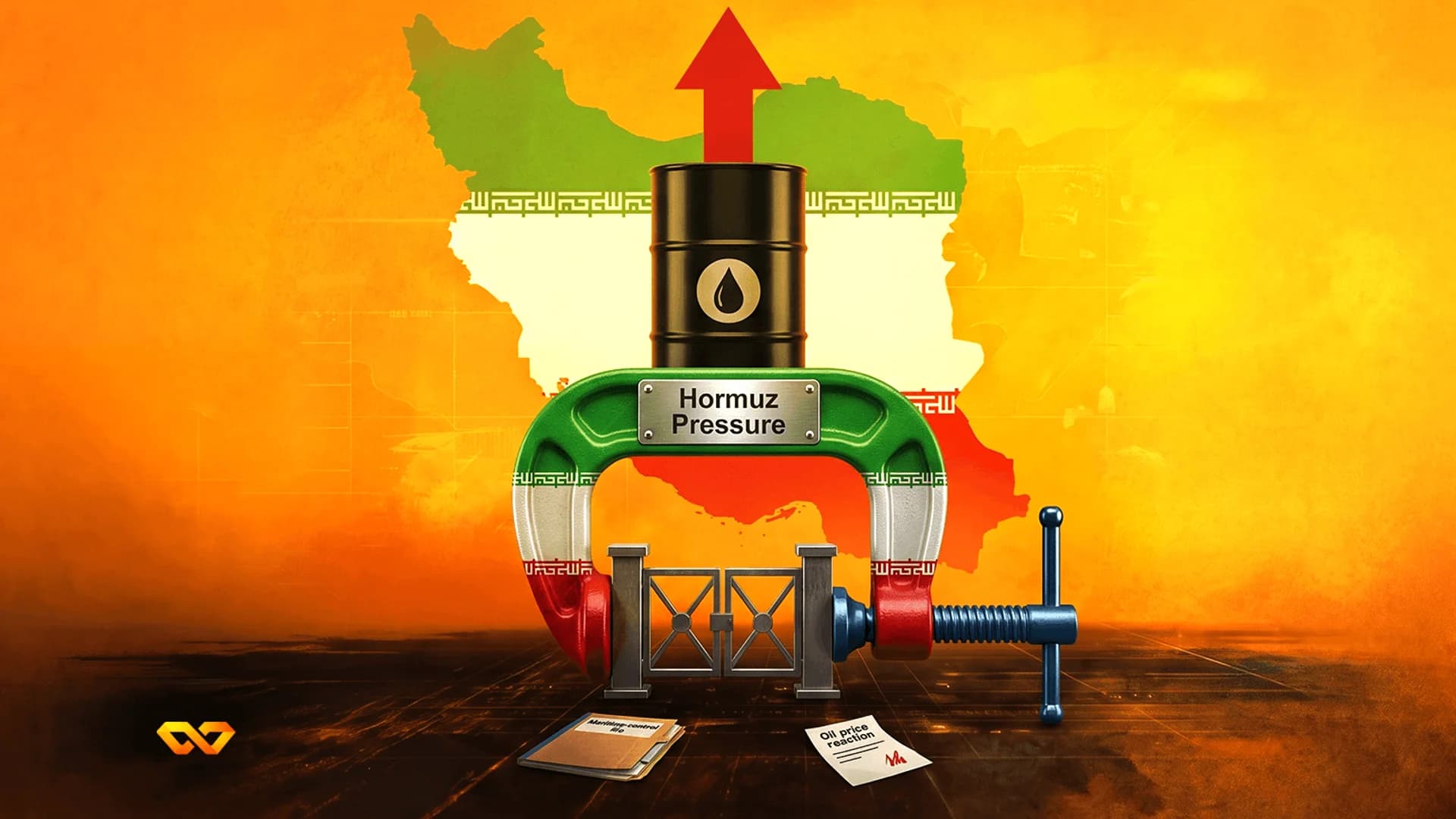
In a surprising turn that alters the crisis trajectory, reports emerged of a preliminary peace framework (MoU) between the US and Iran, easing fears of energy disruptions in the Gulf region. The announcement sent Dutch natural gas futures plunging to a two-month low before steadying, while oil prices also retreated after having risen on earlier mutual strikes.
This development follows days of military escalation that threatened the fragile truce in the Strait of Hormuz, where the strikes had renewed market uncertainty. However, the preliminary peace framework contradicts that hostile picture and pushes toward a détente that could restore some oil and gas flows. Per market data, European gas prices remain above pre-conflict levels, indicating lingering caution among traders.
Traders await details of the MoU and both parties' commitment to it, amid expectations of regional or international diplomatic involvement. Short-term volatility in European gas markets is expected, while oil may continue to decline if the peace momentum holds. Analysts will watch the opening of U.S. and European sessions for initial market reactions.
Latest Updates · 4
- Notable·
Update: President Donald Trump announced via social media that the U.S. and Iran will hold fresh talks in Doha on Tuesday, following weekend clashes that heightened tensions. This announcement adds a temporal and geographic dimension to the preliminary peace framework, with traders awaiting the outcome to gauge the seriousness of the détente and its impact on oil and gas prices.
- Notable·
Update: U.S. stock futures rose in early European trade as investors cautiously returned to risk, following reports that Washington and Tehran have resumed peace talks. This development reinforces optimism around the preliminary peace framework, potentially supporting risk assets at the expense of safe havens.
- Notable·
Update: Informed sources confirmed that the agreement between Washington and Tehran includes an immediate cessation of attacks, with both parties set to hold a summit in Qatar next Tuesday to discuss details of the Strait of Hormuz. This concrete development follows days of military escalation that looked like war, boosting expectations of near-term stability in energy markets.
- Notable·
Update: In a fresh security development, an Aramco helicopter crashed at the Saudi port of Ras Tanura, killing at least 14 Saudis, hours after renewed strikes between the U.S. and Iran threatened the fragile truce over the Strait of Hormuz. The incident adds further pressure on oil markets, raising concerns about the impact on vital energy infrastructure at a time when prices depend on steady supply flows. Focus now shifts to any Saudi response or further security developments that could amplify volatility.