
Headline PCE Hits 4.1% YoY in May; Monthly 0.4% Matches Consensus as Consumer Spending Accelerates
Key Facts
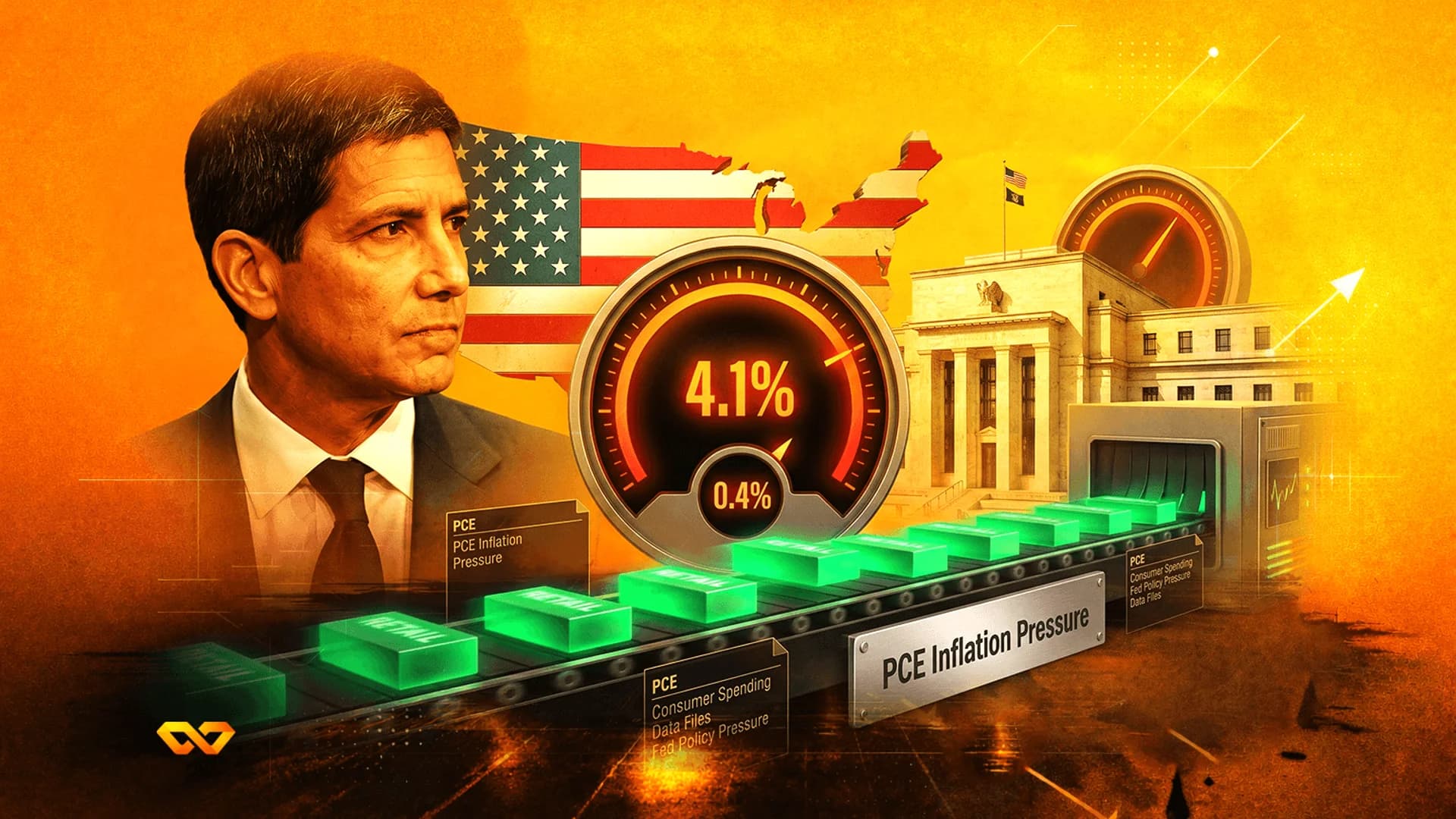
Against a backdrop of anticipation for the next Federal Reserve decision, the headline Personal Consumption Expenditures (PCE) price index for May, released on June 25, 2026, rose 4.1% year-over-year, the first reading above 4% since April 2023, matching economists' expectations. The monthly index increased 0.4%, in line with the Bloomberg consensus, contradicting earlier speculation of a higher figure. The data also showed a pickup in consumer spending, underscoring resilient demand despite inflationary pressures.
Although the monthly rise matched forecasts, core PCE (excluding food and energy) remained elevated at 3.4%, according to prior data. Crude oil prices have fallen over 10% in the past month, per market data, likely easing headline inflation in the coming months but not altering the sticky services inflation picture.
Investors now look to producer price index and consumer confidence data due next week to confirm the inflation trajectory. Traders will also monitor Fed officials' remarks for clues on whether the mixed reading—high annual inflation but a monthly figure in line with expectations—warrants a pause in rate hikes. Volatility is expected as markets reassess the odds of further tightening.
Latest Updates · 3
- Notable·
Update: Following the PCE release, Bitcoin dropped to its lowest level in a year amid heightened rate hike expectations, per market data. The CME FedWatch tool now assigns an 82.2% probability of a Fed rate hike by December, with 29.9% in July and 64.9% in September.
- Notable·
Update: Commerce Department data showed the personal-consumption expenditures (PCE) price index rose 0.4% in May, matching April's pace, confirming persistent month-over-month inflation pressures. The reading aligns with the elevated annual figure above 3% and reinforces market bets on further policy tightening.
- Notable·
Update: Fox Business reports attribute this inflationary acceleration to an energy price shock caused by the Iran war, adding a geopolitical dimension to the price pressures. Sources indicate oil supply disruptions linked to the conflict contributed to higher energy costs, directly impacting the core PCE price index.