
Tanker Rates Skyrocket as Hormuz Reopens and Producers Rush to Clear Oil Backlog
Key Facts
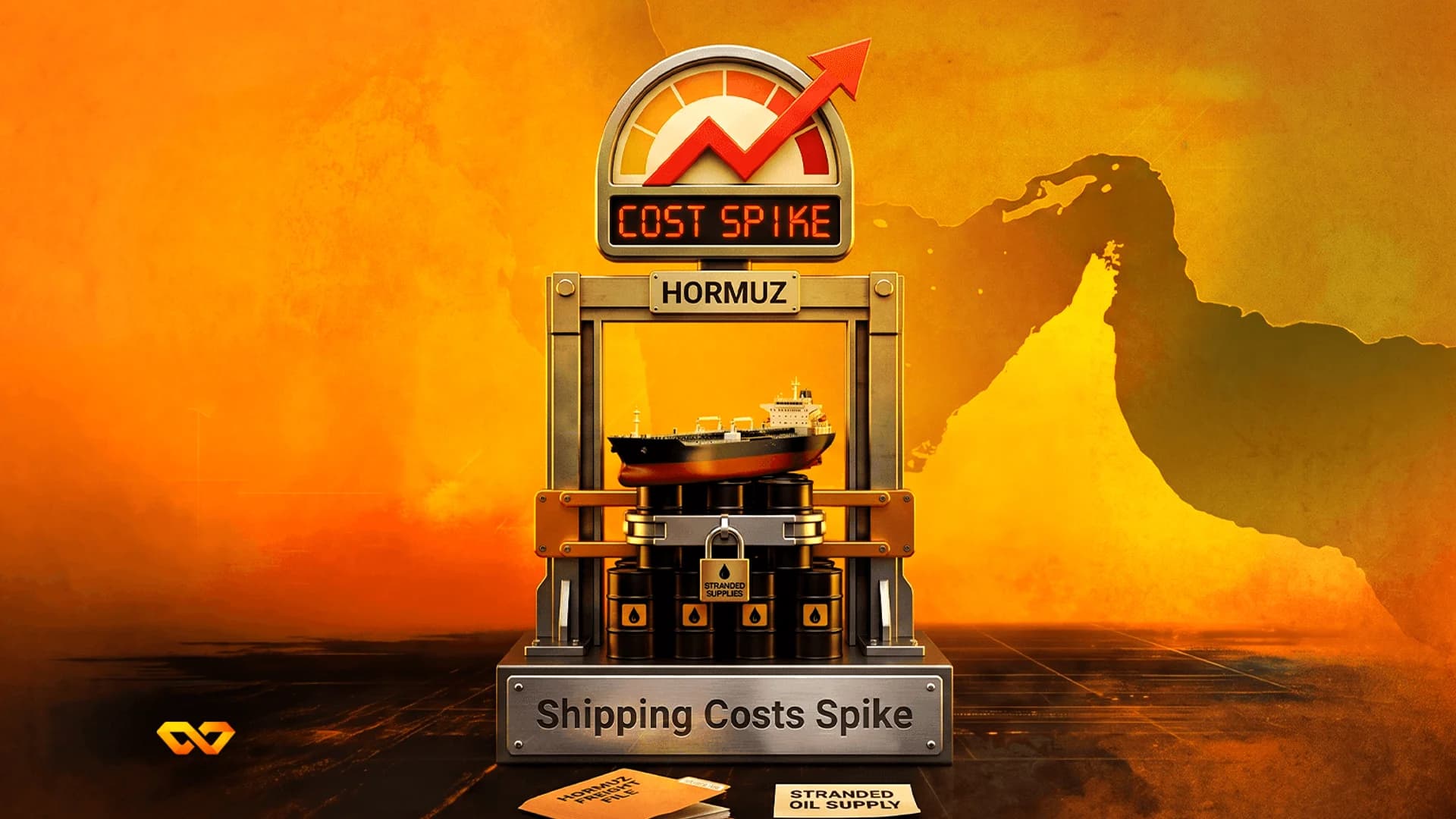
In a move reflecting sudden supply-demand imbalances following a geopolitical breakthrough, oil shipping costs in the Persian Gulf have experienced a massive surge. Tanker hiring costs nearly doubled in a single week, reaching approximately $190,000 per day, while daily earnings for some Very Large Crude Carriers (VLCCs) passing through the Strait of Hormuz soared to nearly $470,000. Despite the 60-day ceasefire agreement, traffic through the vital waterway remains well below pre-crisis levels according to reports.
This explosion in rates is driven by a rush from major producers like ADNOC to move crude oil that remained stranded for months due to the previous Iranian blockade. This has created a significant vessel shortage relative to the immediate demand for transport. Looking at industry peers, shipping giants such as Frontline and Euronav have benefited from elevated spot rates in recent quarters, with market data showing that supply chain disruptions continue to bolster operational margins across the tanker sector.
Traders should closely monitor the upcoming EIA Weekly Petroleum Report, which may reflect the impact of these delayed shipments hitting global markets. The focus remains on whether the 60-day ceasefire will lead to a sustained normalization of traffic or if vessel availability will remain tight. Additionally, the return of stranded supply to the global market could exert downward pressure on Brent crude prices as logistical bottlenecks are gradually resolved.