
Gold Prices Crash Below $4,000 as Fed Shift Sparks Major Sell-off
Key Facts
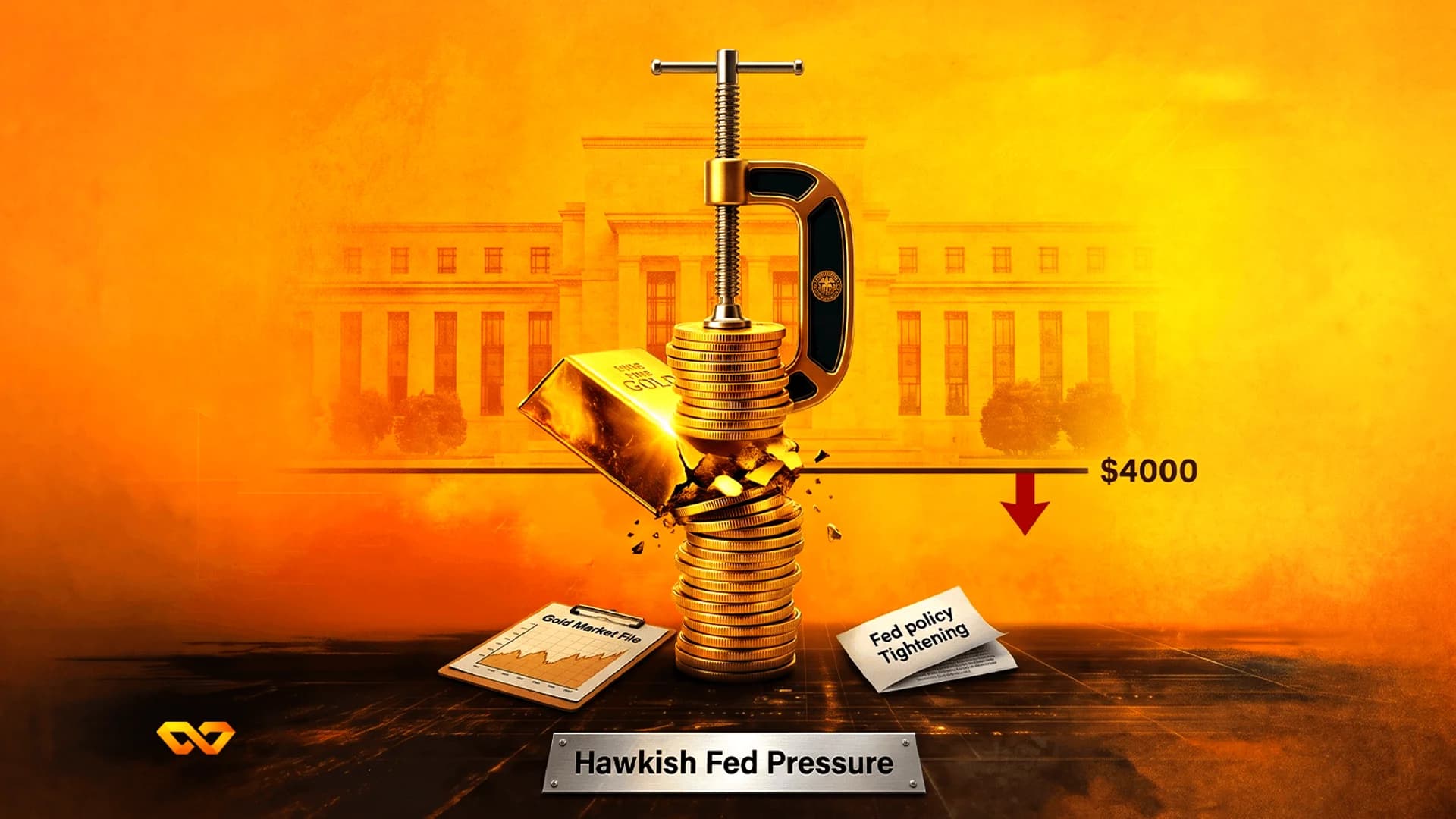
In a move reflecting a radical shift in U.S. monetary policy, gold prices plunged below the $4,000 per ounce level for the first time since November 2025, bringing total losses to 30% from January highs. This decline followed new Fed Chair Kevin Warsh adopting a hawkish tone in his inaugural meeting, stating that price stability is his overriding priority. Additionally, gold's appeal as a hedge diminished as the U.S. and Iran entered permanent peace negotiations alongside falling oil prices, reducing the geopolitical risk premium.
This crash occurs as markets undergo a comprehensive re-evaluation of safe-haven assets, with rising interest rate expectations pressuring the global financial sector. Looking at major financial peers, ING shares stood at $31.36 (close June 18, 2026), trading between a high of $31.64 and a low of $31.34, per market data. This sharp reversal in gold compares to previous historical peaks, with Goldman Sachs reports suggesting that dollar strength driven by higher bond yields remains the primary headwind for dollar-denominated commodities.
Traders should watch for upcoming technical support levels following the breach of the psychological $4,000 barrier, noting that ING closed at $31.36 on June 18, 2026. According to the economic calendar, key catalysts include UK Retail Sales and Japan's Inflation Rate data on June 19, which may further influence major currency volatility against gold. Market participants will also remain focused on additional Fed commentary to gauge the trajectory of future rate hikes.