
China Develops New LNG Hub to Facilitate Sanctioned Russian Gas Imports
Key Facts
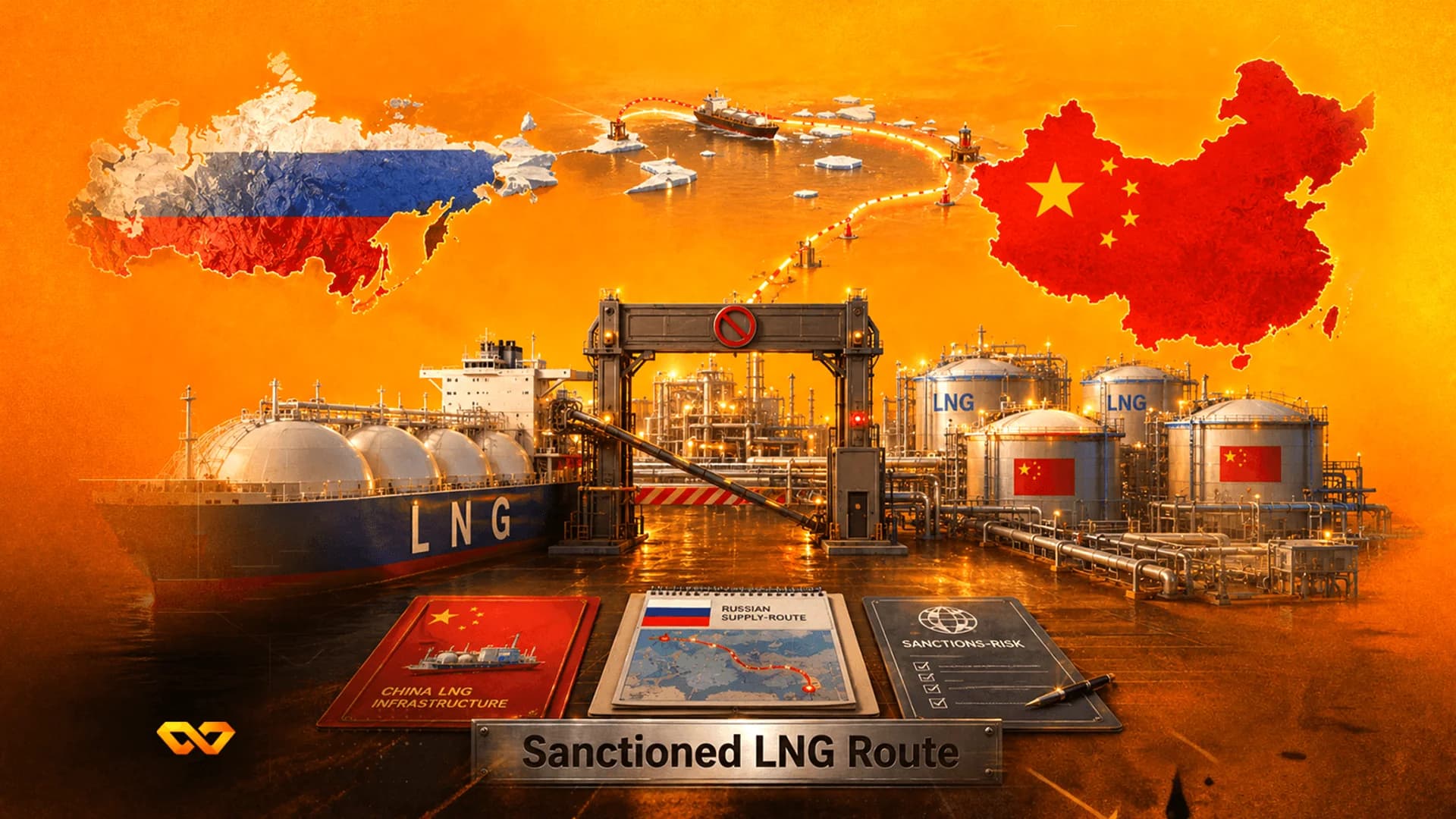
In a move reflecting the deepening strategic energy partnership between Beijing and Moscow, China has begun preparing specialized infrastructure to accommodate Russian gas. The Longkou LNG terminal in Shandong province is being readied to receive shipments from Russia's Arctic LNG 2 project, which faces extensive international sanctions. Operated by state-owned PipeChina, the terminal is expected to be fully operational before October 2026, providing a vital outlet for Russian exports.
These infrastructure developments coincide with mixed economic signals from China; industrial production grew by 4.5% year-on-year per market data on June 16, 2026, beating the 4.3% forecast. However, the consumer sector remains under pressure as retail sales contracted by 0.6%, missing the expected 0.3% decline. The construction of new gas hubs highlights Beijing's commitment to securing low-cost energy supplies to bolster its industrial base despite broader domestic demand headwinds.
Investors should monitor the construction progress at the Longkou terminal as a long-term factor influencing global LNG market balances. Looking at the economic calendar, traders will watch energy volatility following the API crude oil stock change, which showed a sharp decline of 8.33 million barrels on June 16, 2026. Additionally, upcoming central bank communications, such as the Lagarde speech, will be pivotal in assessing inflation trends and their impact on financing costs for major infrastructure projects.