
Iran Shuts Strait of Hormuz Following Israeli Strikes, Sparking Global Oil Supply Fears
Key Facts
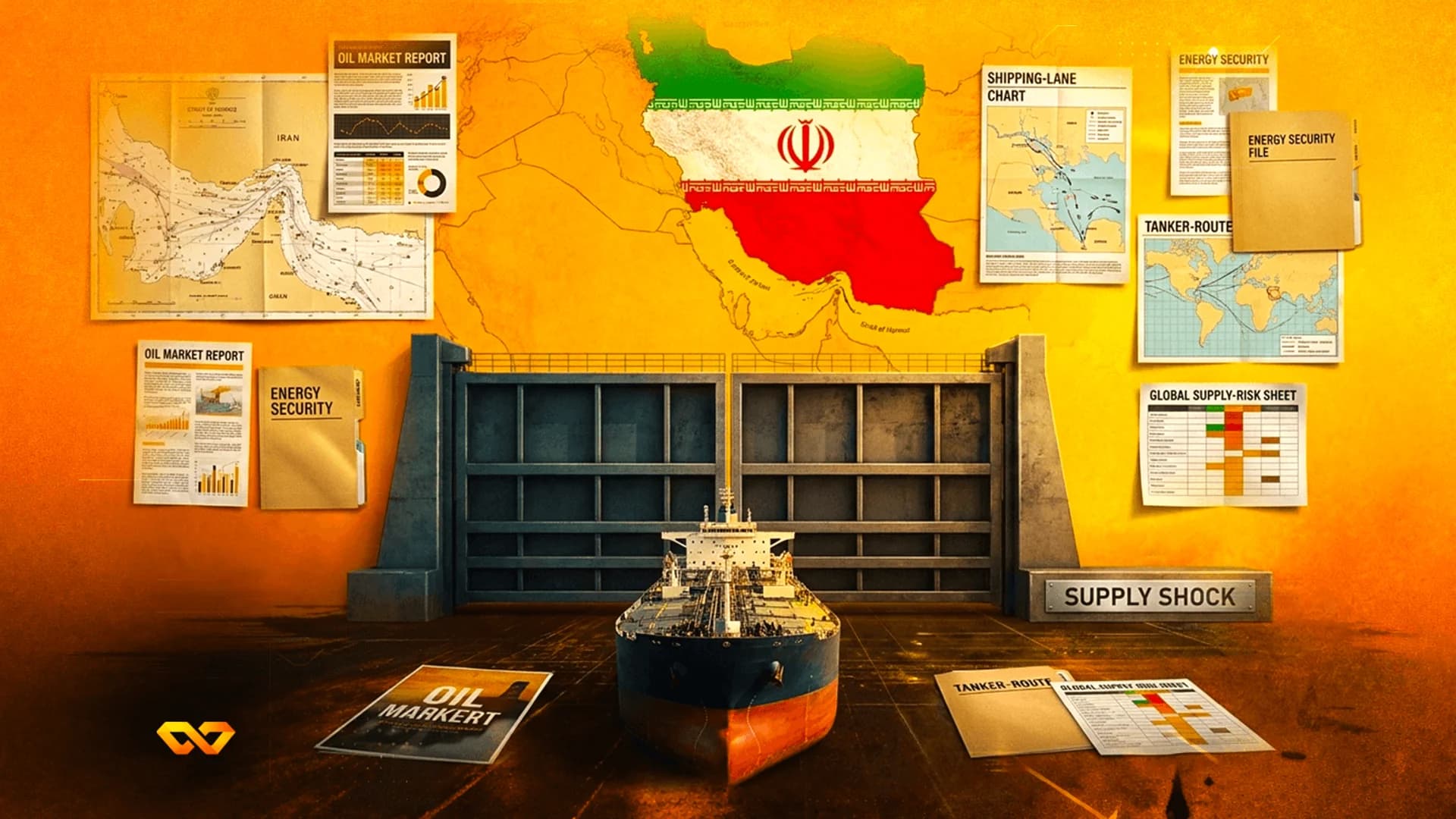
Iran announced on Saturday it has shut the Strait of Hormuz, a critical corridor for global crude shipments, marking a major escalation in regional tensions. The closure was declared as a retaliatory measure in response to Israeli military strikes conducted in Lebanon. According to reports, this transition from threats to direct action places global energy security at risk of a significant supply shock.
The Strait of Hormuz is a vital artery through which approximately 20% of the world's daily liquid petroleum consumption passes, making its closure an event with far-reaching economic consequences. Energy analysts suggest that such a disruption could push Brent crude prices toward the $100 per barrel mark if the blockage persists. Per market data, investors are now closely monitoring the response of major regional exporters to mitigate potential supply deficits.
Market participants are shifting focus to the upcoming global market opening to assess the immediate impact on crude oil prices. According to the economic calendar, traders will be looking at the API Crude Oil Stock Change data on June 16, 2026, for insights into strategic inventory levels. Additionally, international diplomatic responses in the coming days will be critical in determining if this closure leads to a broader regional military confrontation.
Latest Updates · 1
- Notable·
Update: Iran has moved toward asserting regulatory dominance over the waterway, with the Persian Gulf Strait Authority considering the imposition of mandatory insurance fees on transiting vessels. This move strengthens Tehran's administrative grip on the vital corridor, introducing new financial burdens and legal risks for international shipping companies attempting to navigate the region.