
Oil Prices Plunge 10% as Trump Signs Deal to Reopen Strait of Hormuz
Key Facts
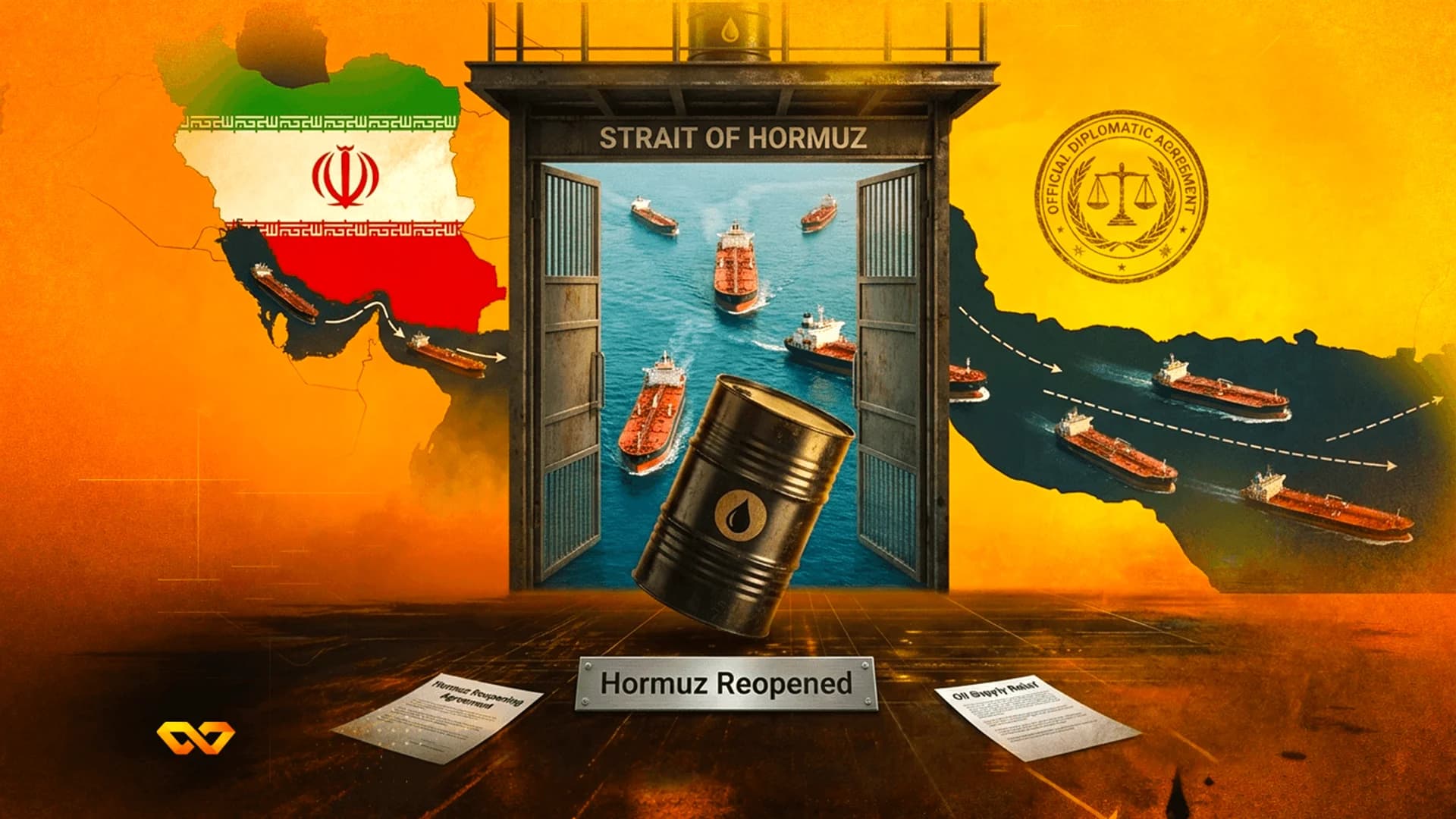
In a move that reflects a significant shift in geopolitical risk, global energy markets have reacted sharply to the easing of tensions in the Middle East. Oil prices plummeted approximately 10% this week, hitting their lowest levels since the onset of the conflict with Iran. This slump follows President Trump’s signing of a landmark deal to reopen the Strait of Hormuz, a development that has effectively neutralized immediate concerns regarding global supply disruptions through the vital waterway.
The price collapse underscores a rapid repricing of the energy sector as the risk premium evaporates. Per market data, the decline in crude has immediate implications for energy giants like ExxonMobil and Chevron, whose valuations are closely tied to benchmark prices. This supply-side relief comes amid a cooling global economic backdrop, evidenced by the UK's industrial production remaining flat (0% growth) and manufacturing production falling short of expectations in mid-June 2026, according to official economic data.
Traders should now watch for stabilization levels in crude benchmarks following the breach of multi-month supports. Key catalysts ahead include the upcoming U.S. crude inventory reports which will provide clarity on domestic demand. Additionally, market participants will monitor the implementation of the Hormuz agreement alongside scheduled central bank commentary, including a speech by the ECB's Lagarde on June 15, 2026, for broader cues on currency-driven commodity volatility.