
Trump and Iranian President Formally Sign MOU to End War
Key Facts
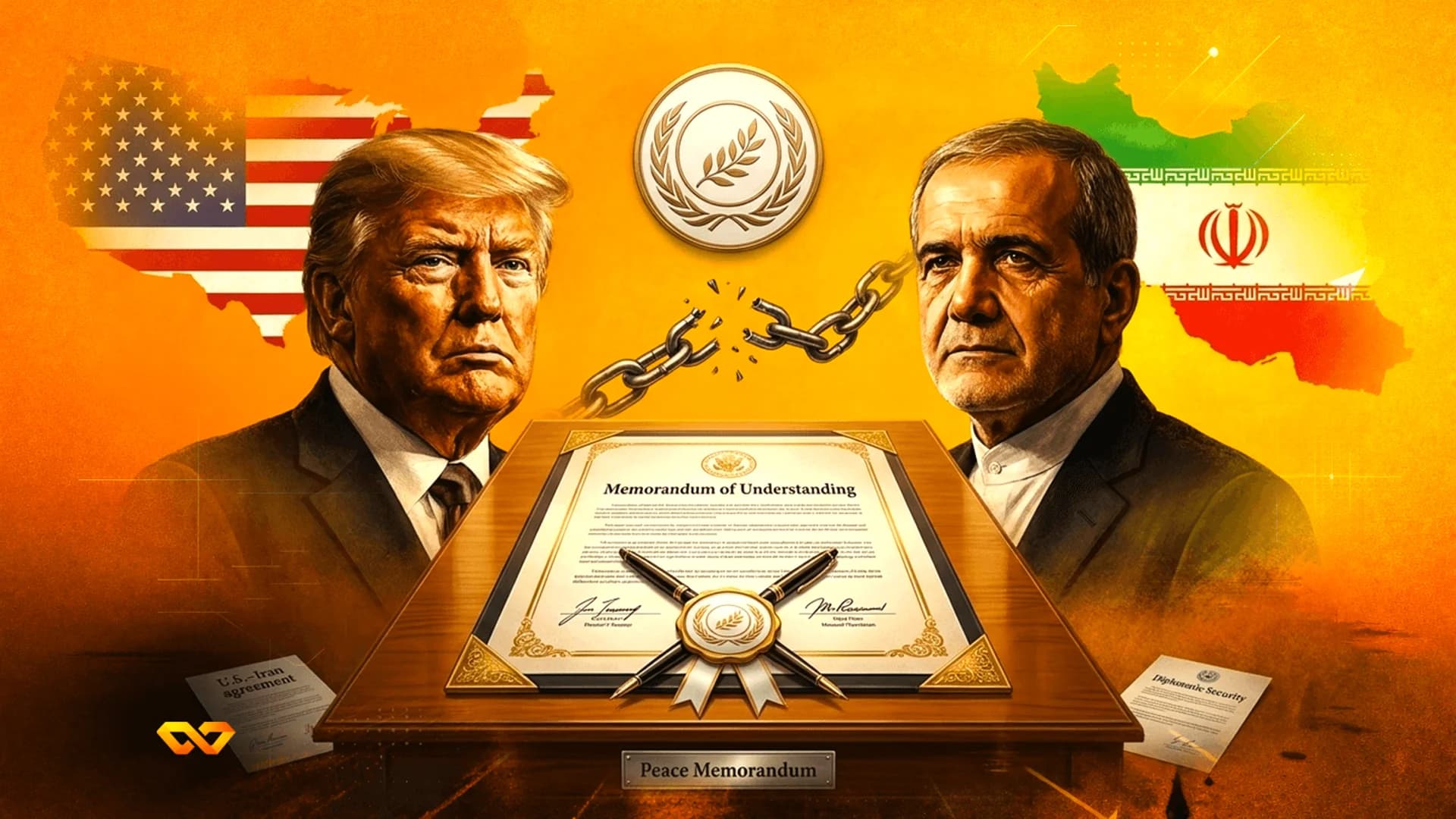
In a historic shift for global geopolitics, U.S. President Donald Trump and the Iranian President officially signed a Memorandum of Understanding on Wednesday with the explicit goal of ending the war between the two nations. This formal signing elevates the previously disclosed 14-point pact into a binding commitment between the heads of state. According to reports, the move marks a definitive end to decades of direct hostility and establishes a new framework for bilateral relations.
This major diplomatic breakthrough is triggering widespread expectations in energy markets, as ending the state of war paves the way for the removal of oil sanctions and the full return of Iranian crude to global markets. Per market data, economic circles are closely watching how the OPEC+ alliance will respond to this potential supply influx, following the OPEC Monthly Report released on June 11, 2026. Analysts suggest that the personal endorsement by both leaders significantly reduces the geopolitical risk premium that has historically supported oil prices.
Looking ahead, investors should monitor global market reactions following the U.S. Producer Price Index (PPI) reading of 1.1% on June 11, 2026. As regional tensions subside, safe-haven assets may face downward pressure, while focus shifts to upcoming Eurogroup meetings. These sessions will be critical for assessing how this newfound regional stability will influence international trade flows and global inflationary trends in the coming days.
Latest Updates · 4
- Notable·
Update: The agreement includes a formal 60-day extension of the ceasefire to ensure stability during the transition period. However, logistical challenges remain, as reports indicate that practical steps must be implemented before normal maritime traffic can be fully restored in the strategic Strait of Hormuz.
- Notable·
Update: The release of the full treaty text has sparked significant diplomatic friction, as U.S. allies expressed anger over terms perceived as granting substantial concessions to Iran. According to reports, this backlash from traditional partners could complicate the implementation phase and reshape regional alliance dynamics in the coming weeks.
- Notable·
Update: The agreement has moved into the implementation phase as ship-tracking data showed an LNG tanker heading toward the Strait of Hormuz in the first maritime test since the MOU signing. This movement follows an agreement between Washington and Tehran to extend the ceasefire and reopen the strait, further bolstering hopes for the stabilization of global energy supply chains.
- Notable·
Update: Diplomatic efforts have reached a formal milestone with the official signing of the ceasefire agreement between the U.S. and Iran, triggering a 2% drop in oil prices. This move reflects an immediate market response to improved supply stability prospects and a reduction in the geopolitical risk premium.