
OPEC Chief Rejects IEA Forecast of 2027 Oil Supply Surplus
Key Facts
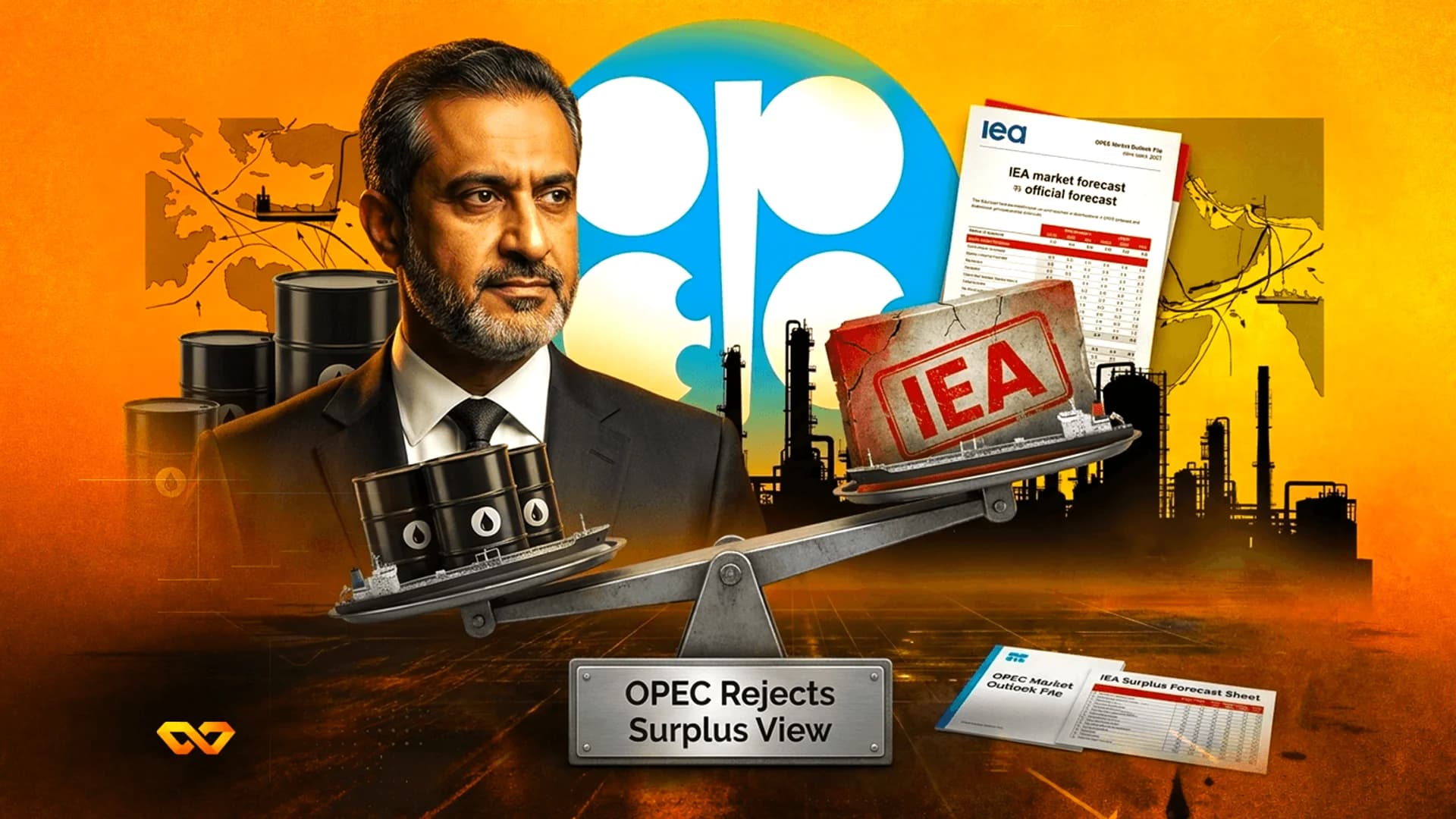
Amid a widening rift in global energy outlooks, OPEC Secretary General Haitham al-Ghais has formally rejected the International Energy Agency's (IEA) forecast of a looming oil supply surplus by 2027. According to reports, al-Ghais characterized the IEA's projections as inaccurate and potentially damaging to long-term market stability and essential sector investments. This pushback follows a recent IEA report suggesting that global production capacity is set to significantly outpace demand growth within the next three years.
The dispute highlights a fundamental disagreement over the timing of peak oil demand, with the IEA suggesting a plateau this decade while OPEC forecasts continued growth driven by emerging economies. Per market data and research from Goldman Sachs, Brent crude is expected to remain supported within a $75-$90 range, contrasting with the more bearish implications of the IEA’s glut narrative. Historically, the gap between OPEC and IEA demand forecasts for 2024 has reached nearly 1 million barrels per day, marking one of the widest discrepancies in years (per Reuters citations).
Looking ahead, market participants are shifting focus toward upcoming OPEC+ ministerial meetings to gauge potential adjustments in production quotas. These fundamental catalysts, combined with ongoing geopolitical rhetoric, are expected to remain the primary drivers of crude oil price volatility in the near term.