
Brent Slumps Below $77 as US-Iran De-escalation Targets Strait of Hormuz
Key Facts
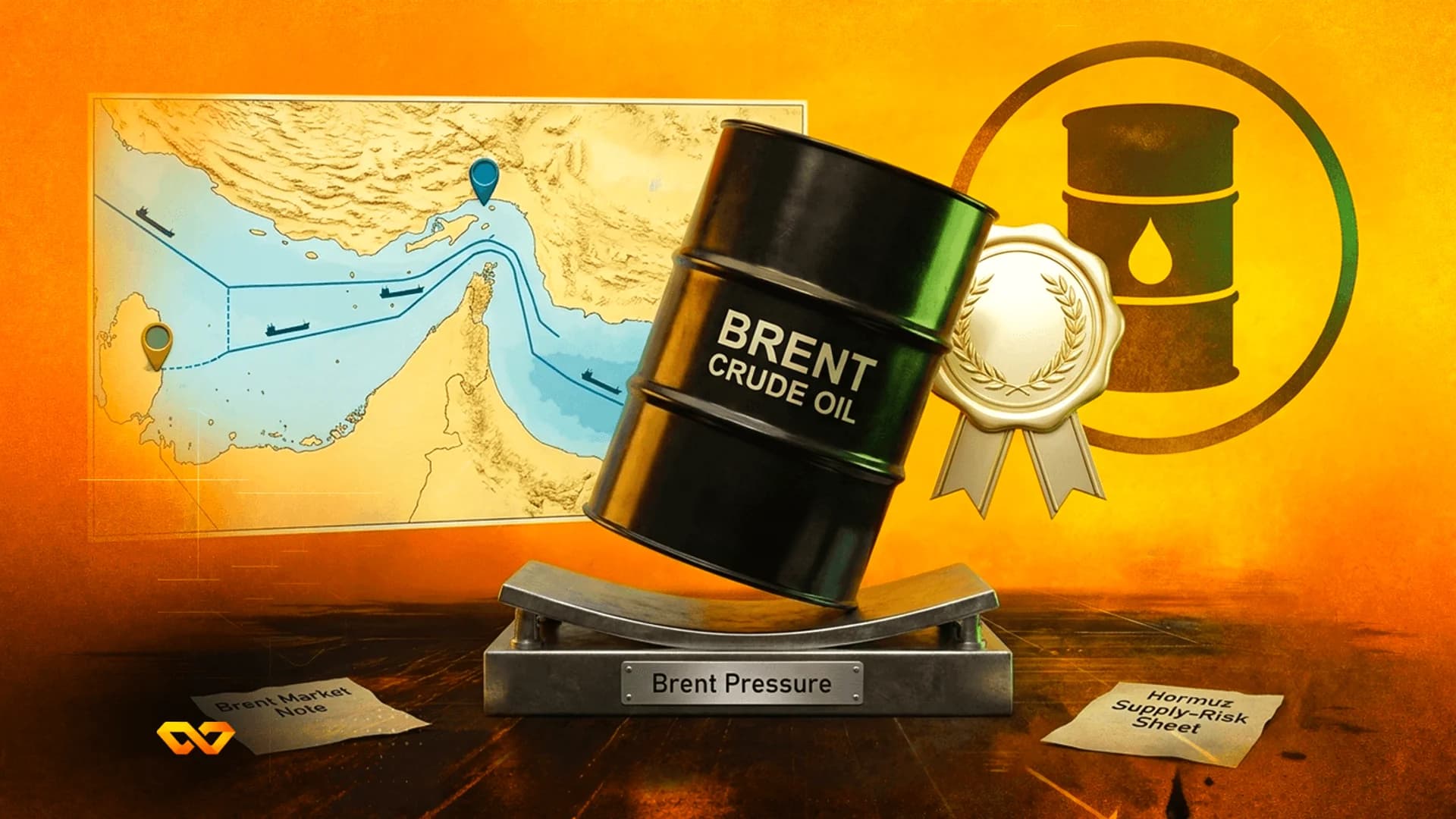
In a dramatic shift for global energy markets, Brent crude has plummeted below the $77 per barrel threshold, reaching its lowest level since the onset of the Middle East conflict. This sharp decline follows the signing of a memorandum of understanding between the United States and Iran aimed at reopening the Strait of Hormuz and initiating a 60-day window for negotiations. According to analyst reports, this breakthrough has effectively neutralized the geopolitical risk premium that previously buoyed prices, shifting market focus toward de-escalation and supply stability.
The price collapse, totaling over 15% in a single week, challenges the resilience previously shown by tanker equities such as Frontline and Scorpio Tankers. While these stocks decoupled from crude's initial slide, the reopening of a vital maritime chokepoint like the Strait of Hormuz may normalize freight rates and reduce war-risk insurance premiums. Per market data, the transition from supply disruption fears to diplomatic engagement typically compresses the 'contango' trade and alters the demand for floating storage, impacting the broader maritime logistics sector.
Investors are now focused on Brent's ability to hold support near $76.80 (close June 14, 2026) as the 60-day negotiation period begins. Key catalysts on the immediate horizon include ECB President Lagarde’s speech on June 15, 2026, and the release of the NY Empire State Manufacturing Index on the same day. These events will provide essential context on whether weakening industrial demand will compound the impact of the geopolitical de-escalation on energy valuations.