
Trump Signs Interim Iran Peace Deal to Reopen Hormuz Amid 4-Week Oil Reserve Warning
Key Facts
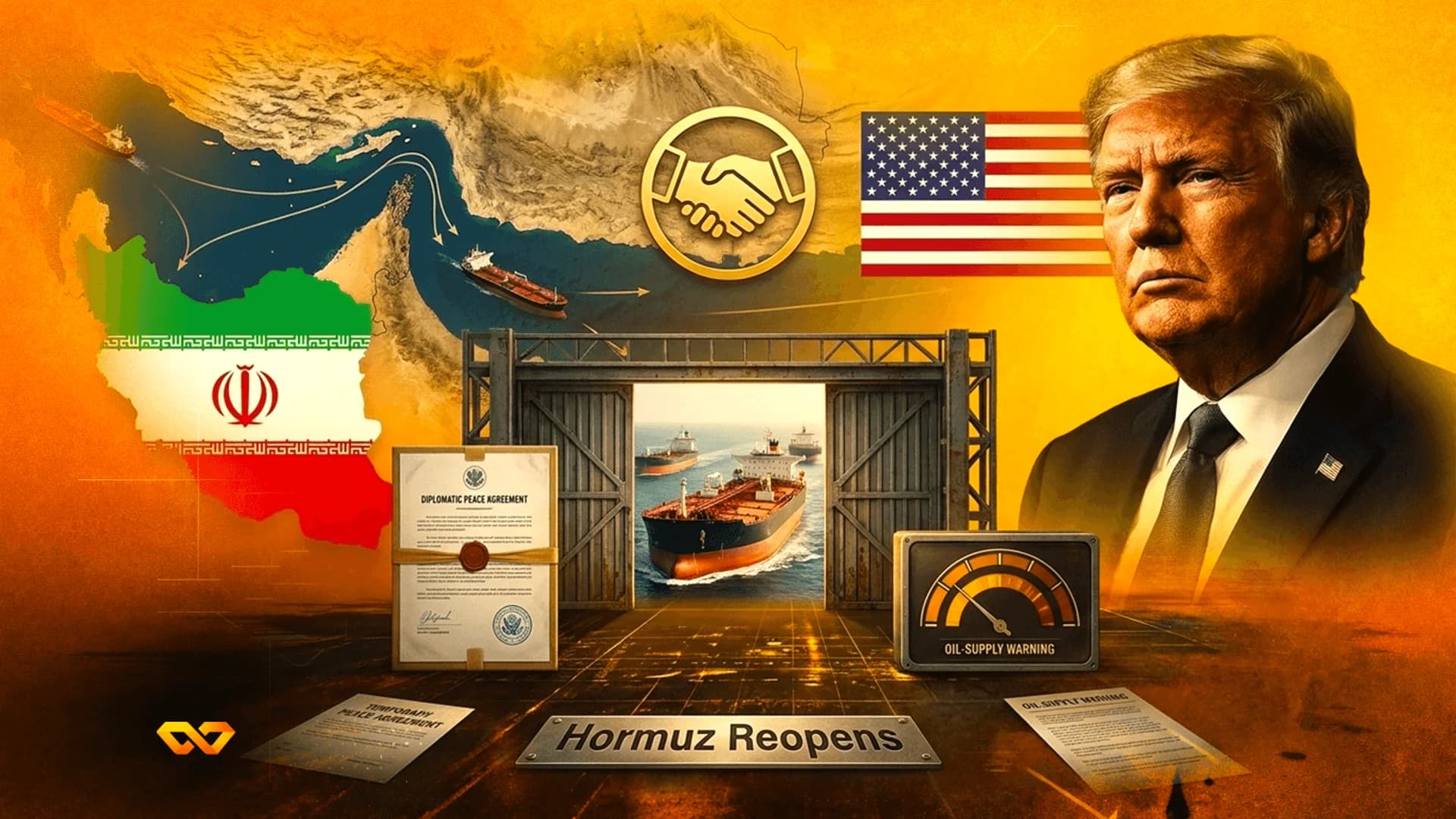
In a dramatic shift for global energy security, President Trump signed an interim peace deal with Iran at the G7 Summit to secure vital oil supply chains. The President warned that global oil reserves could run out within 4 weeks, prompting the urgent signing of a memorandum of understanding to normalize waterway navigation. According to reports, tanker traffic has already begun a gradual resumption through the Strait of Hormuz following the diplomatic breakthrough.
This diplomatic resolution arrives as physical supply constraints reach a critical juncture, with market data showing Cushing, Oklahoma stockpiles falling for the eighth straight week to just above 20 million barrels—the lowest level since October 2014. Brent crude was trading near $79.50 (close June 17, 2026) as the market began pricing in the de-escalation and the potential return of stable Iranian transit to global markets.
Looking ahead, investors are focused on the pace of supply normalization through the Strait of Hormuz and its impact on the global deficit. Key catalysts for the coming week include U.S. retail sales data and upcoming International Energy Agency (IEA) reports, which will be scrutinized to validate the severity of the global reserve depletion mentioned by the U.S. administration.
Latest Updates · 1
- Notable·
Update: New data suggests a potential surge in Iranian supply, with reports estimating that Tehran could generate over $60 billion annually in oil revenue under a fresh deal. This potential financial influx is expected to bolster production capacity, introducing further downward pressure on prices as markets anticipate an increase in global supply levels.